Short Answer
In this comprehensive guide, you will explore the profound concepts of strength and letting go, discovering how surrender can be a powerful tool for personal growth and inner peace. You’ll learn about the symbolic meaning of the “letting go” card, its connection to strength, and practical ways to apply these lessons in daily life. Whether you’re seeking emotional freedom, resilience, or a deeper understanding of surrender, this guide offers valuable insights through articles, imagery, and actionable advice.
The Power of Surrender: Understanding the Letting Go Card
The “letting go” card is more than just a symbol—it represents a transformative journey toward emotional liberation and trust in the universe. Unlike traditional notions of strength that emphasize control and resilience, this card teaches that true power lies in releasing what no longer serves you. Surrender, in this context, is not about weakness but about recognizing when to let go of resistance, fear, and attachment. It’s about trusting that life’s flow will guide you toward greater fulfillment.
In many spiritual and psychological traditions, surrender is seen as a form of strength. It requires courage to face unresolved emotions, past hurts, or unmet expectations and choose peace over control. The letting go card often features imagery of open hands, flowing water, or breaking chains, symbolizing the release of burdens. By embracing this card’s message, you invite clarity, healing, and a renewed sense of purpose into your life.

Strength Through Release: How Letting Go Builds Resilience
Strength is often misconstrued as the ability to endure hardship without faltering. However, the letting go card redefines strength as the capacity to release what weighs you down. When you surrender control over situations or outcomes that are beyond your influence, you conserve energy for what truly matters. This act of release fosters resilience by teaching you to adapt, grow, and find balance amid life’s uncertainties.
Consider the analogy of a river carving its path through stone. The river doesn’t resist the rock; it flows around it, gradually shaping the landscape. Similarly, letting go allows you to navigate challenges with grace rather than force. Studies in psychology support this idea, showing that acceptance and emotional release reduce stress and improve mental well-being. By practicing surrender, you cultivate inner strength that isn’t rooted in struggle but in harmony with life’s natural rhythms.
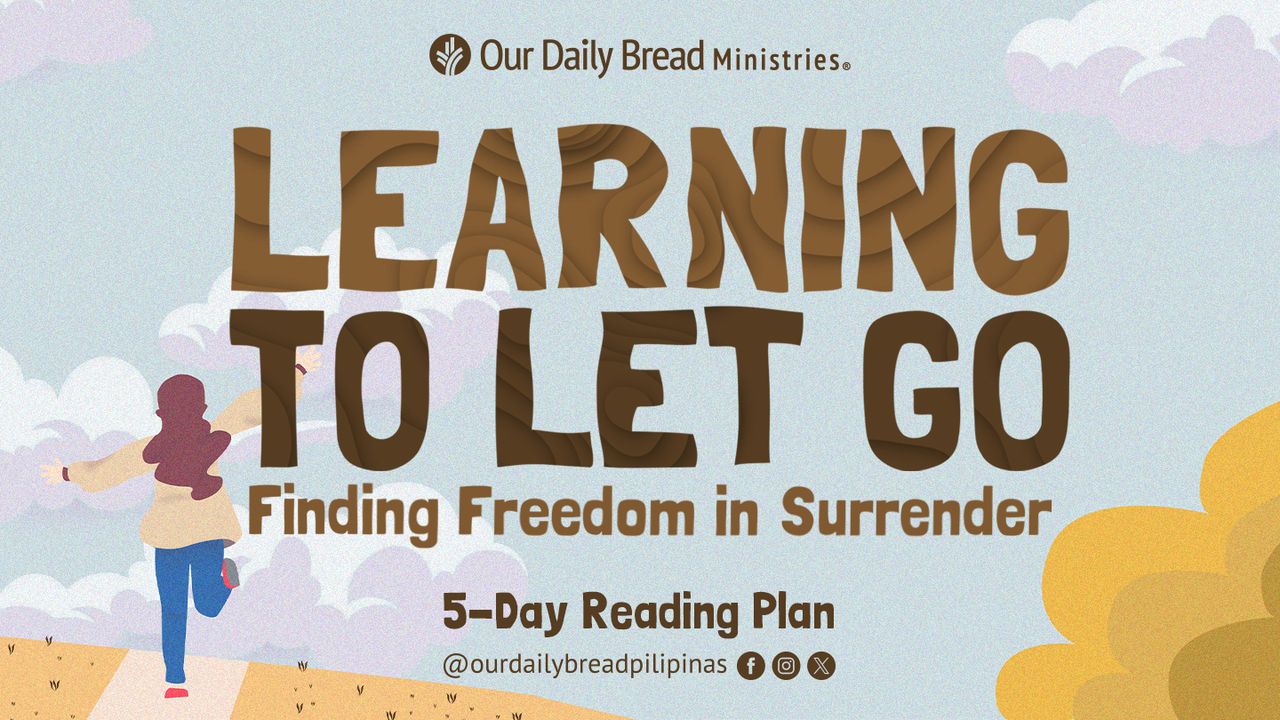
Practical Steps to Embrace Surrender in Daily Life
Incorporating the lessons of the letting go card into your routine doesn’t require drastic changes—small, intentional practices can make a significant difference. Start by identifying areas where you’re holding on tightly, whether it’s a grudge, a toxic relationship, or an unmet goal. Write these down and consciously choose to release them, one by one. Affirmations like “I trust the universe to guide me” or “I release what no longer serves me” can reinforce this mindset.
Mindfulness and meditation are powerful tools for practicing surrender. Set aside time each day to sit in stillness, observing your thoughts without judgment. When worries arise, acknowledge them and let them pass like clouds in the sky. Physical activities like yoga or walking in nature can also help ground you in the present moment, making it easier to let go of mental clutter. Additionally, journaling can be a cathartic way to process emotions and track your progress in embracing surrender.
Another effective strategy is to reframe challenges as opportunities for growth. Instead of resisting obstacles, ask yourself, “What can I learn from this?” This shift in perspective turns surrender into a proactive choice rather than a passive surrender to fate. Over time, you’ll notice a shift in your energy—less drained by resistance and more aligned with your true path.
The Role of Trust in the Surrender Process
At the heart of the letting go card is trust—the belief that the universe (or life, fate, or a higher power) has your best interests at heart. Trusting the process doesn’t mean passively waiting for things to happen; it means having faith in your ability to handle whatever comes your way. This trust is built through self-awareness and experience. Start by reflecting on past instances where letting go led to positive outcomes, no matter how small. These memories serve as evidence that surrender can be a source of strength.
It’s natural to feel fear when surrendering, especially if you’re accustomed to being in control. However, the letting go card reminds you that fear often stems from attachment to specific outcomes. By loosening your grip, you create space for new possibilities to emerge. Trust is also cultivated through self-compassion. Treat yourself with kindness when you struggle to let go, and remember that growth is a journey, not a destination.
Overcoming Common Misconceptions About Surrender
One of the biggest misconceptions about the letting go card is that surrender equates to giving up. In reality, surrender is about acknowledging your limits and choosing peace over perpetual struggle. It’s not about abandoning your goals but about releasing the need to control every step of the journey. Another myth is that surrender requires blind faith without any action. True surrender is an active choice—it involves taking responsibility for your emotions while trusting the process to unfold naturally.
Some people fear that letting go will make them vulnerable or weak. However, vulnerability is a sign of courage, not fragility. When you allow yourself to feel and release emotions, you build emotional resilience. The letting go card teaches that strength isn’t about being unbreakable; it’s about knowing when to bend so you don’t break. By dispelling these misconceptions, you can embrace surrender as a liberating and empowering practice.
Conclusion
The journey of strength and letting go is a transformative path that leads to deeper self-awareness, emotional freedom, and resilience. The letting go card serves as a powerful reminder that true power lies not in control but in surrender. By understanding its symbolism, practicing release in daily life, and cultivating trust, you can harness the profound benefits of this philosophy. Remember, surrender is not a one-time event but a continuous practice—one that invites growth, healing, and a renewed sense of purpose. As you integrate these lessons, you’ll find that letting go isn’t about losing strength; it’s about discovering a different kind of power—one rooted in trust, acceptance, and inner peace.
FAQ
What is the main lesson of the letting go card?
It teaches that true strength comes from surrendering control and releasing what no longer serves you.
How does the letting go card relate to emotional resilience?
By encouraging release of burdens and acceptance, it helps build emotional resilience and mental well-being.
Can practicing surrender help reduce stress?
Yes, psychological studies cited suggest acceptance and emotional release reduce stress and improve mental health.
What are some misconceptions about surrender?
Common misconceptions include equating surrender with giving up or weakness, whereas it actually represents active choice and courage.
How can I incorporate the message of this card into daily life?
Using mindfulness, affirmations, journaling, and reframing challenges can help you embrace surrender practically.

Leave a Reply