
In the realm of divination, Tarot cards, particularly the Major Arcana, embody profound archetypal imagery that traverses ancestral beliefs and personal introspection. From a Christian perspective, the exploration of these symbols can elicit both intrigue and skepticism. Can one reconcile the esoteric nature of the Tarot with Christian doctrines, which typically regard divination with caution? This article delves into the meanings of the Tarot’s Major Arcana while contemplating their relevance and resonance within a Christian framework.
The Major Arcana comprises 22 cards, each representing fundamental life lessons and spiritual paths. These cards are often viewed as a journey, reminiscent of the spiritual voyage outlined in Christian narratives. Thus, the juxtaposition of Tarot and Christianity could be construed as an exploration of the commonalities between unfolding human experiences and scriptural teachings. Let us embark on this examination of each Major Arcana card through a lens that appreciates symbolism while bearing in mind the moral implications inherent in a Christian worldview.
The Fool (0) signifies new beginnings and spontaneity. In Christianity, the value of stepping into the unknown reliant on faith is mirrored in the call to live a life devoted to divine guidance. This card challenges believers to take leaps of faith, much like those depicted in biblical narratives, such as Abraham’s journey into an uncharted land.
The Magician (I), with his mastery over the elements, symbolizes the power of will and manifestation. Christianity posits that believers are endowed with gifts meant to be used for the glorification of God. The Magician prompts a reflection on our responsibilities: how do we harness our abilities to serve a higher purpose?
The High Priestess (II) embodies intuition and the subconscious. In Christian thought, the Holy Spirit is often considered the inner guide, whispering truths to believers. This card invites exploration of the dialogues between the soul and Divine Presence, urging individuals to trust their spiritual insights while remaining anchored in faith.
The Empress (III) represents fertility, abundance, and nurturing. In Christianity, the importance of stewardship over God’s creation aligns with her symbolism. This card can evoke a reflection on how one nurtures both the environment and relationships, guiding followers to contemplate their role as caretakers of God’s gifts.
The Emperor (IV) symbolizes authority and structure. The Christian faith often emphasizes the importance of leadership roles and divine order. By examining the Emperor, believers can reflect on the nature of Christ’s kingship and the balance of authority infused with humility.
The Hierophant (V) offers insight into tradition and spiritual wisdom. Much like established church figures, this card could remind Christians of the importance of preserving doctrine while simultaneously engaging in personal spiritual discovery. How can one honor tradition while still pursuing a personal relationship with the Divine?
The Lovers (VI), perhaps one of the most emblematic cards, explores relationships and choices. In Christianity, the binary of choice resonates with free will. This card compels a contemplation of love that transcends mere romantic involvement, extending to divine love and the interconnectedness of humanity.
The Chariot (VII) symbolizes willpower and victory. In the Christian context, believers are often portrayed as warriors of faith, advancing through challenges with divine assistance. The Chariot urges reflection on the journey towards spiritual triumph amidst life’s trials.
Strength (VIII) depicts inner courage and compassion. This card serves as a reminder that true strength lies not in dominance, but in empathy—a fundamental tenet in Christian teachings. How does one demonstrate strength through kindness in the face of adversity?
The Hermit (IX), representing introspection and solitude, invites believers to seek out their inner truth through prayer and reflection. This card parallels the Christian practice of solitude found in the wilderness, emphasizing the necessity of quiet moments to connect with God.
Wheel of Fortune (X) speaks to the cyclical nature of life and fate. In Christianity, there’s a belief in divine providence, suggesting that every twist and turn ultimately serves a greater narrative. This card provokes contemplation about accepting life’s ebbs and flows as part of a divine plan.
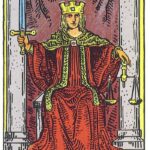
Justice (XI) underscores fairness and accountability. For Christians, the quest for justice aligns with moral imperatives found in scripture. How does one reconcile personal desires with the pursuit of equitable outcomes in the realm of spiritual and practical existence?
The Hanged Man (XII) challenges the notion of sacrifice and surrender. In Christianity, the act of self-denial for the sake of a higher calling is a recurring theme. This card invites believers to ponder the importance of yielding to God’s will, even when it seems counterintuitive.
Death (XIII) symbolizes transformation and endings leading to new beginnings. In Christian life, the theme of resurrection is paramount, reminding believers that death is not an end, but a transition to a new state of existence. How can one embrace change in faith and trust in what lies beyond?
Temperance (XIV) illustrates balance and moderation. This card encapsulates the Christian virtue of temperance, encouraging a life led by harmony rather than excess. Consequently, it poses a question: how can one cultivate balance in their spiritual, emotional, and physical lives?
The Devil (XV) challenges perceptions of temptation and bondage. In Christianity, the struggle against sin is paramount, and this card serves as a reminder to remain vigilant against the distractions of worldly desires. How do you navigate the complexities of life’s allure while staying rooted in faith?
The Tower (XVI) signifies sudden upheaval and revelation. This card can invoke fear, yet within Christian thought, trials often lead to spiritual awakening and deeper faith. This concept invites the inquiry: can one find grace amidst calamity and emerge stronger?
Star (XVII) offers hope and inspiration. In Christianity, hope is an unwavering light in darkness. This card encourages believers to retain faith and look toward the promises that lay ahead. What does it mean to be a beacon of hope for others in your journey?
The Moon (XVIII) embodies illusion and intuition, paralleling the Christian understanding of the unseen realms. This card nudges a deeper exploration of faith, urging individuals to reflect on their spiritual journeys as not solely reliant on empirical evidence.
The Sun (XIX) symbolizes joy and success. In Christian belief, the glory of God shines brightly in the lives of believers, inviting them to emulate this radiance. What does it mean to bask in divine light while sharing that warmth with others?
Finally, The World (XXI) encapsulates completion and unity. The Christian narrative emphasizes the promise of eternal life, akin to the fulfillment depicted here. This card encourages celebratory reflection on the journey, both personal and communal, towards divine wholeness.
In summation, interpreting the Major Arcana of Tarot through a Christian lens can yield profound insights into the intricate layers of human experience and spiritual growth. While discussions around divination often elicit tension, understanding the archetypal meanings and moral considerations can illuminate the intersection of faith and exploration. This journey invites believers to consider how the wisdom of the Tarot may amplify their understanding of God’s presence in their lives, posing not just a challenge but an opportunity for deeper faith. What lies ahead in the quest for knowledge and better understanding of oneself and the Divine?




Leave a Comment