Short Answer
Tarot cards are more than just tools for divination—they are gateways to storytelling. Each card in the deck carries its own narrative, symbolism, and emotional resonance, allowing readers to craft compelling tales that reflect life’s complexities. Whether you’re a seasoned tarot enthusiast or a curious beginner, understanding the story behind each card can unlock deeper insights into your readings and personal growth. In this guide, you’ll explore how tarot cards weave narratives, the significance of their imagery, and how to interpret them in a way that feels both intuitive and meaningful. By the end, you’ll see how every card truly tells a tale.
Why Tarot Cards Tell Stories
Tarot cards are designed to evoke emotions and spark imagination. The imagery on each card—whether it’s the serene figure of The High Priestess or the dramatic scene of The Tower—is crafted to resonate with universal human experiences. These visuals act as metaphors, allowing the reader to connect with the card’s message on a personal level. For example, The Fool card often represents new beginnings, but its depiction of a carefree traveler stepping off a cliff also symbolizes trust in the unknown. This duality of imagery and symbolism is what makes tarot such a powerful storytelling tool. By interpreting these elements, you can uncover hidden layers of meaning in your readings.
The Role of Archetypes in Tarot Narratives
Many tarot cards are rooted in archetypal figures and themes that appear across cultures and mythologies. The Major Arcana, in particular, follows a journey that mirrors the hero’s quest, with cards like The Magician representing skill and resourcefulness, and The Empress embodying nurturing abundance. These archetypes serve as a framework for understanding the stages of life, from innocence (The Fool) to enlightenment (The World). By recognizing these patterns, you can see how tarot cards function as a visual language for personal and collective stories. This archetypal approach also explains why certain cards resonate so deeply with people—they tap into timeless human experiences.

Interpreting Minor Arcana: The Building Blocks of Stories
The Minor Arcana consists of four suits—Swords, Cups, Wands, and Pentacles—each representing different aspects of life. These suits act as chapters in a larger narrative, with each card contributing to the overall story. For instance, the Cups suit often relates to emotions and relationships, while Swords deal with intellect and conflict. A card like The Three of Cups might tell a story of celebration and friendship, while The Five of Swords could hint at tension or betrayal. By understanding the themes of each suit, you can weave a richer tapestry of meaning in your readings. The Minor Arcana cards also interact with the Major Arcana, creating a dynamic interplay that reflects the complexities of real-life stories.
Creating Personal Narratives with Tarot
One of the most fascinating aspects of tarot is its ability to reflect personal experiences. Unlike fixed interpretations, tarot allows for flexibility, enabling you to craft stories that are uniquely yours. For example, if you draw The Chariot, you might interpret it as a story of determination and victory, or you might see it as a reminder to balance opposing forces in your life. The key is to let the imagery and your intuition guide you. Journaling your readings can help you track recurring themes and deepen your understanding of how tarot stories unfold in your life. Over time, you’ll develop a personal lexicon of symbols that resonate with your journey.
The Power of Card Combinations in Storytelling
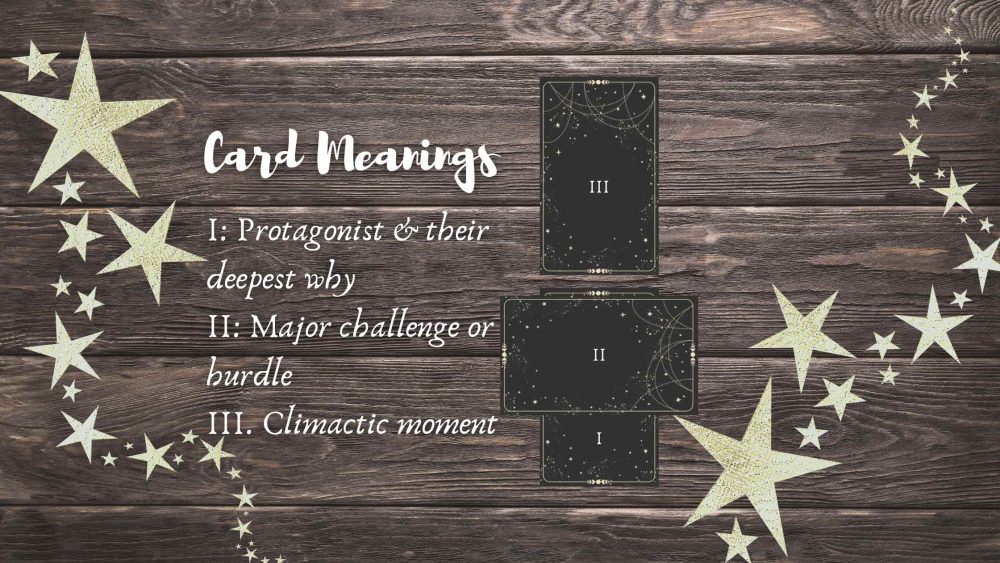
Reading tarot isn’t just about individual cards—it’s about how they interact with one another. A single card can take on new meaning when paired with another. For example, The Lovers followed by The Hermit might suggest a story of love leading to solitude and self-discovery. Conversely, The Tower followed by The Star could indicate a period of upheaval followed by hope and renewal. Learning to interpret these combinations allows you to create richer, more nuanced narratives in your readings. Practice by pulling two or three cards and weaving them into a cohesive story. This exercise not only sharpens your interpretive skills but also deepens your connection to the tarot’s storytelling potential.
Using Tarot for Self-Reflection and Growth
Beyond divination, tarot is a powerful tool for self-reflection. By framing your life as a story, you can identify patterns, challenges, and opportunities more clearly. For instance, if you frequently draw The Eight of Pentacles, it might be a sign to focus on skill-building or perseverance. Tarot can also help you explore your subconscious, revealing hidden desires or fears through symbolic imagery. To use tarot for growth, approach your readings with an open mind and a willingness to explore the deeper messages. Ask questions that invite introspection, such as “What story is unfolding in my life right now?” or “What lesson can I learn from this card?”
Common Misconceptions About Tarot Stories
Despite its popularity, tarot is often misunderstood. One common misconception is that tarot cards predict the future with absolute certainty. In reality, tarot is a tool for reflection and guidance, offering insights that can help you navigate life’s uncertainties. Another myth is that tarot readings are solely about luck or fate. On the contrary, tarot empowers you to take control of your narrative by highlighting choices and potential outcomes. By dispelling these misconceptions, you can approach tarot with a clearer, more open perspective, allowing its stories to resonate more deeply.
Conclusion
Tarot cards are more than static symbols—they are living stories waiting to be told. From the archetypal journeys of the Major Arcana to the everyday themes of the Minor Arcana, each card offers a unique perspective on life’s unfolding narrative. By learning to interpret these stories, you gain not only a deeper understanding of the tarot but also a powerful tool for self-discovery and personal growth. Whether you use tarot for divination, creativity, or introspection, remember that the true magic lies in the stories you create. So, shuffle your deck, draw a card, and let the tale begin.
FAQ
What does it mean when tarot cards tell a story?
Tarot cards convey stories through their imagery and symbolism, reflecting personal experiences and universal archetypes that help interpret life situations and emotions.
How do Major and Minor Arcana cards differ in tarot storytelling?
Major Arcana cards represent archetypal life stages and universal themes, while Minor Arcana cards illustrate everyday situations and emotional nuances through their four suits.
Can tarot cards be interpreted differently by each reader?
Yes, tarot encourages personal interpretation, allowing readers to use intuition and context to craft unique narratives that resonate with their individual experiences.
Does tarot predict the future with certainty?
No, tarot is a tool for guidance and reflection, offering insights into potential outcomes rather than absolute predictions.
Leave a Reply