Short Answer
Welcome to your ultimate guide to mastering tarot card meanings! Whether you’re a curious beginner or a seasoned reader looking to refine your skills, this guide will equip you with everything you need to interpret tarot cards with confidence and insight. You’ll discover the symbolism behind each card, learn how to pose meaningful questions, and even tackle common challenges that arise during readings. By the end, you’ll be ready to unlock the wisdom of the tarot and apply it to your life’s journey.
Why This Guide Stands Out
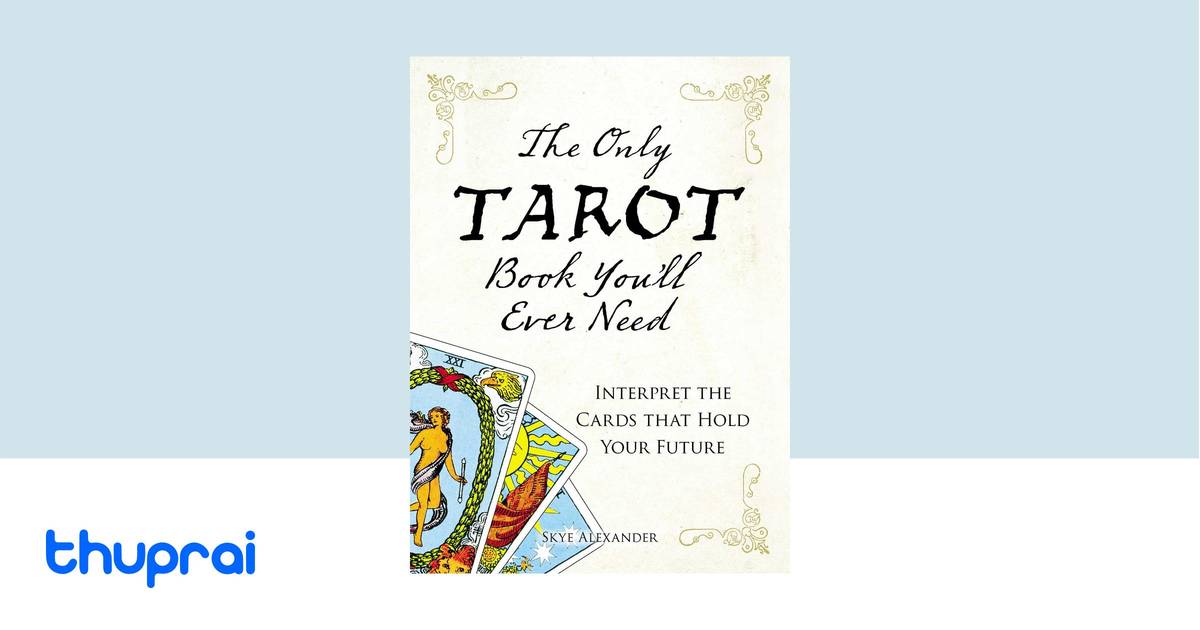
Unlike generic tarot books, this guide is designed to be your go-to resource for deep, intuitive understanding. It doesn’t just list card meanings—it teaches you how to weave those meanings into a cohesive narrative. You’ll explore the Major and Minor Arcana, uncover the hidden layers of each card, and learn how to interpret reversals (upside-down cards) without getting stuck in rigid interpretations. The guide also emphasizes the importance of context, helping you tailor your readings to specific situations, whether it’s love, career, or personal growth.
Posing the Right Questions: The Foundation of a Powerful Reading
One of the most critical skills in tarot is asking the right questions. A vague or closed-ended question can lead to unclear answers, while a well-crafted one can open doors to profound insights. Start by framing questions that invite exploration rather than simple yes/no responses. For example, instead of asking, “Will I get the job?” try, “What do I need to know about my job search right now?” This shift encourages the cards to reveal deeper layers of guidance.
Challenge yourself to avoid leading questions that impose your expectations on the reading. Phrases like “Why isn’t my love life working out?” can unintentionally steer the cards toward negativity. Instead, opt for open-ended inquiries like, “What energy should I focus on to improve my relationships?” This approach fosters a more balanced and constructive reading.
Decoding the Major Arcana: The Big Picture of Your Journey
The Major Arcana consists of 22 cards, each representing a significant life lesson or spiritual milestone. These cards often appear as major influences in a reading, signaling pivotal moments or karmic themes. For instance, The Fool embodies new beginnings and spontaneity, while Death (despite its ominous name) signifies transformation and rebirth. Understanding these cards helps you recognize the overarching narrative of your life or the querent’s situation.
To deepen your connection with the Major Arcana, study the imagery and symbolism in each card. Notice the colors, animals, and objects—they all carry meaning. For example, The High Priestess often features a crescent moon, symbolizing intuition and hidden knowledge, while The Tower depicts a sudden upheaval, representing chaos that leads to necessary change. Practice pulling one Major Arcana card daily and journal about its relevance to your current life circumstances.
Navigating the Minor Arcana: The Details That Matter
The Minor Arcana consists of 56 cards divided into four suits: Wands, Cups, Swords, and Pentacles. Each suit corresponds to an element (fire, water, air, earth) and governs different aspects of life. Wands relate to creativity and passion, Cups to emotions and relationships, Swords to intellect and conflict, and Pentacles to material wealth and practicality. Mastering these suits allows you to pinpoint specific areas of focus in a reading.
A common challenge is interpreting court cards (Page, Knight, Queen, King) within the Minor Arcana. These cards often represent people or personality traits. For example, the Queen of Cups might symbolize a compassionate, intuitive woman in your life, while the Knight of Swords could indicate someone who acts impulsively or with determination. Pay attention to the card’s position in a spread—whether it’s in the past, present, or future—to clarify its message.
Reversals: Embracing the Upside-Down Energy
Reversed cards (those appearing upside-down) can be intimidating, but they offer valuable insights into blocked energy or internal struggles. A reversed card doesn’t always mean a negative outcome; instead, it highlights areas needing attention or growth. For instance, the Three of Cups reversed might suggest unresolved tension in social circles, while the Ten of Pentacles reversed could indicate financial instability or family discord.
To work with reversals effectively, ask yourself: What is this card trying to tell me about the energy that’s not flowing smoothly? Is there a lesson here about patience, self-reflection, or releasing old patterns? Avoid the temptation to see reversals as purely bad omens—view them as opportunities to course-correct and realign with your highest good.
Common Challenges and How to Overcome Them
Even experienced tarot readers encounter hurdles. One frequent challenge is over-reliance on guidebooks, which can stifle your intuitive connection to the cards. To combat this, try pulling a card and writing down your first impressions before checking its traditional meaning. Trust your gut—your subconscious often picks up on subtle cues the guidebook might miss.
Another obstacle is feeling overwhelmed by card combinations. When multiple cards appear in a spread, focus on the dominant themes first. For example, if you draw the Lovers and Eight of Cups, the narrative might revolve around choices in relationships and the courage to walk away when necessary. Use your intuition to guide the interpretation rather than forcing a rigid structure.
Practical Tips for Daily Tarot Practice
Consistency is key to deepening your tarot skills. Start with a simple daily pull—one card to set the tone for your day. Ask a broad question like, “What energy should I embrace today?” Record your interpretations in a journal, noting any synchronicities or intuitive hits that arise. Over time, you’ll notice patterns and develop a personal relationship with the deck.
For more advanced practice, try three-card spreads to explore past-present-future dynamics or situation-action-outcome scenarios. Experiment with different decks to see which resonates with your energy. Some readers prefer traditional Rider-Waite imagery, while others connect with modern or abstract designs. The right deck will feel like an extension of your intuition.
Conclusion
Tarot is a powerful tool for self-discovery, guidance, and transformation. By mastering the art of posing meaningful questions, understanding the Major and Minor Arcana, and embracing the nuances of reversals, you’ll unlock a deeper connection to the cards. Remember, tarot is not about predicting the future with absolute certainty—it’s about gaining clarity, confronting challenges, and aligning with your highest path.
As you continue your journey, stay open to the messages the cards offer, even when they challenge your perceptions. The more you practice, the more intuitive and insightful your readings will become. Whether you’re seeking answers about love, career, or personal growth, this guide will serve as your trusted companion, helping you navigate life’s twists and turns with wisdom and confidence.
FAQ
What is the difference between Major and Minor Arcana cards?
The Major Arcana cards represent significant life lessons and spiritual milestones, while the Minor Arcana cards focus on everyday events and detailed aspects of life, divided into four suits.
How do reversed tarot cards affect a reading?
Reversed cards indicate blocked or internalized energy, signaling areas that need attention or growth rather than purely negative outcomes.
Why is asking the right questions important in tarot reading?
Well-crafted, open-ended questions help generate deeper insights and avoid vague or biased answers during a tarot reading.
Can beginners use this guide to learn tarot effectively?
Yes, the guide is designed for both beginners and experienced readers to develop intuitive and confident tarot reading skills.
Leave a Reply