

The enigmatic nature of tarot cards evokes a kaleidoscope of interpretations, transcending cultures and epochs. Among these cards, the V Tarot card, commonly known as The Hierophant, emerges as a compelling figure, particularly when examined through the prism of Christian theology. In this context, The Hierophant symbolizes a bridge between the divine and the earthly, embodying the essence of tradition, guidance, and spiritual wisdom.
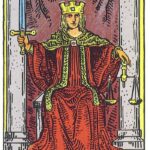
The Hierophant is often depicted as a religious figure—perhaps a priest or a pope—sitting majestically between two pillars that represent duality and the balance of forces. This visual representation invokes the essence of a spiritual leader, rooted in tradition yet striving to convey a deeper understanding of the divine. In Christianity, this character reflects the profound role of clerical authority, serving not only as a mediator of religious doctrine but also as a beacon of moral guidance.
One of the most intriguing aspects of The Hierophant is its embodiment of structured spirituality. Christian doctrine is steeped in historical narratives and theological constructs that guide the faithful. The Hierophant stands as a symbol of that very structure, illustrating the importance of harnessing collective wisdom within congregational settings. Just as a well-tended garden thrives under the care of a skilled gardener, a community flourishing in faith thrives under the auspices of spiritual guidance.
This card serves to remind believers of the significance of learning, tradition, and the shared rituals that connect individuals with a divine presence. It underscores the belief that faith is not merely an individual pursuit, but a communal tapestry woven through shared experiences, prayers, and teachings. Learning is often entwined with humility, and The Hierophant invites seekers to approach their spiritual journey with open hearts and receptive minds.
In terms of moral authority, The Hierophant encapsulates the Christian ideal of mentorship. This card reminds us of the importance of striving for moral integrity and wisdom, akin to the way Christ himself embodied the teachings that guided his followers. The underlying message is clear: one’s faith journey is often fraught with challenges, and it is through the mentorship of the wise—those who have traversed similar paths—that enlightenment can be attained.
Moreover, The Hierophant emphasizes the importance of doctrine and adherence to spiritual laws. In Christianity, this aligns with the sacrosanct scriptures and the tenets espoused by church institutions through the centuries. The Hierophant’s presence reassures believers that there exists a framework of understanding that transcends human experience. It engenders a sense of security and trust, vital in a world characterized by tumult and uncertainty.
However, there exists a nuanced interplay between traditional authority and personal revelation. While The Hierophant calls for respect towards established teachings, it simultaneously urges believers to seek personal discernment. Much like a wise elder guiding a youth, the card illustrates the dichotomy between following established paths and forging one’s own. It highlights the need for balance—stepping into the depths of scripture while fostering an authentic relationship with the divine.
The Hierophant also fosters an appreciation for ritual, which is a cornerstone of many Christian practices. From baptism to communion, rituals serve as vital connectors between the material world and spiritual truths. They encapsulate a divine narrative that is re-enacted, allowing individuals to immerse themselves in a sacred history. This aspect of The Hierophant encourages believers to engage in these rituals not merely for the sake of conformity, but as avenues for genuine spiritual transformation.
Interestingly, this card does not shy away from the complexities of external authority and inner spirituality. The Hierophant invites contemplation about the relationship between the two. As church leaders delineate the moral boundaries of the faith, individuals are implored to ponder their alignment with such doctrine. Are the teachings offering the solace they promise, or do they engender a sense of dissonance? This card beckons earnest reflection, transcending mere acceptance of authority.
Additionally, the role of The Hierophant transcends the temporal limits of church governance. It touches upon the notion of spiritual inheritance—an idea that resonates deeply within the Christian mystique. Every generation inherits wisdom from the past, akin to a relay of light illuminating the pathway of faith. This card encapsulates the responsibility to both preserve and pass on that light, advocating for a continuity of faith that shapes future generations.
In summation, The Hierophant as a V Tarot card embodies a wealth of meanings as viewed through a Christian lens. It serves as a reminder of the structure, mentorship, and tradition that underpin the faith while simultaneously inviting personal exploration and discernment. As believers navigate their spiritual landscapes, this card emerges as a both a guiding light and a challenge—a call to embrace the fullness of their faith while being wary of dogmatic confines.
Ultimately, The Hierophant stands as an emblem of the delicate balance between the wisdom of tradition and the illumination of personal revelation. In its duality lies a wealth of intrigue and profound depth, encouraging engagement with Christianity’s rich tapestries while fostering an enduring dialogue between the past and the ever-evolving present.




Leave a Comment