
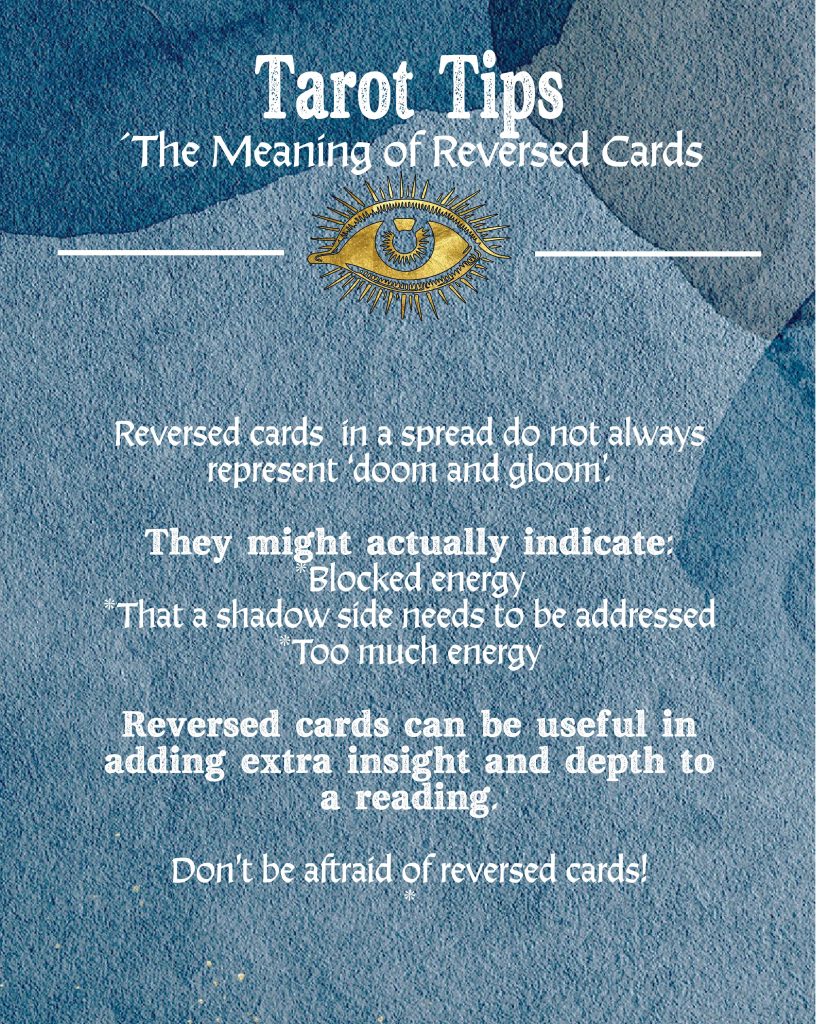
Tarot cards have long been subjects of intrigue, evoking a mélange of fascination and skepticism, especially among those with Christian convictions. While traditional tarot enthusiasts often embrace the symbolism of both upright and reversed cards, a reversed tarot card carries a unique connotation that can be perplexing from a Christian perspective. This exploration aims to elucidate the meaning of reversed cards, highlighting a transformative shift in perspective, while inviting curiosity into the nuanced dialogue between tarot symbolism and Christian beliefs.
To begin, it is essential to grasp the foundational aspect of tarot reading. Tarot cards are not merely tools for fortune-telling; instead, they are regarded as instruments for introspection and personal growth. Within this framework, a reversal—when a card appears upside down—often signifies an inversion of meaning. For many practitioners, this reversal presents a profound opportunity to explore shadow aspects of one’s psyche, a notion that may provoke contemplation among Christians who typically engage with themes of light and darkness in a moral context.
At its core, a reversed tarot card prompts individuals to scrutinize their internal landscape. For example, the upright Seven of Swords represents strategy and resourcefulness, suggesting cunning and intelligence. However, when reversed, it may indicate dishonesty or self-deception. From a Christian viewpoint, this could resonate with the biblical adage of “the heart is deceitful above all things,” emphasizing the necessity of self-reflection and honesty before God.
This notion of inversion carries deeper theological implications. Reversed cards may serve as a reminder of human fallibility and the struggle to maintain moral integrity. They challenge observers to confront their transgressions and shortcomings, evoking the call to repentance central to Christian teachings. A reversal, thus, can embody the tension between sin and redemption, urging individuals to acknowledge their failings while steadfast in the belief of divine mercy.
Moreover, the concept of duality encapsulated in reversed tarot cards can parallel the Christian belief in the battle between good and evil. Each card, whether upright or reversed, possesses the potential to illuminate both constructive and destructive forces within oneself. For instance, the Reversed Tower card, which might signify chaos and the collapse of established beliefs, correlates with the concept of spiritual awakening—a necessary upheaval before divine renewal can occur. This resonates profoundly in Christian doctrine, where destruction is often a precursor to divine intervention and restoration.
A fascinating aspect of reversed tarot cards stems from their ability to reflect deeper existential dilemmas. The Reversed High Priestess, symbolizing intuition and inner wisdom, may challenge an individual to confront ignorance or superficial understanding. This notion aligns with the Christian quest for divine truth, urging believers to dig deeper into their understanding of faith and spirituality. Blessed are those who seek—the scriptures implore believers to pursue knowledge earnestly, transforming the mere act of contemplation into a spiritual journey.
Furthermore, reversed cards can evoke questions about communication and misinterpretation. The Reversed Page of Cups, for instance, can signify emotional immaturity or insensitivity. In familial and communal contexts, this resonates with the Christian imperative of fostering love and understanding among one another. Miscommunication can lead to fractious relationships, urging believers to cultivate compassion and empathy. Here, the upside-down card becomes a catalyst for reconciliation and healing.
As one delves deeper into the implications of reversed tarot cards, the conversation naturally drifts towards the idea of personal agency. The Reversed Lovers card may indicate disharmony or difficult choices within relationships. When juxtaposed with Christian nuances, it encourages reflection on the sanctity of love and partnerships. Believers are called to engage in honest dialogue, promoting unity and understanding, thus transforming challenges into opportunities for growth.
It is also worth contemplating the overarching narrative of spiritual journeying. Reversed cards symbolize the valleys of doubt and despair that often accompany personal and spiritual growth. The Reversed Six of Swords, representing transition and movement, may signal stagnation or struggle during a transformative period. Yet, it serves as a gentle reminder of the biblical truth that trials yield perseverance, and perseverance ultimately leads to hope. A reversed tarot card, then, becomes an emblematic representation of the Christian reality: faith tested is faith deepened.
In summation, the exploration of reversed tarot cards from a Christian perspective underscores a complex interplay of symbolism, belief, and introspection. These cards serve not only as provocations for self-examination but also as reflections on the human condition—a journey of light and shadow, sin and redemption, doubts and renewal. By embracing the lessons imparted through reversed cards, believers can unlock profound insights into their spiritual lives, fostering deeper connections with God, others, and themselves.
Ultimately, approaching reversed tarot cards with an open mind invites one to reevaluate preconceived notions and engage in a conversation that bridges disparate worlds, promising a shift in perspective that is both illuminating and transformative.





Leave a Comment