Short Answer
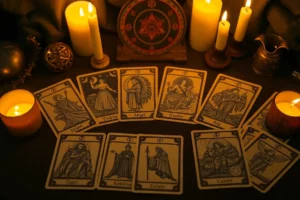
Have you ever drawn a tarot card only to find it facing the wrong way? At first glance, an upside-down tarot card may seem like a mistake—but in the world of divination, it carries deep symbolic meaning. Whether you’re a seasoned reader or a curious beginner, understanding the significance of reversed or upside-down tarot cards can unlock layers of insight that upright cards simply cannot reveal. In this guide, we’ll explore what it truly means when tarot cards appear upside down, how to interpret their messages, and why they add a fascinating twist to your readings. You’ll learn how to embrace the unexpected, decode hidden truths, and even turn perceived obstacles into opportunities for growth. By the end, you’ll see upside-down tarot cards not as errors, but as powerful guides whispering secrets from the universe.
The Mystery Behind Upside-Down Tarot Cards: More Than Meets the Eye
At first glance, an upside-down tarot card might seem like a simple mistake—perhaps the deck wasn’t shuffled properly or the card was flipped by accident. But in tarot, nothing happens by chance. An upside-down card, often called a “reversed” card, is believed to carry a different energy and message than its upright counterpart. While upright cards represent straightforward interpretations of a situation, reversed cards often highlight internal struggles, hidden influences, or areas that require deeper reflection.
Think of it like a book written in mirror text—it’s still the same story, but the perspective is flipped. The symbols remain, yet their meaning shifts, revealing layers that might otherwise go unnoticed. This duality is what makes tarot so intriguing: it doesn’t just show you what is, but also what could be, what’s beneath the surface, and what’s waiting to be transformed.
For example, the upright Three of Cups celebrates joy, friendship, and celebration, while the reversed version might suggest gossip, overindulgence, or a lack of genuine connection. The card hasn’t changed—its story has simply been turned on its head, inviting you to look closer and ask: What’s really going on here?
Upright vs. Reversed: The Dual Language of Tarot
Tarot speaks in a language of symbols, and like any language, it has its nuances. Upright cards are like direct statements—clear, confident, and aligned with the card’s traditional meaning. Reversed cards, on the other hand, act as whispers, hints, or even warnings, urging you to pay attention to what’s not being said outright.
Consider the Death card, one of the most misunderstood in the deck. Upright, it symbolizes transformation, endings, and rebirth. Reversed, it might indicate resistance to change, fear of loss, or stagnation. The card’s core message remains, but its reversed position forces you to confront the discomfort of growth. This duality is what makes tarot a mirror to the soul—it doesn’t just reflect your current state but also the shadows and light within it.
Some readers avoid reversed cards entirely, preferring to focus only on the upright meanings. While this approach simplifies readings, it also strips away the depth and complexity that tarot offers. Reversed cards are like the plot twists in a story—they challenge you, surprise you, and often lead to the most profound revelations. By learning to interpret them, you open the door to a richer, more nuanced understanding of your journey.
Common Misconceptions About Upside-Down Tarot Cards
One of the biggest myths about reversed tarot cards is that they always indicate negativity. While it’s true that some reversed cards can point to challenges or blockages, they’re not inherently “bad.” Instead, they often serve as wake-up calls, highlighting areas where you might be holding yourself back, ignoring intuition, or avoiding necessary change.
Another misconception is that reversed cards are less important than upright ones. In reality, they can be just as powerful—if not more so—because they force you to dig deeper. For instance, the upright Five of Pentacles might show financial struggle, but reversed, it could suggest recovery, resilience, or finding unexpected support. The card’s message shifts, but its core truth remains: even in hardship, there is hope.
Some people also believe that reversed cards only appear when the reader is inexperienced or careless. However, even seasoned tarot masters encounter reversed cards, as they’re a natural part of the divination process. The key isn’t to fear them but to embrace their wisdom, using them as tools to navigate life’s complexities with greater clarity.
How to Read Upside-Down Tarot Cards: Techniques and Tips
Reading reversed tarot cards requires a blend of intuition and structure. Here are some effective techniques to help you interpret them with confidence:
1. Intuitive Approach: Trust Your Gut
If you’re new to tarot, start by trusting your instincts. When a card appears upside down, take a moment to observe how it makes you feel. Does it evoke unease, curiosity, or a sense of urgency? Your emotional response can be a powerful guide to its meaning. For example, if the Ten of Swords reversed feels heavy or draining, it might suggest that you’re prolonging a painful situation instead of moving forward.
2. Shadow Work: Explore the Hidden Layers
Reversed cards often point to aspects of yourself or your situation that you’ve overlooked. Use them as a starting point for shadow work—delving into the subconscious to uncover repressed emotions, fears, or untapped potential. The Hermit reversed, for instance, might indicate isolation not out of wisdom, but out of avoidance or loneliness. By acknowledging these shadows, you can begin to heal and grow.
3. Card Combinations: Context is Everything
A single reversed card can have multiple meanings, but its true significance often emerges when read in combination with other cards. For example, the Lovers reversed next to the Two of Cups might suggest disharmony in a relationship, while the same card near the Tower could indicate a sudden, painful breakup. Always consider the surrounding cards to paint a fuller picture.
4. Reversed vs. Blocked Energy
Some readers distinguish between reversed cards and “blocked” energy. A reversed card implies that the card’s energy is inverted, while a blocked card suggests that the energy is stifled or unable to flow. For instance, the Chariot reversed might indicate a lack of direction, while the Chariot blocked could mean you’re forcing a path that isn’t right for you. Pay attention to the subtle differences in how the cards present themselves.
5. Journaling: Track Your Insights
Keeping a tarot journal can help you recognize patterns in reversed cards and deepen your understanding over time. Note the card, its position, your initial reaction, and the outcome of the reading. Over months or years, you’ll start to see how reversed cards reflect your personal journey, offering clues about recurring themes in your life.
Famous Reversed Cards and Their Hidden Messages
Some reversed cards have become iconic for the depth of their meaning. Here are a few standout examples:
The Tower Reversed: Avoiding the Inevitable
Upright, the Tower represents sudden upheaval, revelation, and necessary destruction. Reversed, it often signals that you’re resisting the inevitable—a truth you don’t want to face, a change you’re delaying, or a breakdown that’s long overdue. Instead of waiting for life to force the issue, the reversed Tower urges you to confront what’s coming head-on, even if it’s uncomfortable.
The High Priestess Reversed: Ignoring Intuition
The High Priestess is the guardian of hidden knowledge and intuition. When reversed, she might appear when you’re dismissing your gut feelings, overanalyzing decisions, or ignoring the subtle signs around you. Her message is clear: trust yourself. The answers you seek aren’t always in logic—they’re in the whispers of your soul.
The Devil Reversed: Breaking Free from Chains
Upright, the Devil represents bondage, toxic attachments, or unhealthy patterns. Reversed, it’s a sign that you’re ready to break free—but the chains might still feel tight. This card often appears when you’re on the cusp of liberation, whether from a bad habit, a toxic relationship, or self-sabotaging behaviors. The reversed Devil is a call to action: you have the power to walk away.
Embracing the Upside-Down: Why Reversed Cards Are Your Greatest Teachers
At its core, tarot is a tool for self-discovery, and reversed cards are its most honest messengers. They don’t sugarcoat the truth—they challenge you to see it clearly, even when it’s uncomfortable. Whether they highlight fears, hidden opportunities, or areas needing growth, reversed cards push you to evolve in ways that upright cards alone cannot.
Think of them as the universe’s way of saying, “You’ve got this—but not without a little push.” They remind you that growth isn’t always linear, and that sometimes, the most profound transformations come from flipping your perspective. Instead of seeing an upside-down card as a mistake, view it as an invitation—a chance to explore the uncharted territories of your mind and spirit.
In the end, tarot is about balance. Upright cards show you the path, but reversed cards teach you how to walk it with courage, wisdom, and resilience. So the next time you draw a card facing the wrong way, don’t turn it right-side up. Flip it over in your mind instead, and let its message unfold.
Conclusion
Upside-down tarot cards are far more than a quirk of shuffling—they’re a gateway to deeper understanding, a mirror reflecting the complexities of life, and a guide to the hidden truths we often overlook. By learning to interpret reversed cards, you unlock a richer, more nuanced way of reading tarot, one that honors both the light and the shadow within every situation.
Whether you’re navigating a personal challenge, seeking clarity in a relationship, or simply exploring the mysteries of the universe, reversed tarot cards offer a unique perspective. They remind you that even in darkness, there is wisdom to be found—and sometimes, the most powerful insights come when the cards are turned upside down.
So the next time you encounter a reversed card, take a deep breath, embrace the mystery, and let its message guide you. After all, in the world of tarot, the unexpected is often where the magic happens.
FAQ
What does it mean when a tarot card is upside down?
An upside-down or reversed tarot card often signifies a different or deeper meaning than its upright counterpart, such as obstacles, internal conflicts, or subtle influences.
Are reversed tarot cards always negative?
No, reversed cards can indicate blockages or challenges but also opportunities for growth, healing, and transformation.
Should beginners include reversed cards in their readings?
Including reversed cards can add depth to readings; beginners are encouraged to trust their intuition and study the meanings gradually.
How can I better understand reversed tarot cards?
Techniques such as shadow work, analyzing card combinations, journaling, and distinguishing between reversed and blocked energy can enhance understanding.
Leave a Reply