Short Answer
The Serpent Tarot – Temptation or Transformation? explores the duality of the serpent archetype in tarot symbolism. This guide delves into the historical, psychological, and spiritual significance of serpents in tarot decks, examining whether they represent temptation, danger, or profound transformation. Readers will discover the deeper meanings behind serpent imagery, how different tarot cards feature serpents, and how to interpret their messages in readings. Whether you’re a seasoned tarot reader or a curious beginner, this guide offers insights into harnessing the serpent’s power for personal growth and divination.
The Serpent in Tarot: Symbolism and Duality
The serpent is one of the most ancient and multifaceted symbols in human history, appearing in myths, religions, and spiritual traditions worldwide. In tarot, the serpent embodies duality—it can represent both temptation and transformation, destruction and rebirth. This duality is reflected in the serpent’s ability to shed its skin, symbolizing renewal and regeneration, while also being associated with the biblical serpent in Eden, which tempted Eve with forbidden knowledge.
In tarot decks, serpents often appear in cards like The Magician, The High Priestess, and The Devil. The Magician, for example, may feature a serpent coiled around a staff or wand, representing the harnessing of primal energy for creation. The High Priestess, on the other hand, might depict a serpent as a guardian of hidden knowledge, emphasizing intuition and mystery. Meanwhile, The Devil card frequently includes serpents to symbolize bondage, materialism, or the allure of earthly desires. Understanding this duality helps readers interpret the serpent’s role in a spread, whether as a warning or an invitation to transformation.
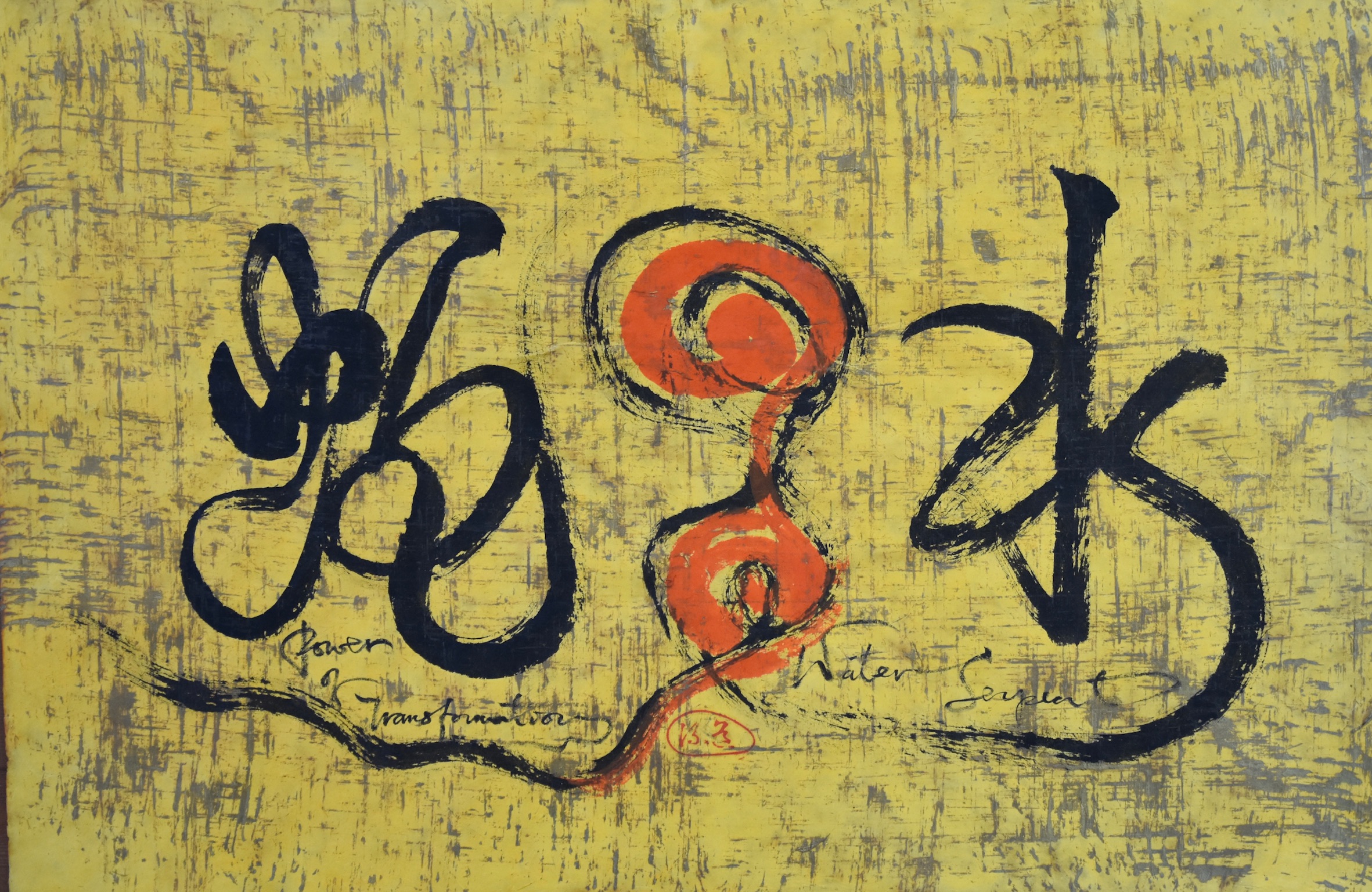
Historical and Mythological Roots of the Serpent in Tarot
The serpent’s presence in tarot is deeply rooted in ancient mythology and esoteric traditions. In Greek mythology, the serpent was linked to healing through the Rod of Asclepius, a symbol still used in medicine today. Meanwhile, in Hindu tradition, the serpent Shesha represents cosmic balance and the cycle of time. The serpent also appears in alchemical symbolism, where it signifies the union of opposites—such as fire and water—leading to spiritual enlightenment.
Tarot decks, particularly those inspired by the Rider-Waite-Smith tradition, draw from these mythological and alchemical themes. For instance, the serpent in The Magician card is often interpreted as the Kundalini energy, a dormant spiritual force that can be awakened through meditation and practice. By exploring these historical connections, readers can gain a richer understanding of how the serpent functions as a bridge between the material and spiritual worlds in tarot readings.
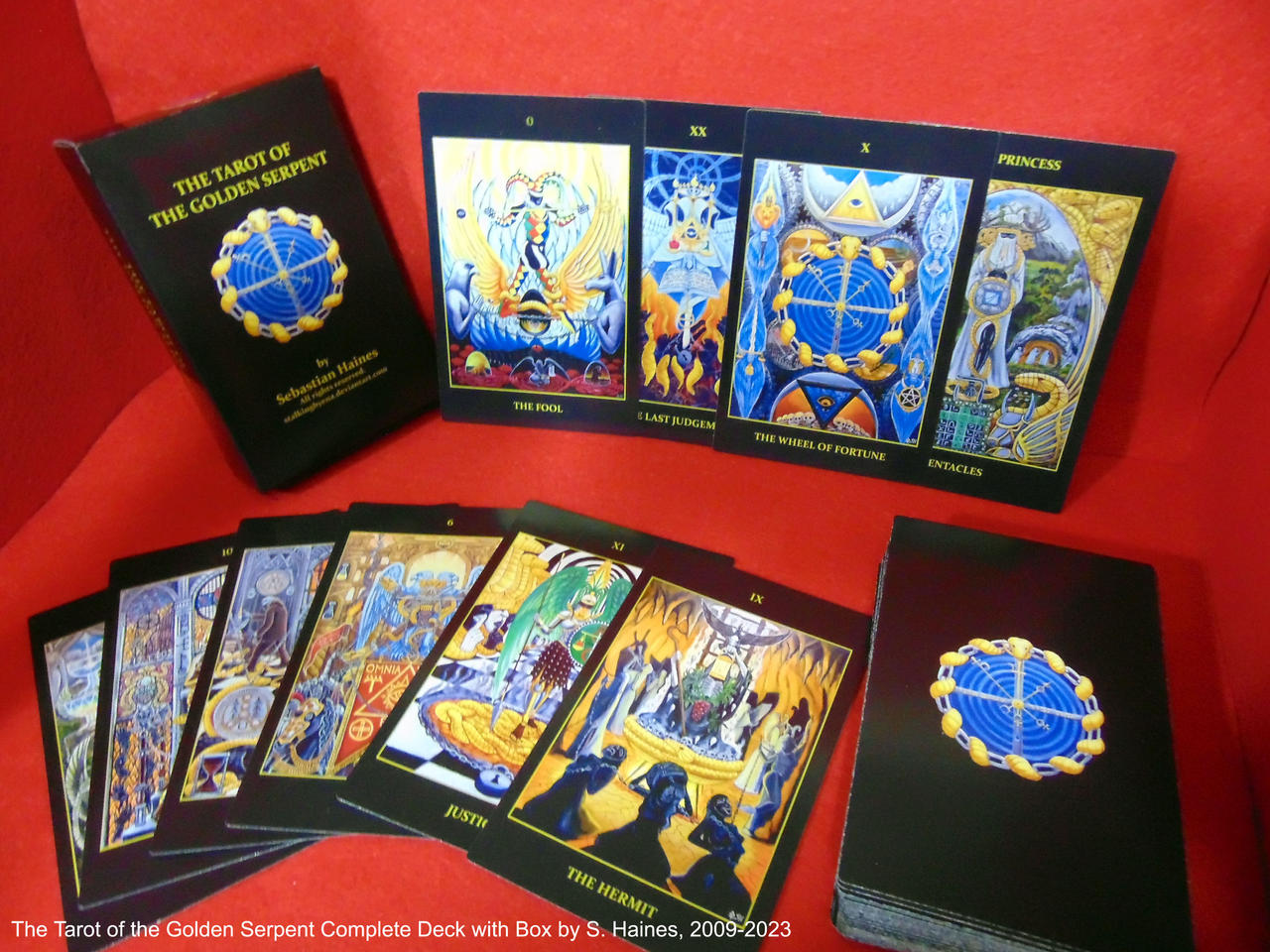
Serpent Tarot Cards: Key Interpretations
Several tarot cards prominently feature serpents, each carrying unique meanings that can shift depending on the context of a reading. Below are some of the most significant cards and their serpent-related interpretations:
- The Magician: The serpent in this card often represents the Kundalini energy or the awakening of latent potential. It suggests mastery over primal forces and the ability to manifest desires through focused intention.
- The High Priestess: Here, the serpent may symbolize intuition, hidden wisdom, or the guardian of sacred knowledge. It encourages the querent to trust their inner voice and explore the unseen realms.
- The Devil: In this card, the serpent embodies temptation, addiction, or materialistic attachments. It serves as a warning against succumbing to base desires or unhealthy attachments.
- The Hanged Man: Some interpretations depict a serpent in this card to represent surrender, sacrifice, or a period of liminal transformation. It suggests that the querent is in a phase of release and renewal.
- Judgement: The serpent may appear here as a symbol of rebirth or the shedding of old identities. It indicates a call to awaken to a higher purpose or spiritual awakening.
Understanding the context of these cards in a spread is crucial. For example, encountering The Magician with a serpent in a career reading might indicate a need to harness personal power to achieve goals, while The Devil with a serpent could signal a warning against overindulgence or toxic relationships.
Interpreting Serpent Imagery in Readings
When a serpent appears in a tarot reading, its meaning can vary widely based on the card’s position, surrounding cards, and the querent’s intuition. Here are some key questions to consider when interpreting serpent imagery:
- Is the serpent coiled or in motion? A coiled serpent may represent potential energy waiting to be unleashed, while a serpent in motion could signify transformation or a need for adaptability.
- Is the serpent biting its tail (ouroboros)? This ancient symbol represents eternity, wholeness, or the cyclical nature of life. It may suggest that the querent is in a phase of completion or renewal.
- Is the serpent associated with water or fire? Water serpents often symbolize emotional depth, intuition, or the subconscious mind, while fire serpents may represent passion, destruction, or transformative energy.
- Is the serpent depicted as a guardian or a tempter? A guardian serpent may indicate protection or the need to guard secrets, while a tempter serpent could warn against deception or external influences.
Trusting one’s intuition is essential when interpreting serpent imagery. The querent’s personal associations with serpents—whether positive or negative—can also influence the card’s meaning. For example, someone who fears snakes might interpret a serpent card as a warning, while another person might see it as a sign of healing and growth.
Practical Applications: Using Serpent Tarot for Personal Growth
The serpent’s symbolism can be a powerful tool for personal development and spiritual exploration. Here are some practical ways to incorporate serpent imagery into tarot practice:
- Meditation and Visualization: Use serpent imagery in meditation to connect with the energy of transformation. Visualize a serpent coiling around your spine (Kundalini) or shedding its skin to release old patterns.
- Journaling Prompts: Reflect on questions like, “Where in my life do I feel tempted to stray from my path?” or “What old habits or beliefs am I ready to shed?” Let the serpent guide your introspection.
- Ritual Work: Create a ritual involving serpent symbolism, such as lighting a candle with serpent imagery or placing a serpent figurine on your altar to invoke transformation or protection.
- Shadow Work: Explore the darker aspects of the serpent archetype, such as temptation or fear, to uncover hidden motivations or unresolved emotions. This can lead to profound healing and self-awareness.
By working with serpent energy intentionally, readers can tap into its transformative power and navigate life’s challenges with greater clarity and resilience.
Conclusion
The Serpent Tarot – Temptation or Transformation? reveals the serpent as a complex and dynamic symbol in tarot, capable of representing both danger and rebirth. By understanding its historical, mythological, and psychological roots, readers can deepen their interpretations of serpent imagery in readings. Whether encountered in The Magician’s mastery, The High Priestess’s intuition, or The Devil’s warnings, the serpent invites us to explore the dualities within ourselves and the world around us.
As a guide to personal growth, the serpent’s presence in tarot encourages introspection, healing, and transformation. By embracing its lessons, we can harness its energy to shed old skins, awaken latent potential, and navigate life’s journey with wisdom and courage. Whether you view the serpent as a tempter or a transformer, its message is clear: change is inevitable, and growth is possible.
FAQ
What does the serpent symbolize in tarot?
The serpent in tarot represents duality, embodying both temptation and transformation, including renewal, wisdom, and spiritual awakening.
Which tarot cards commonly feature serpents?
Key cards featuring serpents include The Magician, The High Priestess, The Devil, The Hanged Man, and Judgement.
How can I interpret serpent imagery during a reading?
Interpret serpent imagery by considering its posture, whether it is coiled or in motion, its context in the spread, and your intuitive response.
How can serpent symbolism aid personal growth?
Using serpent symbolism in meditation, journaling, rituals, and shadow work can help facilitate personal transformation and healing.
Leave a Reply