Short Answer
Welcome to your quick-start guide to mastering Tarot card meanings with simplicity! Whether you’re a curious beginner or a seasoned reader looking to refine your approach, this guide will show you how to interpret Tarot spreads using just 4 to 5 cards. You’ll learn how to pose playful questions, uncover hidden challenges, and extract clear insights from your readings. By the end, you’ll feel confident using small spreads to reveal meaningful guidance in any situation.
Why Start with 4 to 5 Card Spreads?
Tarot spreads don’t have to be complex to be powerful. In fact, smaller spreads—like the 4-card or 5-card layout—are perfect for beginners and busy readers who want quick, focused insights. These spreads are easy to memorize, fast to lay out, and flexible enough to adapt to almost any question. They also help you build intuition without feeling overwhelmed by too much information at once.
Using fewer cards encourages you to pay closer attention to each card’s symbolism and how it interacts with the others. Instead of getting lost in a sea of meanings, you’ll focus on the core message of the spread. This approach is especially useful when you’re just starting out or when you need a rapid reading for daily guidance.
Crafting a Playful Question That Sparks Insight
The key to a meaningful Tarot reading lies in the question you ask. A playful question isn’t just fun—it’s effective. It opens your mind to creative interpretations and helps you approach the reading with curiosity rather than pressure. Instead of asking, “Will I get a promotion?” try something like, “What energy should I bring to my next work meeting?” or “How can I make today more joyful?”
Playful questions often start with “How,” “What,” or “In what way,” as these invite exploration rather than a simple yes or no. They also allow the cards to reveal unexpected insights. For example, asking, “What’s the best way to handle a tricky conversation?” might lead to a card suggesting patience or clear communication, even if you weren’t expecting it.
Remember, the Tarot responds best to open-ended questions. Avoid questions that limit the cards’ responses, like “Is this person going to call me?” Instead, ask, “What’s the current energy between me and this person?” This keeps the reading dynamic and full of potential.
Introducing the 4-Card Spread: Past, Present, Challenge, Outcome
The 4-card spread is a classic layout that provides a snapshot of a situation. Each card represents a different aspect, giving you a well-rounded view. Here’s how to interpret each position:
- Past: This card reveals the root of the situation. It shows what has led to the current moment, offering context for why things are unfolding the way they are.
- Present: This card reflects the current energy or state of affairs. It’s where you are right now, and it sets the stage for what’s to come.
- Challenge: This card highlights the obstacle or lesson you need to address. It’s not here to discourage you but to guide you toward growth.
- Outcome: This card shows the potential future if the challenge is acknowledged and worked through. It’s a glimpse of what’s possible with the right actions.
For example, if you’re reading about a relationship, the Past card might show a time of connection, the Present card could indicate a current misunderstanding, the Challenge card might reveal a fear of vulnerability, and the Outcome card could suggest a path to deeper intimacy. This spread helps you see the full journey and where you can make changes.
Expanding to the 5-Card Spread: Adding a Guiding Message
The 5-card spread builds on the 4-card layout by adding a fifth card that serves as a central theme or advice. This card acts as a guiding light, summarizing the core message of the reading. It’s like having a wise friend whispering the most important takeaway into your ear.
In this spread, the first four cards follow the same Past, Present, Challenge, and Outcome structure. The fifth card, often placed in the center, answers the question, “What’s the key lesson here?” or “What should I focus on most?” For instance, if the first four cards suggest a career dilemma, the fifth card might reveal that confidence is the missing piece.
This spread is ideal for questions that require a bit more depth, such as “What do I need to know about my creative project?” or “How can I improve my health?” The central card ties everything together, making the reading feel cohesive and actionable.
Navigating the Challenge Card: Turning Obstacles into Opportunities
The Challenge card is often the most revealing part of the reading. It’s not meant to scare you—it’s meant to wake you up. This card highlights the block or lesson you’re avoiding, whether it’s self-doubt, procrastination, or a fear of change. The key is to see it as a compass pointing toward growth.
For example, if the Challenge card is the Eight of Swords (a card of feeling trapped), it might indicate that you’re overthinking a situation and creating unnecessary limitations. The solution? Recognize that the “bars” are mental, not physical, and step back to see the bigger picture. By addressing the challenge head-on, you shift the energy of the Outcome card toward a more positive result.
Always ask yourself: “What is this card trying to teach me?” The answer often lies in the card’s symbolism or its upright/reversed meaning. Sometimes, the challenge is simply a reminder to trust yourself more or to take a different approach.
Putting It All Together: A Step-by-Step Reading
Ready to try a 4-card or 5-card spread? Follow these steps for a smooth and insightful reading:
- Ground Yourself: Take a few deep breaths and clear your mind. Shuffle your deck while focusing on your question or the situation you want to explore.
- Lay Out the Cards: For a 4-card spread, arrange the cards in a square. For a 5-card spread, place the fifth card in the center. Feel free to use a cloth or a dedicated Tarot mat for added intention.
- Interpret Each Card: Start with the Past card and work your way through the positions. Note the imagery, symbols, and your immediate reactions. Don’t overthink it—your first impression is often the most accurate.
- Weave the Story: Look for connections between the cards. Does the Present card reflect the Past? Does the Challenge card seem to contradict the Outcome? These relationships add depth to your reading.
- Ask for Clarity: If a card feels confusing, pull a clarifier card. For example, ask, “What do I need to understand about the Five of Cups?” and draw one additional card for insight.
- Reflect and Act: After the reading, jot down your interpretations and any action steps. The Tarot is a tool for guidance, not a prediction—use the insights to make empowered choices.
Common Pitfalls and How to Avoid Them
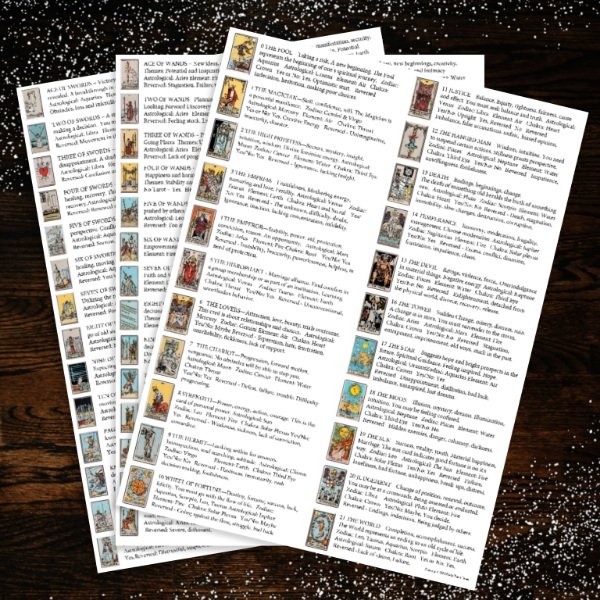
Even with a simple spread, it’s easy to fall into traps that can skew your reading. One common mistake is relying too heavily on guidebooks instead of trusting your intuition. While guidebooks are helpful, they shouldn’t replace your own interpretations. Ask yourself, “What does this card mean to me?” rather than defaulting to a generic meaning.
Another pitfall is asking leading or negative questions. Questions like, “Why is this happening to me?” or “When will I finally succeed?” can color the reading with frustration. Instead, frame your questions in a way that invites solutions, such as, “What can I learn from this experience?” or “What steps should I take next?”
Lastly, don’t ignore reversed cards if you’re using them. Reversals can indicate blocked energy, internal struggles, or a need to revisit a situation. However, don’t stress over them—sometimes a reversed card simply means the energy is internal or delayed. Trust your gut on whether to include reversals in your readings.
Conclusion
Tarot card meanings don’t have to be complicated. With a 4-card or 5-card spread, you can uncover deep insights without getting lost in complexity. The key is to ask playful, open-ended questions, interpret each card with curiosity, and embrace the Challenge card as a guide rather than a roadblock. Whether you’re seeking clarity on a relationship, career, or personal growth, these small spreads offer a powerful way to connect with the wisdom of the Tarot.
Start with a question that excites you, lay out your cards, and let the messages unfold. The more you practice, the more intuitive your readings will become. Remember, the Tarot is a mirror—it reflects back what’s already within you. Your job is to listen, reflect, and take inspired action. Happy reading!
FAQ
What is the purpose of a 4-card Tarot spread?
The 4-card spread offers a snapshot of a situation through Past, Present, Challenge, and Outcome cards, providing context and guidance.
How does the 5-card spread differ from the 4-card spread?
The 5-card spread adds a central guiding message card that summarizes the core lesson or advice for deeper insight.
How should I phrase questions for Tarot readings?
Use open-ended and exploratory questions starting with 'How,' 'What,' or 'In what way' to invite insightful and creative answers.
What are common pitfalls in Tarot reading?
Relying too much on guidebooks, asking leading questions, and ignoring reversed cards can limit the accuracy and depth of readings.
Leave a Reply