Short Answer
Welcome to this comprehensive guide on Tarot Reading Meanings in Urdu. Whether you’re a beginner curious about the mystical world of tarot or someone looking to deepen your understanding of its symbolic language, this guide will walk you through the essential aspects of tarot reading. You’ll learn about the history of tarot, the meanings of individual cards, how to interpret spreads, and why tarot continues to captivate people across cultures and languages. By the end, you’ll have a solid foundation to explore tarot readings in Urdu and beyond.
Understanding the Basics of Tarot Reading
Tarot reading is an ancient divination practice that uses a deck of 78 cards to gain insight into life’s questions, challenges, and opportunities. Each card in the deck carries unique symbolism and meaning, which can be interpreted in various ways depending on its position in a spread and the context of the question asked. The deck is divided into two main sections: the Major Arcana and the Minor Arcana. The Major Arcana consists of 22 cards that represent significant life events or spiritual lessons, such as The Fool, The Lovers, and Death. The Minor Arcana, on the other hand, contains 56 cards divided into four suits—Cups, Pentacles, Swords, and Wands—each reflecting everyday experiences and challenges.
In Urdu-speaking communities, tarot reading has gained popularity as a tool for self-reflection and guidance. The language barrier, however, often makes it difficult for Urdu speakers to fully grasp the nuances of tarot symbolism. This guide bridges that gap by providing explanations in Urdu, allowing you to connect with the deeper meanings behind each card and spread.
The Structure of a Tarot Deck and Its Significance
The tarot deck is more than just a collection of cards; it is a mirror to the human experience. The Major Arcana cards, often referred to as the “trump cards,” represent pivotal moments or archetypal energies in a person’s life. For example, The Magician symbolizes manifestation and resourcefulness, while The High Priestess embodies intuition and hidden knowledge. These cards often appear when a significant life lesson or transformation is at hand.
The Minor Arcana, meanwhile, reflects the everyday trials and tribulations we face. The four suits correspond to different aspects of life: Cups relate to emotions and relationships, Pentacles to material wealth and stability, Swords to intellect and conflict, and Wands to creativity and passion. Each suit contains ten numbered cards (Ace through 10) and four court cards (Page, Knight, Queen, King), which represent people or personalities. Understanding these distinctions is crucial for interpreting tarot readings accurately.
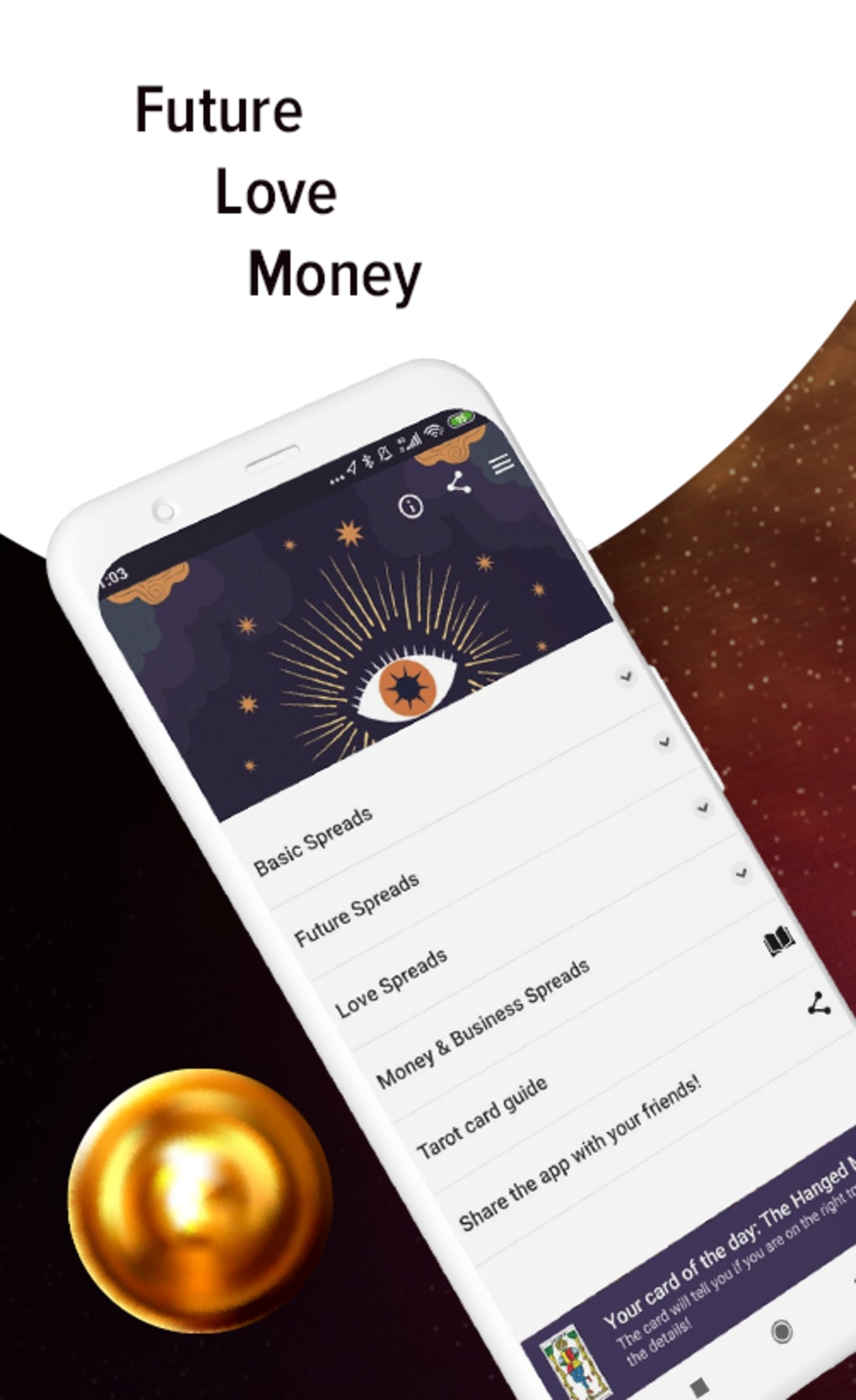
In Urdu, the names and meanings of these cards may differ slightly from their English counterparts, but the core symbolism remains consistent. For instance, the card known as “The Tower” in English might be referred to as “برج” (Burj) in Urdu, symbolizing sudden upheaval or revelation. Familiarizing yourself with these terms will enhance your ability to interpret readings in your native language.
Interpreting Major Arcana Cards in Urdu
The Major Arcana cards are the heart of tarot, offering profound insights into life’s journey. Below are some of the most significant cards and their meanings in Urdu:
- The Fool (The Wanderer – مسافر): This card represents new beginnings, spontaneity, and a leap of faith. In Urdu, it is often seen as a symbol of innocence and the start of a new adventure.
- The Magician (The Magician – جادوگر): A card of manifestation and skill, The Magician encourages you to harness your talents and resources. In Urdu, it is associated with power and the ability to turn ideas into reality.
- The High Priestess (The Mystic – رازدان): This card embodies intuition, mystery, and hidden knowledge. In Urdu, it is often linked to spiritual wisdom and the subconscious mind.
- The Lovers (The Choice – انتخاب): Representing relationships and choices, this card can signify love, harmony, or a significant decision. In Urdu, it is often interpreted as a reflection of moral dilemmas or partnerships.
- Death (Transformation – تبدیلی): Contrary to its name, this card symbolizes change and rebirth. In Urdu, it is seen as a necessary transformation, marking the end of one phase and the beginning of another.
These interpretations provide a starting point for understanding the Major Arcana in Urdu. As you delve deeper into tarot, you’ll discover that each card can have multiple layers of meaning, depending on the context of the reading.
Exploring the Minor Arcana Suits and Their Meanings
The Minor Arcana suits offer a more detailed look at the everyday aspects of life. Here’s a breakdown of their meanings in Urdu:
- Cups (دلوں کا کپ – Cups of Hearts): This suit is associated with emotions, relationships, and creativity. Cards like The Ace of Cups (دلوں کا ایس) represent new emotional beginnings, while The Three of Cups (دلوں کا تین) signifies celebration and friendship.
- Pentacles (سکے – Coins): Pentacles relate to material wealth, work, and practical matters. The Ten of Pentacles (سکوں کا دس) might indicate financial security or family legacy, while The Five of Pentacles (سکوں کا پانچ) could suggest financial struggle or hardship.
- Swords (تلوار – Swords): This suit deals with intellect, conflict, and communication. The Ace of Swords (تلوار کا ایس) represents clarity and truth, while The Queen of Swords (تلوار کی ملکہ) embodies independence and sharp intellect.
- Wands (چراغ – Wands): Wands symbolize creativity, passion, and ambition. The King of Wands (چراغ کا بادشاہ) might indicate leadership and charisma, while The Page of Wands (چراغ کا پیج) represents enthusiasm and new ideas.

Understanding these suits in Urdu will help you interpret readings with greater accuracy. For example, drawing a Swords card in a reading might suggest a need for clear communication or a resolution to a mental conflict, while a Wands card could indicate a burst of creative energy or a new project.
Common Tarot Spreads and How to Use Them
Tarot spreads are specific layouts of cards that provide insight into different aspects of a question or situation. Here are some of the most popular spreads and how to use them:
- Single-Card Spread: Ideal for quick insights or daily guidance. Draw one card to represent the energy or message for the day.
- Three-Card Spread: This spread represents past, present, and future, or mind, body, and spirit. It’s a great starting point for beginners.
- Celtic Cross Spread: A more advanced spread with ten cards, it provides a detailed overview of a situation, including challenges, influences, and potential outcomes.
- Relationship Spread: Focused on love and partnerships, this spread uses cards to explore dynamics, strengths, and areas for growth in a relationship.
In Urdu, these spreads can be explained using familiar terms. For example, the Three-Card Spread might be referred to as “تین کارڈز کا پھیلاؤ” (Teen Cards ka Phailao), where each card represents a different phase of life. Practicing with these spreads will help you develop confidence in your tarot reading skills.
Why Tarot Reading Fascinates People Across Cultures
Tarot reading has endured for centuries because it offers a unique blend of psychology, spirituality, and symbolism. For many, it serves as a tool for self-discovery, helping them navigate life’s uncertainties with greater clarity. The fascination with tarot also lies in its adaptability; it can be interpreted in countless ways, making it relevant to people from all walks of life.
In Urdu-speaking communities, tarot reading has become a way to reconnect with cultural and spiritual traditions while embracing modern practices. The language barrier, however, has often limited access to tarot resources in Urdu. By providing interpretations and explanations in Urdu, this guide aims to make tarot more accessible and relatable to native speakers.

The allure of tarot also stems from its ability to tap into the subconscious mind. The vivid imagery and archetypal symbols resonate deeply with people, offering a language that transcends words. Whether you’re seeking guidance on a personal dilemma or simply exploring the mysteries of the universe, tarot provides a framework for introspection and growth.
Conclusion
Tarot reading is a powerful tool for self-reflection, guidance, and spiritual growth. By understanding the structure of the tarot deck, the meanings of individual cards, and how to interpret spreads, you can unlock the wisdom of this ancient practice. For Urdu speakers, learning tarot in your native language adds an extra layer of connection and clarity, making the experience more meaningful.
As you continue your tarot journey, remember that the cards are a mirror to your inner self. They reflect your hopes, fears, and aspirations, offering insights that can guide you toward a more fulfilling life. Whether you’re drawing a single card for daily inspiration or performing a detailed Celtic Cross spread, tarot reading is a journey of discovery—one that invites you to explore the depths of your own mind and spirit.
Start with the basics, practice regularly, and trust your intuition. The more you engage with tarot, the more you’ll uncover its profound wisdom. And with this guide, you now have the tools to begin your exploration in Urdu, bridging the gap between tradition and modernity.
FAQ
What is tarot reading?
Tarot reading is an ancient divination practice that uses a deck of 78 cards to gain insight into life's questions and challenges.
How are tarot cards interpreted?
Each card carries unique symbolism and meaning, interpreted based on its position in a spread and the context of the question.
Leave a Reply