Short Answer
Welcome to your comprehensive guide on The Shadow Side Tarot – What You Hide. In this article, you’ll explore the hidden aspects of your personality through the lens of tarot, uncovering the mysteries of the shadow self. You’ll learn how to interpret tarot cards in relation to your inner darkness, embrace self-awareness, and transform repressed emotions into growth. Whether you’re a seasoned tarot reader or a curious beginner, this guide will provide valuable insights into the shadow side of tarot and how it influences your life.
The Concept of the Shadow Self in Tarot
The shadow self, a term popularized by psychologist Carl Jung, refers to the unconscious aspects of our personality that we repress or deny. These hidden traits often include fears, desires, insecurities, and unresolved traumas. In tarot, the shadow self manifests through cards that reveal suppressed emotions, hidden motives, or aspects of ourselves we’re reluctant to acknowledge.
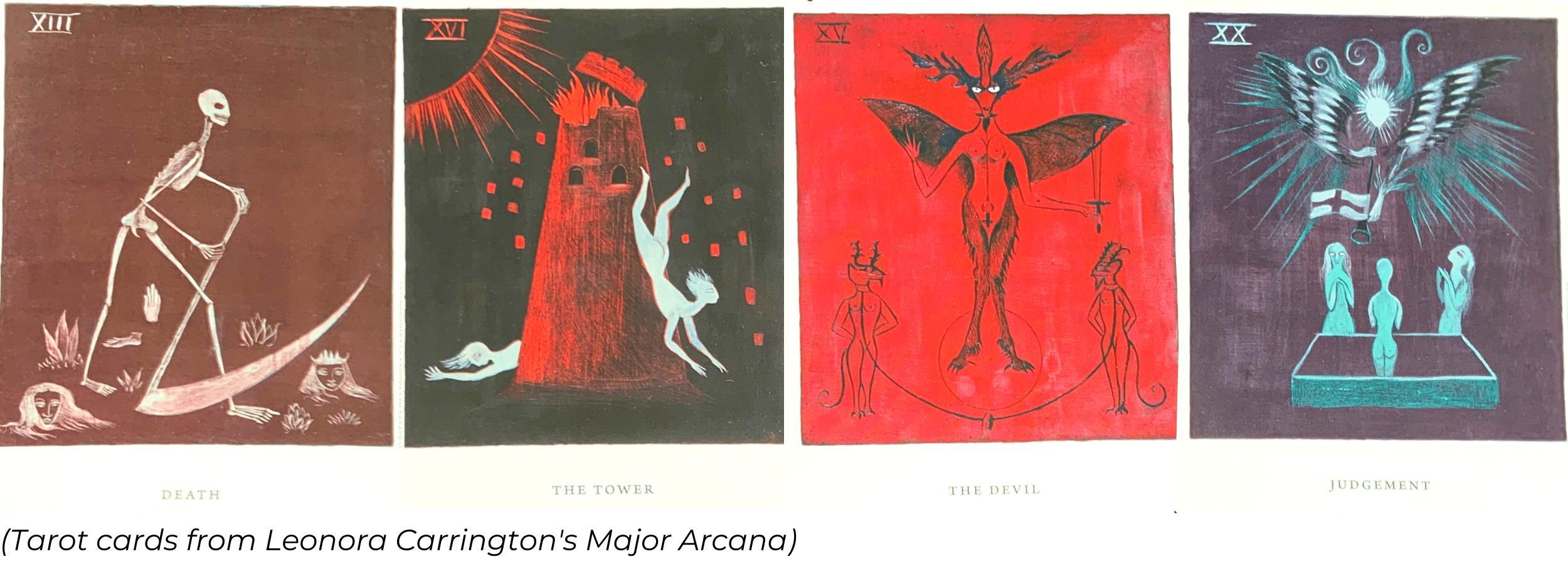
When interpreting tarot cards through the lens of the shadow, certain archetypes and symbols become particularly significant. For example, The Devil card often represents bondage to unhealthy patterns, while The Tower may symbolize the collapse of illusions we’ve built around ourselves. By recognizing these cards in a reading, you can begin to explore the deeper layers of your psyche and address what you’ve been hiding.
Common Shadow Tarot Cards and Their Meanings
Certain tarot cards are frequently associated with the shadow self due to their themes of concealment, duality, and hidden truths. Below are some of the most significant cards and their interpretations in the context of the shadow:
The Devil
The Devil card is a powerful symbol of addiction, toxic attachments, and self-sabotage. In the shadow context, it represents the chains we place on ourselves—whether through unhealthy relationships, compulsive behaviors, or limiting beliefs. This card urges you to examine what you’re clinging to that no longer serves you and to break free from these invisible bonds.
The Moon
The Moon card embodies illusion, deception, and the subconscious mind. It often appears in readings when you’re avoiding facing a truth or when your fears are clouding your judgment. The shadow aspect here lies in the way you distort reality to protect yourself from discomfort. This card encourages you to shine a light on your hidden anxieties and trust your intuition to guide you through uncertainty.
Three of Swords
This card is a stark representation of heartbreak, betrayal, and emotional pain. In the shadow context, the Three of Swords may indicate repressed grief or past wounds that you’ve buried to avoid reliving the pain. It’s a call to acknowledge these emotions rather than suppress them, as healing can only begin once you face what you’ve been hiding.
Seven of Cups
The Seven of Cups often reflects indecision, fantasy, and escapism. In the shadow self, this card reveals the ways you avoid reality by indulging in daydreams or unrealistic expectations. It may also point to self-deception—choosing to believe in illusions rather than confronting the truth. This card challenges you to ground yourself in reality and make choices that align with your true desires.

How to Perform a Shadow Tarot Reading
A shadow tarot reading is designed to uncover the hidden aspects of your psyche and bring them into conscious awareness. Here’s a step-by-step guide to conducting your own shadow tarot reading:
Step 1: Set Your Intention
Before pulling any cards, take a moment to center yourself and set a clear intention. Ask yourself what aspect of your shadow you’re ready to explore. This could be a specific fear, past trauma, or a recurring pattern in your life that you’ve been avoiding. Writing down your intention can help focus your reading.
Step 2: Choose Your Spread
While traditional tarot spreads can be adapted for shadow work, certain layouts are particularly effective for revealing hidden truths. Consider using a spread with positions like:
- What I Hide From Myself – The card representing the shadow trait or emotion you’re repressing.
- How This Affects Me – The impact this hidden aspect has on your life or relationships.
- What I Need to Acknowledge – The truth you must face to begin healing.
- How to Embrace This Part of Me – Guidance on integrating this shadow aspect in a healthy way.
Step 3: Pull and Interpret the Cards
Shuffle your deck while keeping your intention in mind. Pull the number of cards required for your spread and lay them out. As you interpret each card, pay attention to the emotions and memories that arise. Ask yourself how the card’s message relates to your shadow self and what it’s trying to reveal.
Step 4: Reflect and Journal
After your reading, take time to journal about your insights. Write down any realizations, fears, or questions that came up during the reading. Reflect on how you can apply this knowledge to your daily life. Shadow work is an ongoing process, so revisit your journal regularly to track your progress.
Using Tarot for Shadow Work and Personal Growth
Tarot is a powerful tool for shadow work, as it provides a mirror to your subconscious mind. By engaging with the cards, you can identify patterns, confront repressed emotions, and ultimately achieve greater self-awareness. Here are some ways to use tarot for shadow work and personal growth:
Identifying Repressed Emotions
Tarot cards like The Hanged Man, Five of Pentacles, or Eight of Swords often point to feelings of isolation, lack, or self-imposed limitations. These cards can help you recognize emotions you’ve been suppressing, such as loneliness, shame, or unworthiness. Acknowledging these feelings is the first step toward healing.
Breaking Free from Limiting Beliefs
Many shadow aspects are rooted in limiting beliefs we’ve internalized over time. Cards like The Chariot or Strength can reveal your inner strength and resilience, while The Hermit may encourage you to seek solitude for self-reflection. Use these cards as affirmations to challenge negative beliefs and cultivate a more empowering mindset.
Integrating the Shadow Self
The goal of shadow work is not to eliminate your shadow but to integrate it into your conscious self. Cards like The Star or Temperance symbolize balance and harmony, reminding you that your shadow is a natural part of who you are. By embracing all aspects of yourself, you can achieve wholeness and authenticity.
Creating a Shadow Tarot Ritual
To deepen your shadow work practice, consider creating a tarot ritual that honors the hidden aspects of yourself. Rituals provide a sacred space for reflection and transformation. Here’s a simple ritual you can try:
Step 1: Prepare Your Space
Choose a quiet, comfortable space where you won’t be disturbed. Light a candle or incense to set the mood, and place your tarot deck in front of you. You may also want to include items that represent your shadow, such as a black candle, a mirror, or a journal.
Step 2: Ground and Center Yourself
Take a few deep breaths to ground yourself. Close your eyes and visualize roots growing from your feet into the earth, anchoring you. Set an intention for your ritual, such as “I am ready to face my shadow with courage and compassion.”
Step 3: Pull a Card for Guidance
Shuffle your deck while focusing on your intention. Pull one card and place it face up in front of you. Take a moment to observe the imagery and symbols on the card. Ask yourself what message it holds for your shadow work today.
Step 4: Reflect and Release
Journal about your insights and any emotions that arose during the reading. If there’s a shadow aspect you’re ready to release, write it down on a piece of paper and safely burn or bury it as a symbolic act of letting go.
Step 5: Close the Ritual
Thank your guides, the universe, or your higher self for the insights you’ve received. Extinguish the candle and take a moment to ground yourself before returning to your daily routine.
Conclusion
The shadow side of tarot offers a profound opportunity for self-discovery and growth. By exploring the hidden aspects of your personality, you can uncover repressed emotions, challenge limiting beliefs, and ultimately achieve a deeper sense of self-awareness. Whether through a simple card pull or a dedicated shadow tarot ritual, the cards serve as a guide to the uncharted territories of your psyche.
Remember, the goal of shadow work is not to judge or eliminate these hidden parts of yourself but to embrace them with compassion and understanding. As you integrate your shadow, you’ll find greater authenticity, resilience, and inner peace. Let the tarot be your companion on this journey of self-exploration, and trust that every card you draw is a step toward wholeness.
FAQ
What is the shadow self in tarot?
The shadow self refers to unconscious and repressed parts of the personality, often revealed by certain tarot cards that highlight fears, hidden desires, and unresolved emotions.
Which tarot cards represent the shadow self?
The Devil, The Moon, Three of Swords, and Seven of Cups are commonly associated with the shadow self due to their symbolism of addiction, illusion, heartbreak, and escapism.
How can I perform a shadow tarot reading?
Set a clear intention, select a shadow-focused spread, pull cards with that intention in mind, interpret their messages related to hidden aspects, and journal reflections to facilitate healing.
How does tarot assist with personal growth?
Tarot helps identify repressed emotions and limiting beliefs, providing guidance to integrate shadow aspects and foster greater self-awareness and authenticity.
What is a shadow tarot ritual?
A shadow tarot ritual involves creating a sacred space, grounding, pulling a card for insight, reflecting, journaling, and symbolically releasing shadow elements to deepen self-understanding.
Leave a Reply