Short Answer
In this comprehensive guide, you will explore the symbolic meanings behind the Horse of Thieves and the Horseman of the Apocalypse. You’ll learn about their origins, interpretations across different cultures, and their significance in religious and literary contexts. Whether you’re a student of mythology, a reader of apocalyptic literature, or simply curious about these powerful symbols, this article will provide deep insights into their roles and implications.
The Horse of Thieves: Symbolism and Meaning
The Horse of Thieves is a lesser-known but intriguing symbol often associated with deceit, cunning, and the darker aspects of human nature. In various mythologies and folklore, horses are frequently linked to freedom, power, and nobility. However, when paired with the concept of theft, the symbolism shifts to represent dishonesty, trickery, and the pursuit of gain through unethical means.
In some traditions, the Horse of Thieves is depicted as a steed ridden by trickster figures or outlaws. These characters often embody rebellion against societal norms and the exploitation of others for personal benefit. The horse itself may symbolize speed and agility—qualities that allow the thief to evade capture or justice. This duality highlights the tension between freedom and moral responsibility.
Literary works and films have also explored this theme. For example, characters like Robin Hood, though often portrayed as a noble thief, still operate outside the law, using their wits and agility to outmaneuver authority figures. The Horse of Thieves, in this context, becomes a metaphor for the consequences of greed and the blurred lines between justice and theft.

The Horseman of the Apocalypse: Origins and Interpretations
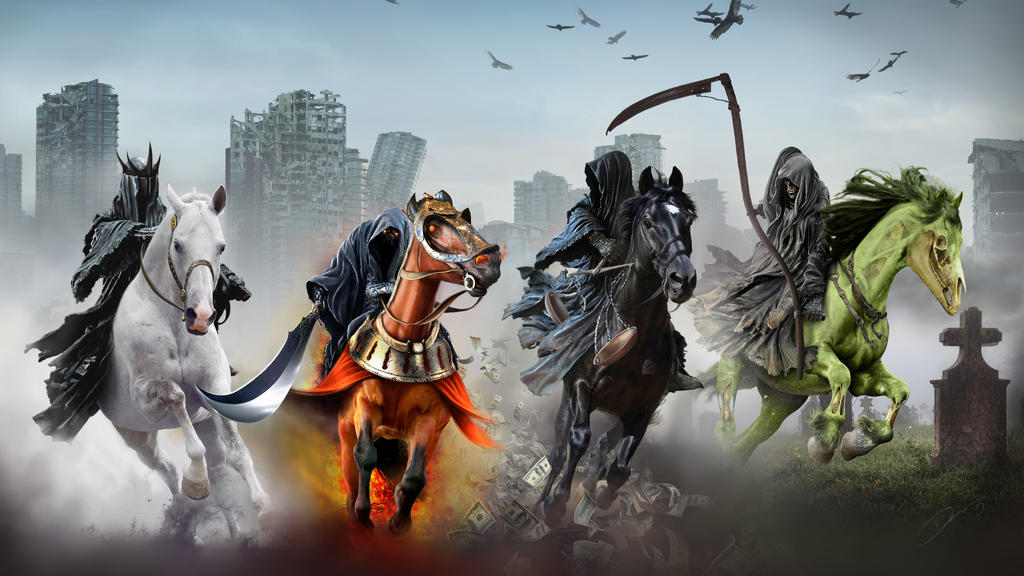
The Horseman of the Apocalypse is one of the most iconic symbols in Christian eschatology, originating from the Book of Revelation in the New Testament. The passage describes four horsemen who appear as divine judgments preceding the end of the world. Each horseman represents a different aspect of apocalyptic destruction: conquest, war, famine, and death. While the Horse of Thieves is a more localized symbol, the Horseman of the Apocalypse carries universal significance, resonating across cultures and historical periods.
The first horseman, often associated with conquest or pestilence, rides a white horse and wields a bow, symbolizing the spread of false ideologies or plagues. The second, riding a red horse, represents war and violence, carrying a great sword. The third horseman, on a black horse, holds a pair of balances, signifying famine and economic hardship. Finally, the fourth horseman, Death, rides a pale horse and is followed by Hades, representing the inevitability of mortality.
These symbols have been interpreted in various ways beyond their biblical context. In art and literature, the Horseman of the Apocalypse often embodies existential threats—whether literal or metaphorical. For instance, in medieval art, the horsemen were depicted as harbingers of doom, reflecting the anxieties of a society plagued by war, disease, and famine. Modern interpretations, such as in films or video games, often reimagine these figures as metaphors for societal collapse, environmental disaster, or even technological dystopia.
Comparing the Horse of Thieves and the Horseman of the Apocalypse
While the Horse of Thieves and the Horseman of the Apocalypse both feature horses as central symbols, their meanings and implications are vastly different. The Horse of Thieves is deeply rooted in human morality, focusing on individual actions like theft and deception. It serves as a cautionary tale about the consequences of greed and the erosion of trust within communities. In contrast, the Horseman of the Apocalypse is a cosmic symbol, representing large-scale divine or natural disasters that transcend individual morality.
Another key difference lies in their agency. The Horse of Thieves is often ridden by a human figure, emphasizing personal choice and responsibility. The Horseman of the Apocalypse, however, is frequently depicted as an impersonal force of nature or divine will, highlighting the inevitability of certain events. This distinction underscores the broader themes each symbol addresses: the Horse of Thieves explores the microcosm of human behavior, while the Horseman of the Apocalypse examines the macrocosm of existential threats.
Culturally, the Horse of Thieves is more prevalent in secular folklore and modern storytelling, where it serves as a vehicle for exploring themes of justice, rebellion, and moral ambiguity. The Horseman of the Apocalypse, on the other hand, remains a staple in religious and apocalyptic narratives, though its imagery has permeated secular media as a shorthand for impending doom or crisis.
Cultural and Literary Depictions
Both symbols have left a significant mark on cultural and literary traditions. The Horse of Thieves appears in various forms of media, from classic Western films to fantasy novels. In these stories, the horse often serves as a companion to a roguish protagonist, reinforcing the themes of freedom and moral ambiguity. For example, in the novel The Scarlet Pimpernel, the protagonist uses wit and disguise to outmaneuver enemies, much like a thief evading capture.
The Horseman of the Apocalypse, meanwhile, has been a recurring motif in art, music, and literature. Albrecht Dürer’s famous 1498 woodcut series, The Four Horsemen of the Apocalypse, is one of the most iconic depictions, capturing the terror and grandeur of these figures. In modern times, the Horseman of the Apocalypse has been reimagined in works like The Stand by Stephen King, where the character Randall Flagg embodies the destructive forces of the apocalypse. Music, too, has drawn on these symbols, with bands like Metallica referencing the Horsemen in songs like The Four Horsemen to evoke themes of chaos and destruction.

Modern Relevance and Symbolic Power
In contemporary society, both symbols retain their relevance, albeit in different ways. The Horse of Thieves can be seen as a metaphor for modern-day issues like corporate greed, identity theft, or even the exploitation of digital information. The rise of cybercrime, for instance, echoes the themes of deception and the pursuit of gain at the expense of others, much like the traditional thief. This symbolism invites reflection on ethical behavior in an increasingly interconnected world.
The Horseman of the Apocalypse, too, continues to resonate in an era marked by global crises. Climate change, pandemics, and political instability are often framed in apocalyptic terms, reflecting societal anxieties about the future. The imagery of the Horsemen serves as a powerful visual shorthand for these fears, whether in political cartoons, dystopian films, or environmental activism. By invoking these ancient symbols, modern creators tap into a shared cultural language that conveys the gravity of contemporary challenges.
Conclusion
The Horse of Thieves and the Horseman of the Apocalypse are two powerful symbols that, despite their differences, both explore the darker aspects of human existence and the forces that shape our world. The Horse of Thieves delves into the personal and moral consequences of deceit and theft, while the Horseman of the Apocalypse addresses the impersonal and often catastrophic forces that define the human condition. Together, they offer a rich tapestry of meaning that spans centuries of storytelling, art, and cultural expression.
By understanding these symbols, you gain insight into the ways humanity has grappled with themes of morality, justice, and existential threat. Whether through the lens of folklore, religion, or modern media, these symbols continue to evolve, reflecting the ever-changing anxieties and aspirations of society. As you encounter these images in books, films, or art, consider the deeper meanings they carry and the stories they tell about the human experience.
FAQ
What does the Horse of Thieves symbolize?
The Horse of Thieves symbolizes deceit, cunning, and the darker aspects of human nature, often linked to trickery, rebellion, and moral ambiguity.
Who are the Horsemen of the Apocalypse?
The Horsemen of the Apocalypse are four figures from the Book of Revelation representing conquest, war, famine, and death, symbolizing divine judgments preceding the end of the world.
How do the Horse of Thieves and the Horseman of the Apocalypse differ?
The Horse of Thieves focuses on individual morality and deceit, while the Horseman of the Apocalypse represents cosmic forces and existential threats beyond personal control.
Why do these symbols remain relevant today?
They serve as metaphors for contemporary issues like corporate greed, cybercrime, global crises, and environmental disasters, continuing to evoke themes of justice and existential fear.
Leave a Reply