Short Answer
The Tarot is often perceived through varied lenses, with its cards emblematic of deeper truths, archetypes, and spiritual insights. Though traditionally viewed as a tool for divination, its narrative can intrigue even those with a Christian perspective. Examining Tarot cards through a Christian lens unfolds an expansive tapestry interwoven with symbolism, morality, and a quest for understanding one’s place within divine providence.
The Tarot deck is comprised of 78 cards, divided into the Major and Minor Arcana. Each card tells a unique story that reflects facets of the human experience. While many Christians point to the potential divinatory implications of Tarot as inconsistent with biblical teachings, analyzing the meaning of each card can yield reflections on moral lessons, the nature of faith, and the journey towards spiritual enlightenment.
Major Arcana
First, we encounter the Major Arcana, a series of 22 cards that encapsulate significant life themes and spiritual revelations.
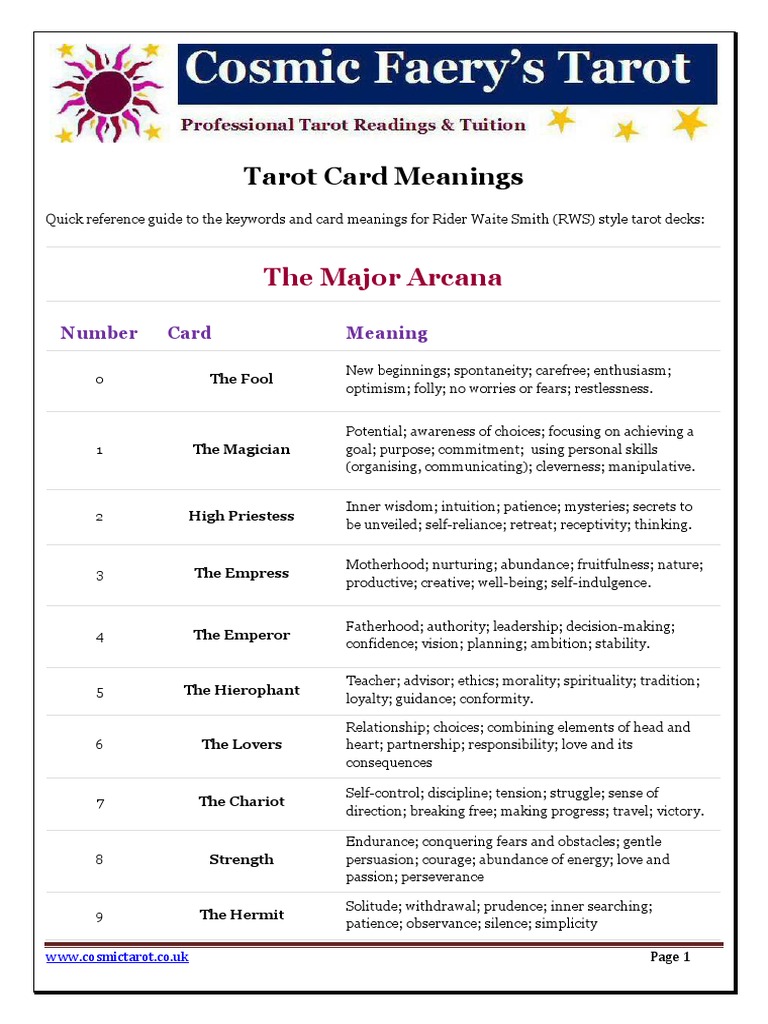
- The Fool (0): In its youthful exuberance, The Fool signifies new beginnings and the boundless faith reminiscent of a child’s trust in God. Its number zero captures the essence of potential, inviting believers to embark on a journey of faith without fear.
- The Magician (I): This card embodies the concept of manifestation through divine will. The Magician signifies the essential belief that God equips us with the tools to channel our intentions into reality. It inspires individuals to harness their God-given talents for service.
- The High Priestess (II): She whispers of intuition and spiritual knowledge. With a connection to the divine feminine, The High Priestess encourages believers to seek the truth in prayer and meditation, revealing that understanding often lies in silence and reflection.
- The Empress (III): Symbolizing creation and nurturing, this card reflects God’s essence as a creator. The Empress invites contemplation on the blessings of abundance and the divine responsibility to care for creation and others.
- The Emperor (IV): The Emperor denotes authority and structure. In a Christian context, it can be likened to God’s order and sovereignty, affirming that divine governance is foundational to peace and stability.
- The Hierophant (V): Often interpreted as the bearer of spiritual wisdom, The Hierophant draws parallels to ecclesiastical teachings. This card champions tradition and the importance of community in faith—a reminder that fellowship is integral to spiritual growth.
- The Lovers (VI): At its core, this card emphasizes meaningful relationships and choices. In Christianity, the theme of love parallels the divine love of God for humanity, urging believers to choose love as an active expression of faith.
- The Chariot (VII): This card signifies triumph through determination. It reflects Jesus’ strength and conviction, illustrating that faith is not passive but requires active pursuit of righteousness amid life’s conflicts.
- Strength (VIII): Strength reveals the power of inner fortitude and compassion. Parallel to the teachings of Christ, it holds that true bravery encompasses gentleness and the ability to overcome obstacles with grace.
- The Hermit (IX): A seeker of truth, The Hermit epitomizes the journey inward. In Christianity, solitude can lead to profound clarity and connection with God, encouraging moments of introspection and prayer.
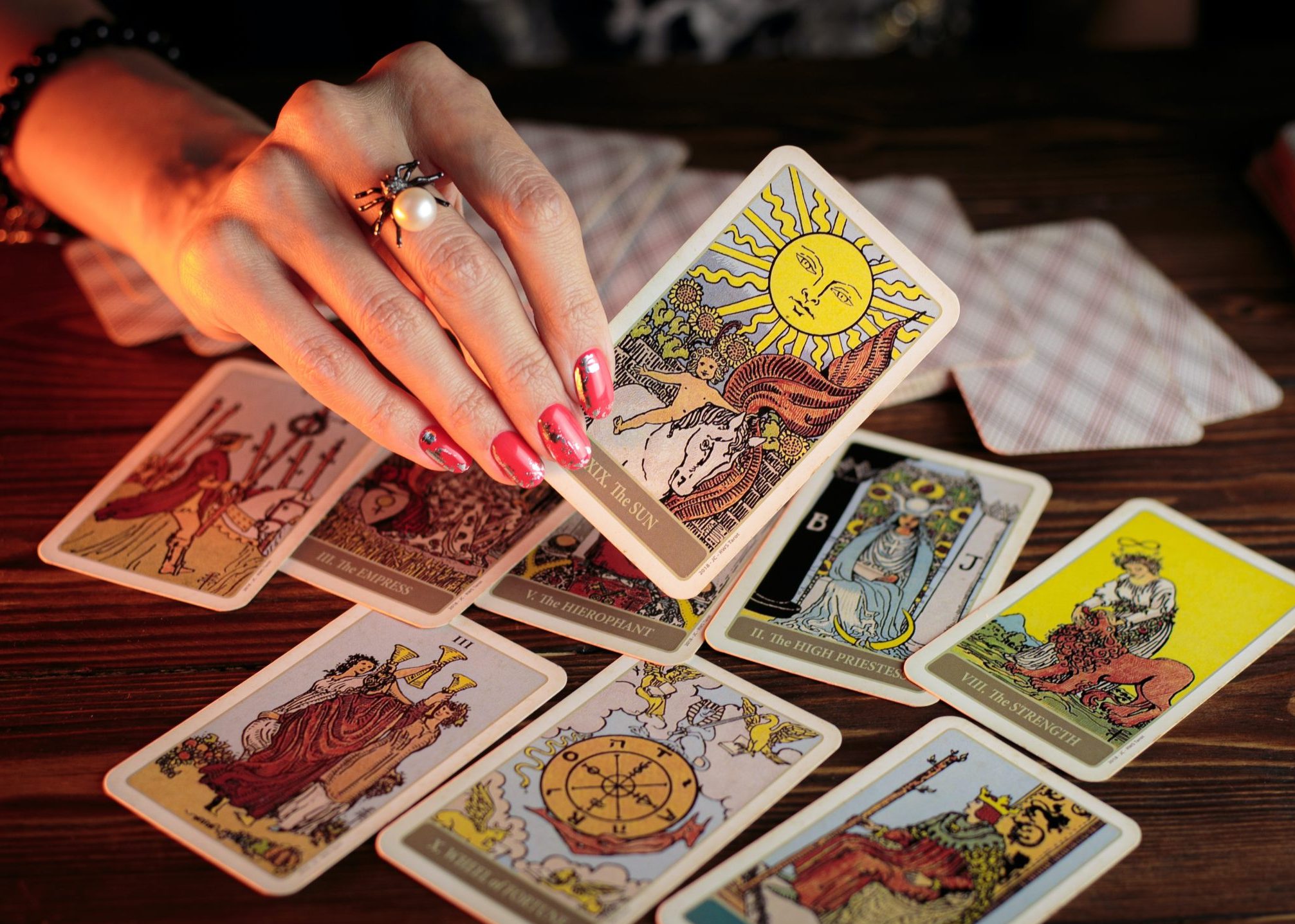
- Wheel of Fortune (X): This card illustrates the cyclical nature of life, resonating with biblical themes of providence. It invites believers to trust in God’s timing and grace amidst life’s uncertainties.
- Justice (XI): Justice represents fairness and accountability. It serves as a reminder of God’s righteousness, posting a challenge to believers to pursue justice in their own lives, advocating for the marginalized.
- The Hanged Man (XII): Emphasizing the need for surrender, this card encourages letting go of preconceived notions. Much like Christ’s sacrifice, it beckons individuals to embrace patience and gain new perspectives through suffering.
- Death (XIII): Often daunting in its imagery, Death denotes transformation rather than an end. It speaks to the Christian belief in renewal and resurrection, promising that in death, new life can emerge.
- Temperance (XIV): The embodiment of moderation, Temperance advocates for balance and self-control. This mirrors the Christian call for temperate living, steering believers towards harmonious relationships with themselves, others, and God.
- The Devil (XV): This card does not embody evil but serves as a reminder of the bondage of vice and temptation. It emphasizes the importance of recognizing sin and the strength found in seeking redemption through faith.
- The Tower (XVI): Signifying upheaval and revelation, The Tower can reflect divine intervention in human affairs. Christians may interpret its message as a wake-up call, prompting reflection and growth through adversity.
- The Star (XVII): A beacon of hope, The Star symbolizes divine guidance. It encourages believers to remain hopeful and trust in God’s promise of renewal and healing, even during dark times.
- The Moon (XVIII): This card signifies illusion and the subconscious. It invites believers to confront fears and discern truths, paralleling the Christian journey of confronting doubt with faith.
- The Sun (XIX): Representing warmth, joy, and vitality, The Sun radiates positivity and divine blessings. It reflects the ultimate hope for eternal life through faith in Christ.
- Judgment (XX): Signifying redemption and awakening, Judgment embodies the call to self-accountability and transformation—echoing biblical promises of grace and forgiveness for the repentant.
- The World (XXI): Embodying completion and harmony, The World celebrates the fulfillment of life’s journey. It invites believers to find purpose in their spiritual walk, highlighting the importance of unity with God and creation.
Minor Arcana
The Minor Arcana is divided into four suits, reflecting aspects of daily life, and comprises the Cups, Pentacles, Swords, and Wands. Each suit holds deeper meanings that intersect with Christian values.
- Cups: Associated with emotions and relationships, this suit emphasizes the significance of love and faith. It symbolizes the nourishment of the soul through connections with others and with God.
- Pentacles: Representing material aspects and the physical realm, Pentacles invite reflection on stewardship, responsibility, and the divine provision in everyday life.
- Swords: Associated with challenges, conflict, and the intellect, this suit prompts believers to engage with their thoughts critically and to confront adversities with faith and resilience.
- Wands: Known for its symbolism of creativity and action, Wands resonate with the divine inspiration that encourages believers to pursue their passions for a greater purpose.
In conclusion, viewing Tarot cards through a Christian perspective offers a unique opportunity for reflection and introspection. The symbolism deeply resonates with the tenets of faith, emphasizing the cyclical nature of life’s challenges and blessings. While the use of tarot may not align with traditional Christian practices, its narrative speaks to the universal human experience, inviting believers to discern and contemplate their spiritual journeys in the light of truth and grace.
FAQ
What is the significance of the Major Arcana in Tarot?
The Major Arcana consists of 22 cards representing significant life themes and spiritual lessons, often reflecting important archetypes and journeys.
How can Tarot cards be interpreted from a Christian perspective?
From a Christian perspective, Tarot cards can symbolize moral lessons, spiritual growth, and reflections on faith, rather than divination, emphasizing themes like redemption, love, and divine guidance.
What do the suits of the Minor Arcana represent?
The Minor Arcana suits—Cups, Pentacles, Swords, and Wands—represent emotions and relationships, material and physical aspects, challenges and intellect, and creativity and action, respectively.
Is Tarot compatible with Christian beliefs?
While traditional Christian teachings often view Tarot with skepticism due to its divinatory use, some interpret the cards symbolically to reflect Christian values and spiritual journeys.
How can Tarot aid in spiritual reflection?
Tarot can serve as a tool for introspection and meditation, helping individuals contemplate moral choices, personal growth, and their relationship with divine providence.
Leave a Reply