Short Answer
In this comprehensive guide, you’ll explore the transformative power of Osho Zen Tarot—a deck that promises to shift your perspective and ignite curiosity about life’s deepest questions. Whether you’re a seasoned tarot reader or a curious beginner, this article will uncover the philosophy, structure, and practical applications of the Osho Zen Tarot. You’ll learn how its unique blend of Eastern wisdom and modern symbolism can help you navigate challenges, embrace change, and discover new layers of self-awareness. By the end, you’ll understand why this deck stands out as a tool for personal growth and spiritual exploration.
The Philosophy Behind Osho Zen Tarot
The Osho Zen Tarot is not just a deck of cards; it’s a gateway to a deeper understanding of life’s mysteries. Rooted in Zen Buddhism and the teachings of Osho (Bhagwan Shree Rajneesh), this tarot deck merges Eastern spirituality with the intuitive symbolism of traditional tarot. Unlike conventional tarot decks, which often rely on medieval imagery, the Osho Zen Tarot embraces simplicity, spontaneity, and the present moment. Its philosophy revolves around the idea that enlightenment isn’t a distant goal but a living experience available here and now.
The deck’s creator, Osho, was a spiritual teacher who emphasized the importance of dropping preconceived notions and embracing life with an open heart. The Osho Zen Tarot reflects this ethos by encouraging users to see beyond rigid interpretations and trust their inner wisdom. The cards are designed to disrupt conventional thinking, prompting you to question assumptions and explore alternative perspectives. This approach makes the deck particularly powerful for those seeking to break free from mental patterns and cultivate a more fluid, adaptable mindset.
Structure and Symbolism of the Deck
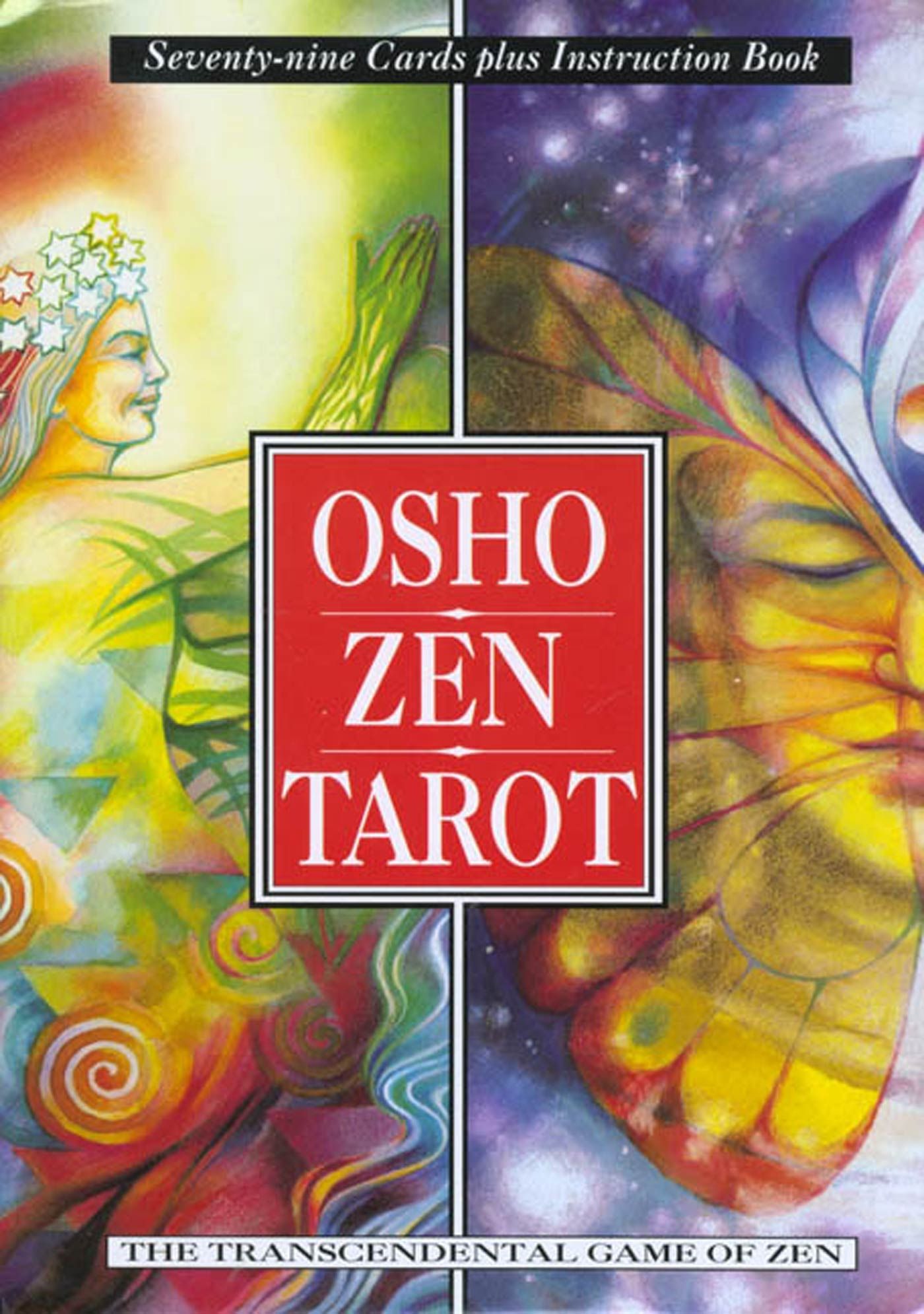
The Osho Zen Tarot consists of 79 cards, including the traditional 78 tarot cards plus an additional “The Empty Circle” card. The deck is divided into two main sections: the Major Arcana and the Minor Arcana. The Major Arcana, which represents life’s significant themes and spiritual lessons, includes 22 cards, each carrying profound symbolic meaning. The Minor Arcana, comprising 56 cards, mirrors the standard tarot structure but is infused with Zen-inspired imagery and themes.
One of the most striking features of the Osho Zen Tarot is its use of abstract and minimalist designs. Unlike the detailed, narrative-driven imagery of decks like the Rider-Waite, the Osho Zen Tarot employs bold colors, simple shapes, and evocative symbols to convey its messages. For example, “The Fool” card is represented by a lone figure walking toward a cliff, symbolizing the leap of faith required to embrace the unknown. Similarly, “The Lovers” card features two figures in a dynamic embrace, illustrating the union of opposites and the harmony found in duality. These designs are intentionally open-ended, inviting users to project their own interpretations and meanings onto the cards.
The additional “The Empty Circle” card serves as a wildcard, representing the void—the space from which all creation emerges. This card encourages users to reflect on the concept of emptiness as a source of potential and transformation. Together, these elements create a deck that is both visually striking and philosophically rich, offering a fresh lens through which to view life’s challenges and opportunities.
How Osho Zen Tarot Promises a Shift in Perspective
At its core, the Osho Zen Tarot is designed to jolt you out of autopilot thinking and into a state of heightened awareness. The deck’s philosophy hinges on the idea that our perceptions shape our reality, and by changing how we see the world, we can change our experience of it. This shift in perspective is not about predicting the future but about gaining clarity on the present moment and the choices available to you.
One way the Osho Zen Tarot facilitates this shift is through its emphasis on paradox and contradiction. Many of the cards present seemingly opposing ideas that, when held together, reveal deeper truths. For example, the “Death” card, which traditionally symbolizes transformation, is depicted as a skeleton dancing—a reminder that endings are also beginnings. This duality encourages users to embrace change rather than resist it, fostering a mindset of acceptance and adaptability. Similarly, the “Tower” card, often associated with sudden upheaval, is illustrated with a tree struck by lightning, symbolizing the destruction of illusions to make way for growth.
The deck also challenges users to question their attachments to outcomes. In a culture that often prioritizes control and certainty, the Osho Zen Tarot invites you to surrender to the flow of life. Cards like “The Moon” and “The Star” emphasize intuition and trust in the unknown, reminding you that not everything needs to be analyzed or planned. This perspective can be liberating, especially for those who feel trapped by rigid expectations or fear of the future.
Piquing Curiosity: The Art of Interpretation
The Osho Zen Tarot is less about memorizing traditional meanings and more about engaging with the cards intuitively. This approach can feel unsettling at first, especially for those accustomed to structured tarot readings. However, it’s precisely this open-endedness that makes the deck so intriguing. By leaving room for personal interpretation, the Osho Zen Tarot encourages you to explore your own psyche and uncover hidden layers of meaning.
One effective way to work with the deck is to focus on the emotions and sensations it evokes rather than trying to “decode” its symbols. For instance, if the “Hermit” card appears in a reading, instead of immediately thinking of solitude or introspection, ask yourself: What does this card make me feel? Does it resonate with a current situation in my life? The goal is to let the imagery and themes spark a dialogue with your subconscious, rather than imposing a rigid interpretation.
The deck’s minimalist design plays a crucial role in this process. With fewer distractions, the mind is free to make connections and associations that might otherwise go unnoticed. This can lead to profound insights, especially when exploring complex questions or dilemmas. For example, pulling the “Wheel of Fortune” card might prompt you to reflect on cycles of change in your life, while “Judgment” could inspire a review of past decisions and their consequences. The more you engage with the Osho Zen Tarot, the more it reveals about your inner landscape.
Practical Applications for Personal Growth
The Osho Zen Tarot is a versatile tool that can be used in various ways to support personal growth. Whether you’re seeking clarity on a specific issue, exploring your spiritual path, or simply looking to cultivate mindfulness, this deck offers a unique approach to self-discovery. Here are some practical ways to incorporate it into your routine:
- Daily Draws: Pull a single card each morning to set an intention for the day. Reflect on how the card’s themes might apply to your current challenges or opportunities.
- Meditation and Journaling: Use the cards as focal points for meditation or journaling prompts. Write about the emotions or memories they evoke, and explore how these insights relate to your life.
- Shadow Work: The Osho Zen Tarot can be a powerful tool for exploring the shadow self—the parts of ourselves we often ignore or suppress. Cards like “The Devil” or “The Tower” can bring these hidden aspects to light, offering an opportunity for healing and integration.
- Relationship Readings: Use the deck to gain perspective on relationships, whether romantic, familial, or professional. Cards like “The Lovers” or “Two of Cups” can highlight dynamics of connection and conflict.
- Creative Inspiration: Artists, writers, and creators can use the Osho Zen Tarot as a muse. Let the cards inspire stories, poems, or visual art that explores their themes.
To maximize the deck’s potential, approach it with an open mind and a willingness to be surprised. The Osho Zen Tarot thrives on curiosity, so resist the urge to seek definitive answers. Instead, let the cards guide you toward questions that matter most.
Conclusion
The Osho Zen Tarot is more than a divination tool; it’s a catalyst for transformation. By promising a shift in perspective and piquing curiosity, this deck invites you to see the world—and yourself—in a new light. Its blend of Zen philosophy and tarot symbolism creates a space for deep reflection, intuitive exploration, and personal growth. Whether you’re drawn to its minimalist aesthetic, its philosophical depth, or its promise of enlightenment, the Osho Zen Tarot offers a path to greater self-awareness and inner freedom.
As you engage with the deck, remember that its power lies not in predicting the future but in illuminating the present. Each card is a mirror, reflecting back to you the patterns, possibilities, and paradoxes of your own mind. Embrace the journey with curiosity and an open heart, and you may find that the Osho Zen Tarot becomes more than a tool—it becomes a companion on your path to awakening.
FAQ
What is the Osho Zen Tarot?
A tarot deck integrating Zen Buddhist philosophy with traditional tarot symbolism to foster spiritual enlightenment and personal growth.
How does Osho Zen Tarot differ from other tarot decks?
It emphasizes present moment awareness, intuitive interpretation, and abstract symbolism instead of medieval imagery and predictive readings.
Who created the Osho Zen Tarot?
The deck is inspired by the teachings of Osho, a spiritual teacher known for his emphasis on dropping preconceived notions and embracing life openly.
Can the Osho Zen Tarot be used for daily guidance?
Yes, users often pull a daily card to set intentions and reflect on present challenges or opportunities.
What types of readings work well with this deck?
It suits intuitive, personal, and meditative readings including shadow work, relationship insights, and creative inspiration.
Leave a Reply