Short Answer
Dive into the enigmatic world of tarot as we explore the profound connection between Persona tarot meanings and the shadow self. This guide unravels how these mystical cards serve as mirrors to your inner darkness, offering clarity, empowerment, and self-discovery. Whether you’re a seasoned tarot reader or a curious beginner, you’ll uncover the hidden layers of your psyche through the lens of archetypal imagery and symbolic storytelling.
The Persona and Shadow Self: A Dance of Duality
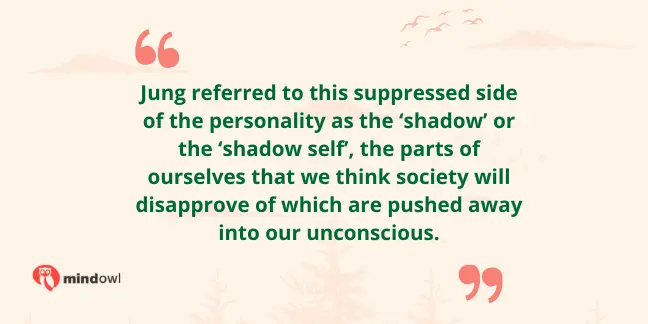
The concept of the persona and shadow self originates from Carl Jung’s analytical psychology, where the persona represents the mask we wear in social interactions—a curated version of ourselves designed to fit societal expectations. Conversely, the shadow self embodies the repressed, darker aspects of our personality that we often deny or ignore. Tarot, with its rich tapestry of symbols, acts as a bridge between these two realms, illuminating the hidden facets of our being.
When you draw a tarot card, you’re not just interpreting an image; you’re engaging in a dialogue with your subconscious. Cards like The Devil or Strength may reveal the shadow’s grip on your life, while The Magician or High Priestess could symbolize the persona’s attempt to control or suppress these instincts. The interplay between these forces creates a dynamic tension that tarot helps you navigate.
Key Tarot Cards and Their Shadow Self Meanings
Certain tarot cards resonate deeply with the shadow self, each carrying a unique message about the hidden aspects of your psyche. Below are some of the most revealing cards and their interpretations:
The Devil (XV)

The Devil card is the quintessential shadow self embodiment. It represents addiction, obsession, and the chains that bind you to unhealthy patterns. In the context of the shadow, this card urges you to confront the toxic behaviors or relationships that drain your energy. Are you clinging to a persona that no longer serves you? The Devil asks you to break free from these illusions and reclaim your autonomy.
Seven of Swords

This card often signifies deceit, whether directed outward or inward. In the shadow self narrative, the Seven of Swords may highlight self-deception—ignoring truths about yourself or others to maintain a false persona. It’s a call to honesty, urging you to peel back the layers of denial and face reality. What truths have you been avoiding?
Three of Cups (Reversed)
When the Three of Cups appears reversed, it often points to loneliness, gossip, or unresolved emotions tied to past relationships. From a shadow perspective, this card may reveal repressed jealousy, envy, or feelings of exclusion. It’s a reminder that your shadow self thrives in secrecy—acknowledging these emotions is the first step toward healing and integration.
How to Work with the Shadow Self Through Tarot
Engaging with your shadow self via tarot is a transformative practice. Here’s how to approach it:
- Journaling: After drawing a card, write about its personal significance. Does it resonate with a hidden fear, desire, or memory? Explore these connections without judgment.
- Meditation: Visualize the card’s imagery while meditating. Allow the symbols to evoke emotions or memories. What insights arise?
- Shadow Work Prompts: Use tarot as a catalyst for deeper reflection. For example, if you draw The Tower, ask: “What foundations in my life need to crumble to reveal my true self?”
- Rituals: Create a small ritual around your tarot practice, such as lighting a candle or using crystals like black tourmaline for grounding. This sets the intention to confront and integrate your shadow.
The Unique Appeal of Persona Tarot Readings
Persona tarot readings stand out for their ability to blend archetypal storytelling with personal introspection. Unlike traditional tarot, which often focuses on future predictions, persona tarot delves into the why behind your experiences. It’s less about fortune-telling and more about self-awareness—helping you understand the masks you wear and the shadows you carry.
The visual language of persona tarot is particularly striking. Cards often feature characters from mythology, pop culture, or surreal art, making the messages more relatable and engaging. For instance, a card depicting a character from Persona 5 might symbolize rebellion against societal norms, mirroring your own struggles with conformity. This fusion of modern and archetypal imagery creates a dynamic, accessible entry point into shadow work.
Common Misconceptions About the Shadow Self
Many people shy away from shadow work due to misconceptions about the shadow self being purely “negative” or “evil.” In reality, the shadow is neutral—it’s a repository of untapped potential, creativity, and raw emotion. Here are some myths debunked:
- Myth: The shadow self is something to fear. Truth: It’s a part of you that deserves compassion, not suppression. Ignoring it only gives it more power.
- Myth: Shadow work is about dwelling on the past. Truth: It’s about acknowledging the past to free yourself for the future. The goal isn’t to wallow but to integrate.
- Myth: Only “broken” people need to do shadow work. Truth: Everyone has a shadow self. It’s a universal human experience, not a sign of weakness.
Conclusion
Persona tarot meanings offer a gateway to understanding the intricate dance between your persona and shadow self. By interpreting these cards, you gain not only self-awareness but also the tools to harness your hidden strengths and confront your deepest fears. The shadow self, when embraced, becomes a source of power rather than a burden. It teaches you resilience, authenticity, and the courage to live unapologetically.
As you continue your tarot journey, remember that the cards are not just tools for divination—they’re mirrors reflecting the vast landscape of your inner world. Whether you’re drawing The Moon to explore subconscious fears or The Star to reconnect with hope, each card is an invitation to know yourself more deeply. The persona may be the mask you show the world, but the shadow self is the truth that sets you free.
FAQ
What is the shadow self in tarot?
The shadow self represents the unconscious, hidden aspects of our personality, which tarot cards help reveal to foster self-awareness and healing.
Which tarot cards symbolize the shadow self?
Notable cards include The Devil, Seven of Swords, and the reversed Three of Cups, each highlighting different shadow themes like addiction, deceit, and repressed emotions.
How can tarot be used for shadow work?
By journaling, meditating on card imagery, using shadow work prompts, and performing rituals, tarot can guide you to confront and integrate your shadow self.
Is the shadow self harmful or negative?
No, the shadow self is neutral and contains potential for creativity and growth when acknowledged and integrated.
What distinguishes persona tarot readings?
They focus on archetypal storytelling and personal introspection, helping uncover the reasons behind experiences rather than predicting the future.
Leave a Reply