Short Answer
Ever wondered what secrets lie hidden in the Smith-Waite Tarot deck? Whether you’re a seasoned reader or just starting your journey, understanding the imagery, symbolism, and nuances of this iconic deck can deepen your connection to the cards. In this guide, we’ll explore the Smith-Waite Tarot’s history, its visual storytelling, and how the artist’s choices invite playful questions and challenges. By the end, you’ll see why this deck remains a timeless classic in the world of divination.
The Origins and Legacy of the Smith-Waite Tarot
The Smith-Waite Tarot, often simply called the Rider-Waite Tarot, is one of the most influential and widely used tarot decks in the world. First published in 1909 by the Rider Company, the deck was illustrated by Pamela Colman Smith under the guidance of mystic A.E. Waite. Unlike earlier decks that relied on traditional iconography, Smith’s illustrations introduced vibrant, narrative-driven scenes that made the cards more accessible and relatable.
What makes the Smith-Waite Tarot unique is its departure from the rigid, symbolic imagery of previous decks. Smith infused each card with her own artistic interpretation, blending esoteric traditions with her personal vision. This approach not only modernized the tarot but also made it a tool for storytelling, where every card invites curiosity and interpretation. The deck’s legacy endures because it bridges the gap between tradition and innovation, offering a rich tapestry of meaning for readers of all levels.
Meet the Artist: Pamela Colman Smith
Pamela Colman Smith, often referred to as “Pixie,” was a groundbreaking artist and occultist whose work on the Smith-Waite Tarot cemented her place in history. Born in 1878 in London, Smith was exposed to art and mysticism from an early age. Her collaboration with A.E. Waite began in 1909, and together they created a deck that would redefine tarot for generations.
Smith’s illustrations are deceptively simple yet deeply symbolic. She drew inspiration from her travels, literature, and her own spiritual experiences, infusing the cards with a sense of movement and emotion. For example, her depiction of the Fool as a carefree traveler stepping off a cliff reflects her belief in the tarot as a guide for life’s journeys. Her work on the Smith-Waite Tarot wasn’t just artistic—it was revolutionary, making the cards a mirror for the human experience.

Decoding the Imagery: What Do the Cards Really Show?
The Smith-Waite Tarot is renowned for its detailed, narrative-rich illustrations. Unlike earlier decks that featured abstract or repetitive designs, Smith’s cards tell a story, inviting readers to engage with the imagery on a deeper level. Each card is a snapshot of a moment, filled with symbols that hint at universal themes like love, conflict, transformation, and intuition.
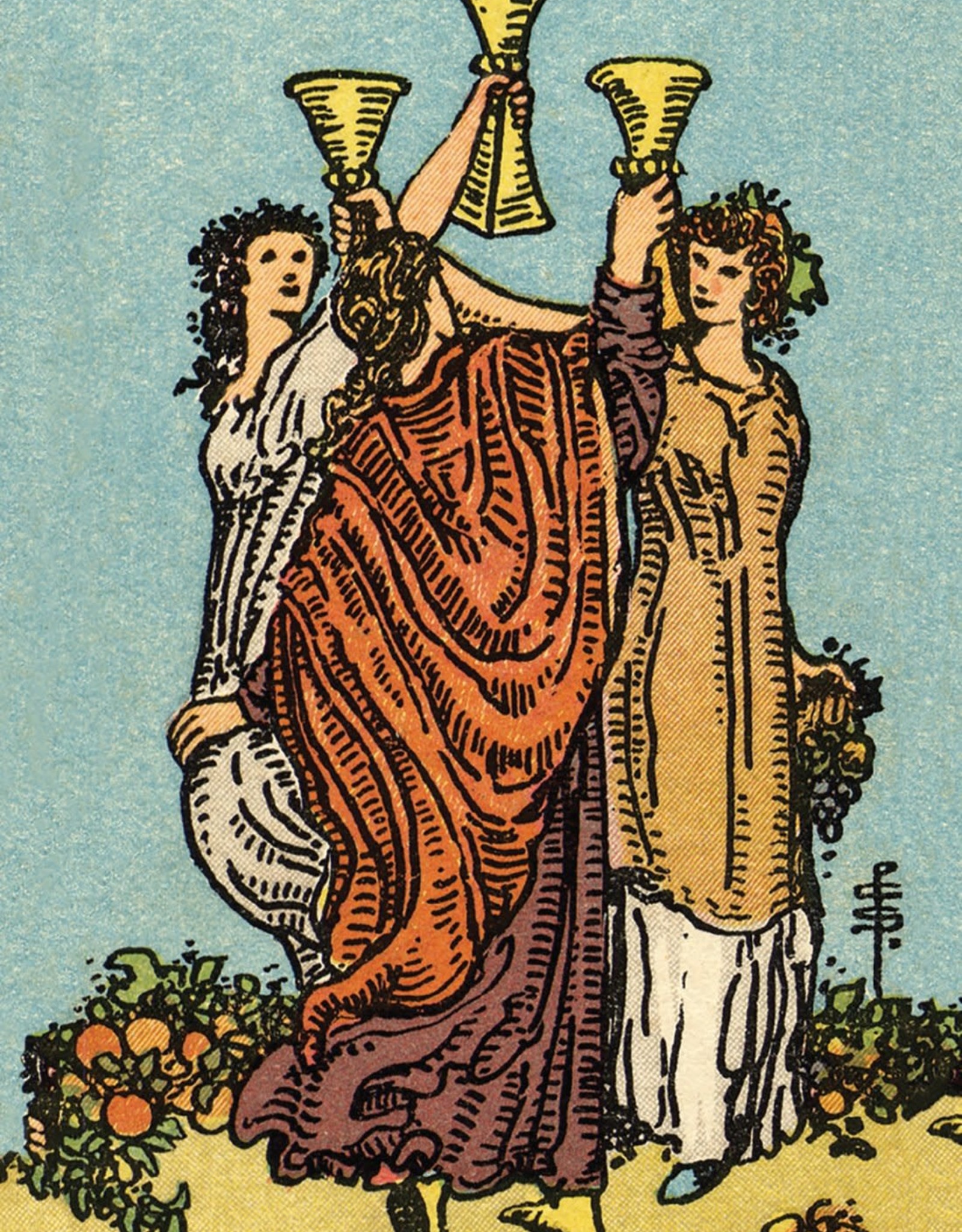
For instance, the Three of Cups depicts three women dancing in celebration, symbolizing joy, friendship, and community. The Hanged Man shows a figure suspended upside down, suggesting surrender, new perspectives, or a pause in life’s flow. These images aren’t just decorative—they’re visual metaphors that encourage readers to explore the nuances of each card’s meaning. By studying Smith’s artwork, you can uncover layers of interpretation that go beyond traditional guidebook definitions.
One playful challenge is to ask yourself: What story is this card telling? For example, the Page of Swords shows a young figure holding a sword aloft, with a look of determination. Is this a moment of discovery, a warning, or a call to action? Smith’s illustrations leave room for interpretation, making the Smith-Waite Tarot a dynamic tool for self-reflection and divination.
The Major Arcana: A Journey Through Life’s Archetypes
The Major Arcana consists of 22 cards that represent life’s grand themes and spiritual lessons. In the Smith-Waite Tarot, these cards are rich with symbolism, from the Magician wielding tools of creation to the Tower crumbling under the weight of sudden change. Smith’s illustrations bring these archetypes to life, making them feel tangible and relatable.
For example, the High Priestess sits between two pillars, holding a scroll, symbolizing intuition, mystery, and hidden knowledge. Her serene expression invites you to trust your inner voice. Meanwhile, the Death card—often misunderstood—depicts a skeletal figure on a white horse, but it’s not about literal death. Instead, it represents transformation, endings that lead to new beginnings, and the inevitability of change. Smith’s ability to convey these ideas visually is what makes the Smith-Waite Tarot so powerful.
To deepen your understanding, try pairing the Major Arcana cards with real-life events. For example, if you draw the Lovers card, consider how it might reflect a relationship, a choice, or even a decision about your values. Smith’s illustrations serve as a visual anchor, helping you connect the cards to your own experiences.
The Minor Arcana: Everyday Stories in Card Form
While the Major Arcana deals with life’s big questions, the Minor Arcana focuses on the everyday—relationships, challenges, and daily decisions. The Smith-Waite Tarot’s Minor Arcana is particularly notable for its storytelling approach. Each suit—Wands, Cups, Swords, and Pentacles—depicts scenes that feel like snapshots from a larger narrative.
For example, the Five of Cups shows a figure standing before three spilled cups, with two intact cups behind them. This card often represents loss or regret, but Smith’s illustration adds depth by showing the figure’s posture—stooped, as if weighed down by sorrow. Yet, the two upright cups suggest hope and resilience. This duality is a hallmark of Smith’s work, reminding readers that even in difficult times, there’s always room for healing.
Another example is the Knight of Wands, who is depicted riding a horse with a fiery energy, suggesting passion, adventure, and impulsiveness. His dynamic pose and the desert landscape in the background evoke a sense of movement and urgency. By studying these details, you can glean insights into the card’s meaning beyond the guidebook descriptions. The Minor Arcana in the Smith-Waite Tarot isn’t just a set of symbols—it’s a visual diary of human experiences.
Playing with the Smith-Waite Tarot: Challenges and Games
The Smith-Waite Tarot isn’t just for serious readings—it’s also a playful tool for exploration. One fun way to engage with the deck is to create your own challenges or games. For example, try drawing three cards and inventing a story based on their imagery. How do the cards connect? What themes or emotions do they evoke?
Another challenge is to focus on a single card and ask: What if this card were a character in my life? For instance, if you draw the Queen of Pentacles, imagine her as a nurturing figure in your life. What advice would she offer? How does her presence change your perspective? Smith’s illustrations make this kind of imaginative play easy, as each card feels like a living, breathing entity.
You can also use the Smith-Waite Tarot to spark creativity. Try using a card as a writing prompt or a visual inspiration for art. The deck’s rich imagery is a treasure trove for artists, writers, and anyone looking to explore their imagination. By approaching the tarot with curiosity and playfulness, you’ll uncover new layers of meaning in the cards.
Conclusion
The Smith-Waite Tarot is more than just a deck of cards—it’s a gateway to storytelling, self-discovery, and creative exploration. Pamela Colman Smith’s illustrations breathe life into the tarot, making each card a window into deeper truths. Whether you’re drawn to the Major Arcana’s archetypal journey or the Minor Arcana’s everyday scenes, the Smith-Waite Tarot offers endless possibilities for interpretation and connection.
So, the next time you shuffle the deck, take a moment to really look at the cards. Ask yourself: What is this card trying to tell me? What story does it hold? And most importantly, how can I use its wisdom in my own life? The Smith-Waite Tarot isn’t just a tool—it’s an invitation to see the world with fresh eyes, one card at a time.
FAQ
What is the Smith-Waite Tarot deck?
The Smith-Waite Tarot deck, also known as Rider-Waite Tarot, is a widely used tarot deck illustrated by Pamela Colman Smith under A.E. Waite's guidance, known for its rich symbolism and narrative imagery.
Who was Pamela Colman Smith?
Pamela Colman Smith was the artist and occultist who illustrated the Smith-Waite Tarot deck, bringing a unique and revolutionary storytelling approach to tarot imagery.
How does the Smith-Waite Tarot differ from earlier tarot decks?
Unlike earlier decks that used more abstract or symbolic imagery, the Smith-Waite Tarot features detailed, narrative scenes that make the cards more accessible and relatable.
What are the Major and Minor Arcana in the Smith-Waite Tarot?
The Major Arcana consists of 22 cards representing life's archetypal themes, while the Minor Arcana includes four suits depicting everyday experiences and challenges.
How can I use the Smith-Waite Tarot for creative exploration?
You can use the cards as writing prompts, inspiration for art, or by creating storytelling games that connect the imagery to personal experiences.
Leave a Reply