Short Answer
In this comprehensive guide, you’ll explore the deep connection between the 5 of Pentacles tarot card and the scarcity mindset. You’ll learn what this mindset is, why it develops, and how the 5 of Pentacles symbolizes its emotional and psychological impact. By the end, you’ll have actionable insights to recognize scarcity thinking in your life and practical steps to shift toward an abundance mindset. Whether you’re new to tarot or familiar with its symbolism, this guide will help you understand how financial and emotional struggles are reflected in this powerful card.
The 5 of Pentacles: A Visual Guide to Scarcity
The 5 of Pentacles is one of the most visually striking cards in the tarot deck. It typically depicts two figures walking through a snowy landscape, often outside a stained-glass window of a church. The figures appear cold, isolated, and burdened—one is on crutches, the other walks barefoot in the snow. The church window behind them glows with warm light, suggesting a place of refuge or support that they are not accessing.
This imagery powerfully represents the experience of scarcity. The two figures symbolize feelings of lack, isolation, and emotional or financial hardship. The snow and cold reflect the harshness of their situation, while the warm light inside the church represents the abundance and support that exists but is not being received. This contrast highlights a key theme: scarcity is often a state of mind as much as a reality. The card suggests that even when help is available, fear, pride, or self-doubt can prevent us from reaching out or recognizing opportunities.

What Is a Scarcity Mindset?
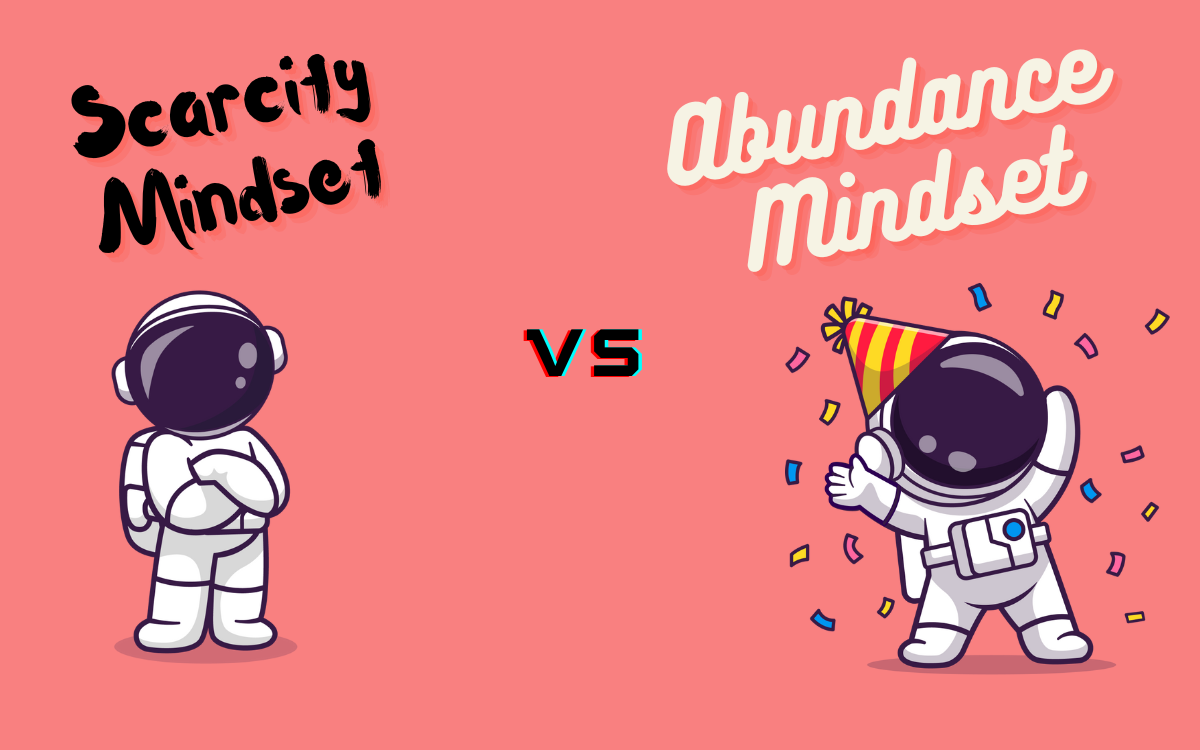
A scarcity mindset is a way of thinking that focuses on what is lacking rather than what is available. It’s the belief that resources—whether money, time, love, or opportunities—are limited, and that you must compete or hoard to survive. This mindset often leads to feelings of anxiety, stress, and a sense of never having enough.
People with a scarcity mindset may constantly worry about bills, feel guilty when spending money on themselves, or believe that others’ success comes at their expense. It’s not just about finances; it can extend to relationships, career growth, and personal well-being. The scarcity mindset is deeply rooted in fear—fear of loss, failure, or not being good enough. Over time, this way of thinking can become a self-fulfilling prophecy, reinforcing the very lack it fears.
How the 5 of Pentacles Reflects Scarcity in Life
The 5 of Pentacles doesn’t just represent financial poverty—it symbolizes emotional and psychological poverty as well. The two figures are walking past the church, ignoring the light and warmth inside. This suggests that scarcity isn’t always about external circumstances; it’s often about internal barriers. You might have the resources you need, but fear, shame, or past experiences prevent you from accessing them.
For example, someone might avoid asking for help due to pride, believing they should handle everything alone. Or they might feel unworthy of support, convinced they don’t deserve it. The card also hints at the isolation that comes with scarcity. When you’re stuck in a scarcity mindset, it’s easy to feel alone in your struggles, as if no one else understands or cares. This isolation can deepen the sense of lack and make it harder to break free from the cycle.
The Roots of Scarcity Thinking
Scarcity mindsets often develop from early life experiences. Growing up in a household where money was tight, where love was conditional, or where failure was met with harsh criticism can plant the seeds of scarcity. These experiences teach us that resources are scarce, that love is earned, and that mistakes are unacceptable. Over time, these beliefs become automatic, shaping how we see the world and ourselves.
Cultural and societal messages also play a role. Advertising constantly tells us we need more to be happy. Social media highlights the success of others, making us feel like we’re falling behind. Even well-meaning advice, like “save for a rainy day,” can reinforce scarcity if it’s rooted in fear rather than trust. Recognizing these influences is the first step toward changing your mindset.
Breaking Free: From Scarcity to Abundance
Shifting from a scarcity mindset to an abundance mindset starts with awareness. Notice when you’re thinking in terms of lack. Are you saying things like “I’ll never have enough” or “There’s not enough to go around”? These phrases reinforce scarcity. Instead, try reframing them. For example, “I have enough to get by today” or “There are opportunities I haven’t explored yet.”
Practical steps can also help. Start by practicing gratitude—even for small things like a warm meal or a kind word. Gratitude shifts your focus from what’s missing to what’s present. Seek support when you need it, whether it’s financial advice, emotional help, or community resources. Remember, asking for help isn’t a sign of weakness; it’s a sign of strength and self-awareness. Finally, challenge the belief that resources are finite. Abundance isn’t about having everything; it’s about trusting that you have what you need when you need it.
Applying the 5 of Pentacles to Personal Growth
The 5 of Pentacles isn’t just a warning; it’s a call to action. It asks you to examine where you’re ignoring the warmth and support around you. Are you walking past opportunities because of fear or pride? Are you isolating yourself when help is available? Use this card as a mirror to reflect on your own relationship with scarcity.
Journaling can be a powerful tool here. Write about a time when you felt stuck in lack. What were you afraid of? What support did you overlook? How did it feel to finally reach out or accept help? Reflecting on these moments can reveal patterns and help you make different choices in the future. You can also use affirmations to reinforce abundance. Try repeating phrases like “I am open to receiving” or “There is enough for everyone, including me.”
Conclusion
The 5 of Pentacles and the scarcity mindset are deeply intertwined. This card reminds us that scarcity isn’t just about what’s in our bank account; it’s about what we believe we deserve and what we’re willing to accept. By recognizing the signs of scarcity—fear, isolation, and a focus on lack—you can begin to shift your perspective. Abundance isn’t about having more; it’s about trusting that you have enough. It’s about seeing the warm light in the church window and choosing to walk toward it, even when the path feels cold and uncertain.
Changing a scarcity mindset takes time and practice, but it’s possible. Start small. Notice your thoughts. Reach out for support. Practice gratitude. Over time, these actions will rewire your brain to see abundance everywhere. The 5 of Pentacles doesn’t have to be a permanent state—it can be a turning point, a moment of realization that leads to growth, healing, and a richer, more fulfilling life.
FAQ
What is the scarcity mindset?
A scarcity mindset focuses on lack and limitation, leading to anxiety and fear about resources such as money, time, or love being insufficient.
How does the 5 of Pentacles illustrate emotional struggles?
The card's imagery of isolation and ignoring help symbolizes emotional poverty and internal barriers like fear and shame.
Why is shifting to an abundance mindset important?
An abundance mindset helps reduce fear and stress by focusing on available resources, opportunities, and support, fostering personal growth and well-being.
Can tarot help with understanding personal growth?
Yes, tarot cards like the 5 of Pentacles can provide symbolic insights into personal challenges and encourage reflection and positive change.
Leave a Reply