Short Answer
Welcome to a deep dive into the mystical world of Tarot Draconis, a deck that blends ancient tarot symbolism with the raw power of dragon mythology. In this guide, you’ll explore the striking imagery, symbolic meanings, and unique appeal of these cards. Whether you’re a seasoned tarot reader or a curious newcomer, this article will illuminate the hidden layers of Draconis and how its dragon-themed art can enrich your divination practice. Discover the stories behind the cards, the metaphors they evoke, and why this deck stands out in a sea of tarot traditions.
The Essence of Tarot Draconis: A Fusion of Myth and Divination
Tarot Draconis is more than just a deck of cards—it’s a bridge between the mystical and the mythical. Unlike traditional tarot decks, which often draw from medieval European symbolism, Draconis infuses its imagery with the fiery spirit of dragons. These mythical creatures, revered across cultures as symbols of power, wisdom, and transformation, lend the deck a sense of primal energy and ancient magic. Each card in the Major and Minor Arcana is reimagined through the lens of dragon lore, creating a visual and symbolic tapestry that feels both familiar and entirely new.
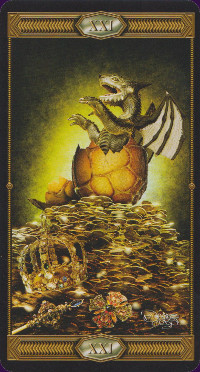
The deck’s art is a feast for the eyes, with illustrations that range from ethereal and dreamlike to bold and dramatic. Dragons are depicted in a variety of styles—some as guardians of wisdom, others as embodiments of chaos or transformation. This diversity ensures that the deck appeals to a wide range of aesthetic preferences while maintaining a cohesive thematic thread. The use of rich colors, intricate details, and dynamic compositions makes each card a standalone piece of art, inviting contemplation and interpretation.
Major Arcana: Dragons as Archetypes of Transformation
The Major Arcana in Tarot Draconis is where the deck’s unique metaphorical language shines brightest. Here, dragons are not just creatures but archetypes that embody the journey of the Fool. For example, The Magician is often depicted as a dragon wielding elemental forces, symbolizing mastery over the tools of creation. The High Priestess might appear as a dragon perched atop a moonlit mountain, her scales shimmering with lunar energy, representing hidden knowledge and intuition. These reinterpretations breathe new life into classic tarot meanings, offering fresh perspectives on personal growth and spiritual evolution.
Consider Death, a card traditionally associated with transformation and endings. In Draconis, this card might feature a dragon shedding its old skin, a powerful metaphor for rebirth and renewal. Similarly, The Tower could show a dragon in mid-flight, its wings ablaze as it shatters the illusions of a crumbling tower, illustrating the sudden upheavals that clear the path for growth. These dragon-infused interpretations add a layer of primal energy to the tarot’s traditional themes, making the messages feel more visceral and immediate.
Minor Arcana: Dragons in Everyday Life
The Minor Arcana in Tarot Draconis infuses the everyday with a touch of dragon magic. The suits—typically Wands, Cups, Swords, and Pentacles—are reimagined with dragon motifs that reflect their elemental associations. For instance, the Wands suit might feature dragons breathing fire, symbolizing passion, creativity, and ambition. The Cups suit could depict dragons in serene waters, representing emotions, relationships, and intuition. These visual metaphors make the Minor Arcana feel more dynamic and relatable, as the dragons act as guides through life’s daily challenges and joys.
Each card in the Minor Arcana also carries a unique twist. The Three of Swords, for example, might show a dragon with a wounded heart, its scales pierced by three swords, illustrating heartbreak or betrayal. The Ten of Pentacles could feature a dragon guarding a hoard of treasure, symbolizing legacy, family, and abundance. These interpretations encourage readers to see the dragons not just as mythical beings but as reflections of their own experiences and emotions. The result is a deck that feels deeply personal and universally resonant.
The Unique Appeal of Tarot Draconis: Why Dragons Resonate
What makes Tarot Draconis so captivating is its ability to tap into the universal fascination with dragons. Across cultures, dragons have been symbols of power, mystery, and the unknown. They represent the untamed aspects of nature, the depths of the subconscious, and the potential for transformation. By incorporating these mythical creatures into tarot, the deck taps into a collective unconscious that resonates deeply with many people. The dragons in Draconis are not mere decorations; they are active participants in the divination process, acting as messengers, guides, and mirrors to the reader’s soul.
The deck’s appeal also lies in its versatility. Whether you’re drawn to the aesthetic beauty of the illustrations, the rich symbolism, or the fresh take on traditional tarot meanings, there’s something in Draconis for everyone. It’s a deck that can be used for serious spiritual work or simply enjoyed as a piece of art. The dragons add a layer of excitement and wonder, making the act of pulling cards feel like an adventure rather than a routine practice. For those who feel disconnected from traditional tarot imagery, Draconis offers a refreshing alternative that feels both ancient and modern.
How to Work with Tarot Draconis: Tips and Techniques
Using Tarot Draconis effectively requires an openness to its unique symbolism. Start by familiarizing yourself with the deck’s imagery and the stories behind each card. Spend time meditating on the dragons and what they represent to you personally. You might ask yourself: What emotions or memories do these creatures evoke? How do they reflect my current life situation? This personal connection will deepen your readings and make the messages more meaningful.
When pulling cards, pay attention to the dragons’ actions and expressions. Are they fierce, gentle, or contemplative? These details can offer clues about the energy surrounding your question or situation. For example, a dragon coiled in a defensive stance might indicate a need for protection or boundaries, while a dragon soaring freely could symbolize liberation or newfound freedom. Experiment with different spreads to see how the dragons interact with the cards around them. You might find that certain positions in a spread—such as past, present, or future—take on new significance when viewed through the lens of dragon mythology.
It’s also helpful to keep a journal of your readings with Tarot Draconis. Note the cards you pull, the dragons’ appearances, and any insights or messages that arise. Over time, you’ll start to see patterns and connections that deepen your understanding of the deck and its unique language. Don’t be afraid to trust your intuition—after all, the dragons are there to guide you, not to dictate rigid interpretations.
Conclusion: Embracing the Dragon’s Wisdom
Tarot Draconis is a deck that invites you to explore the boundaries between myth and reality, between the known and the unknown. Its dragon-themed imagery adds a layer of depth and excitement to traditional tarot readings, making each card a portal to deeper self-discovery. Whether you’re drawn to the deck’s aesthetic beauty, its rich symbolism, or its fresh take on divination, one thing is certain: working with Tarot Draconis is an experience that lingers long after the cards are put away.
The dragons in this deck are more than just illustrations—they are teachers, guardians, and mirrors to the soul. They challenge you to confront your fears, embrace your power, and trust in the transformative journey of life. As you delve into the world of Tarot Draconis, remember that the dragons are with you, their fiery wisdom guiding you toward clarity and growth. Whether you’re a seasoned tarot reader or a curious beginner, this deck offers a unique and enchanting path to self-discovery and spiritual exploration.
FAQ
What is Tarot Draconis?
Tarot Draconis is a tarot deck that integrates dragon mythology with traditional tarot symbolism, offering unique dragon-themed artwork and interpretations.
How are dragons depicted in the Major Arcana?
In the Major Arcana, dragons represent archetypes of transformation, power, wisdom, and spiritual growth, reimagining classic cards like The Magician and Death.
What makes the Minor Arcana in Tarot Draconis unique?
The Minor Arcana features dragon motifs aligned with the elemental suits, such as fire-breathing dragons for Wands and water dragons for Cups, adding dynamic symbolism to everyday life aspects.
Who can benefit from using Tarot Draconis?
Both seasoned tarot readers and beginners can benefit from Tarot Draconis, as its rich symbolism and artistic designs offer fresh perspectives and intuitive guidance.
Are there any tips for reading with Tarot Draconis?
Yes, readers should connect personally with the dragon imagery, observe their expressions and actions during readings, try various spreads, and keep a reading journal to deepen understanding.
Leave a Reply