Short Answer
In this guide, you’ll explore the profound connection between heartache, loss, and tarot cards. You’ll uncover how these mystical tools can illuminate your emotional journey, helping you recognize when it’s time to let go. From interpreting symbolic cards to understanding the signs of emotional stagnation, this article will equip you with the wisdom to navigate grief and release what no longer serves you.
The Language of the Heart: How Tarot Reveals Emotional Truths
Tarot cards are more than just illustrations—they are mirrors reflecting the deepest corners of your soul. When heartache lingers, the cards act as a bridge between your conscious mind and subconscious fears. Each suit and symbol carries a unique message: swords may slice through denial, cups reveal emotional depth, and the Tower card signals an inevitable collapse of illusions. By drawing cards during moments of grief, you invite clarity into the chaos, transforming pain into a pathway for growth.
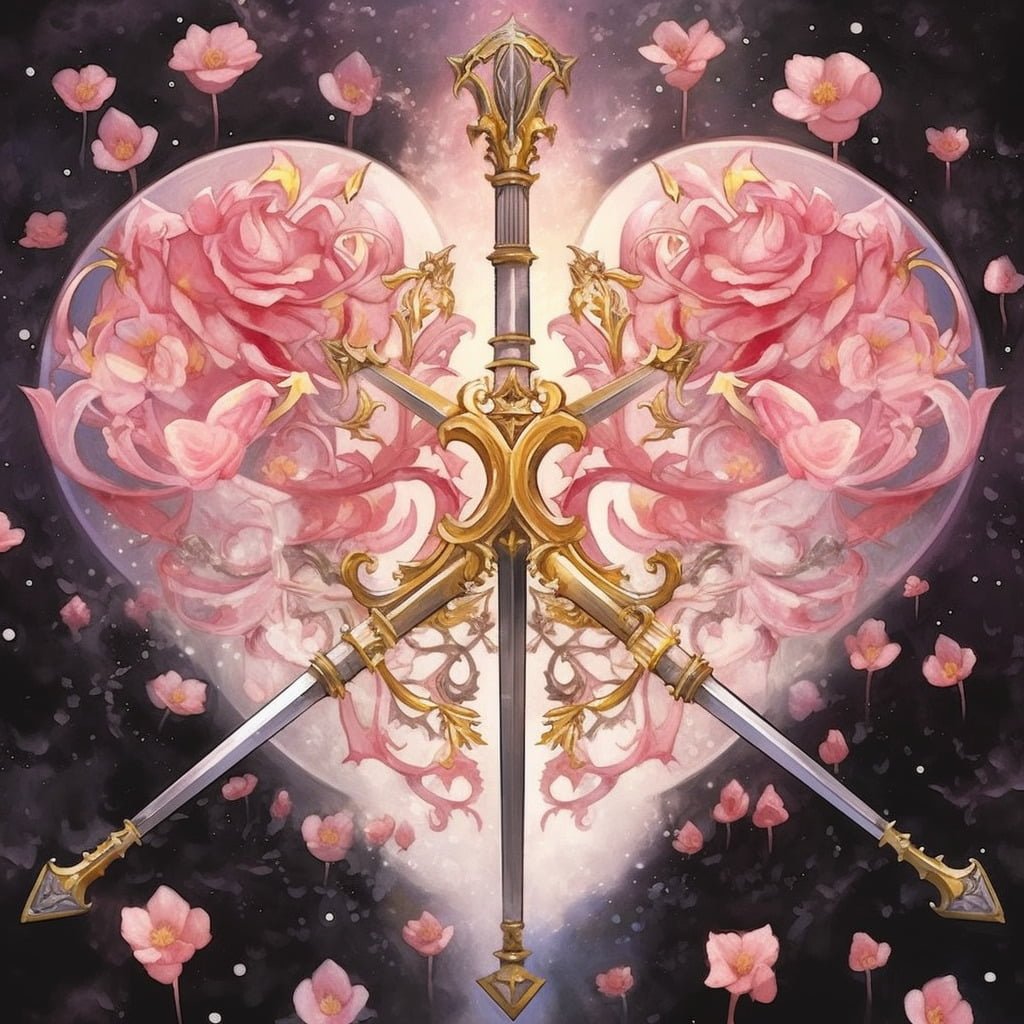
Consider the Three of Swords, a card often associated with heartbreak. Its imagery—three swords piercing a heart—is stark yet poetic. It doesn’t just depict sorrow; it asks you to confront it. The stormy sky in the background mirrors the turbulence within, while the distant castle suggests hope beyond the pain. This card isn’t a warning—it’s an invitation to feel, to heal, and ultimately, to release.
Signs You’re Clinging to What Should Be Released
Heartache often masquerades as loyalty, making it difficult to distinguish between love and attachment. Tarot can act as a compass, pointing to the emotional red flags that signal you’re holding on too tightly. Ask yourself: Are you replaying conversations in your mind, searching for hidden meanings? Does the thought of letting go feel like betrayal? These are signs the cards may highlight through the Five of Cups, where a figure stares mournfully at spilled vessels. The two upright cups in the background remind you that joy still exists—you just need to turn around to see it.
Another telling sign is emotional exhaustion. If you find yourself drained by the same thoughts, the Eight of Swords may appear in your readings. This card shows a figure trapped in a circle of swords, blindfolded and unable to see the exits. It’s a metaphor for the mental loops that keep you stuck. The key to freedom isn’t in fighting the swords—it’s in removing the blindfold and recognizing the illusions you’ve created.
The Alchemy of Letting Go: Transforming Pain into Power
Letting go isn’t about erasing memories; it’s about reclaiming your energy. Tarot cards like the Death card (despite its ominous name) symbolize transformation. It doesn’t always mean literal endings—it can signify the death of old patterns, toxic relationships, or self-sabotaging behaviors. The imagery of a skeletal figure on a white horse isn’t morbid; it’s a celebration of rebirth. The rising sun in the background hints at the dawn of a new chapter, one where you’re lighter, freer, and more aligned with your truth.
To harness this alchemy, try a ritualistic approach. Light a candle, shuffle your deck, and pull a card daily for a week. Journal about its message and how it resonates with your current emotions. Over time, you’ll notice patterns—perhaps the Ten of Cups appears when you’re ready to embrace harmony, or the Hermit emerges when solitude becomes your greatest teacher. These cards aren’t just tools; they’re companions on your journey.
Zodiac Wisdom: How Each Sign Handles Heartache (and When to Walk Away)
Astrology and tarot often intertwine, offering layered insights into emotional patterns. For instance, Scorpios may find themselves drawn to the Tower card, as their intensity can lead to explosive endings. Meanwhile, Pisceans might resonate with the Moon card, reflecting their tendency to dissolve boundaries and absorb others’ emotions. Understanding your zodiac’s natural inclinations can help you identify when your heartache is a call for self-preservation rather than perseverance.
For Taurus, the Four of Pentacles might surface, showing a figure clutching coins tightly. This card warns against clinging to comfort at the cost of growth. If you’re a Taurus resisting change, the tarot can gently nudge you toward flexibility. For Geminis, the Two of Swords—a blindfolded figure holding crossed swords—may reveal indecision. The card encourages you to remove the blindfold and trust your intuition, even if it means choosing yourself over others.
Practical Rituals to Release What No Longer Serves You
Tarot is most powerful when paired with action. Try this simple ritual: Write down what you’re letting go of on a piece of paper, then place it beneath a lit candle. Pull a card and meditate on its message. As the candle burns, visualize the pain dissolving into smoke. Alternatively, bury the paper in soil or toss it into a body of water, symbolizing the return of energy to the earth or universe.
Another method is to create a “release spread” using three cards: one for what you’re releasing, one for the lesson it taught you, and one for the freedom that awaits. The Six of Cups often appears in the lesson position, reminding you that even painful experiences hold gifts—wisdom, resilience, or self-awareness. The final card, perhaps the Star, offers hope, its imagery of a nude figure pouring water under a starry sky symbolizing healing and renewal.
Conclusion
Heartache and loss are universal, but their grip on you doesn’t have to be. Tarot cards serve as a bridge between the pain you feel and the wisdom you’re capable of, guiding you toward liberation. Whether through the piercing clarity of the Three of Swords or the transformative power of the Death card, these tools remind you that endings are merely the prelude to new beginnings. The next time grief feels overwhelming, turn to your deck. Let the cards be your compass, your confidant, and ultimately, your liberator. The path to healing isn’t linear—but with tarot as your guide, you’ll find the strength to let go and the courage to embrace what comes next.
FAQ
What tarot cards commonly represent heartache and loss?
Cards such as the Three of Swords, Five of Cups, Eight of Swords, and the Death card often symbolize heartache, emotional stagnation, and transformation through loss.
How can tarot help me know when it's time to let go?
Tarot cards reveal emotional truths and signs like clinging to the past or emotional exhaustion, guiding you to recognize when holding on no longer serves your growth.
Can astrology influence tarot readings about heartache?
Yes, zodiac signs can align with specific tarot cards, providing deeper insight into emotional patterns and when to walk away based on astrological traits.
What are some practical rituals using tarot to release pain?
Writing down what you want to release, meditating on drawn cards, burying or burning the paper, and using release spreads are effective ritual methods.
Leave a Reply