Short Answer
In this guide, you’ll explore the deeper meanings behind the Seven of Pentacles Reversed, particularly how it symbolizes a dying garden and the promise of a transformative shift in perspective. Whether you’re navigating personal growth, career challenges, or emotional stagnation, this card serves as a powerful reminder that endings often pave the way for new beginnings. You’ll uncover actionable insights to reinterpret setbacks as opportunities, cultivate resilience, and embrace change with curiosity rather than fear.
What Does the Seven of Pentacles Reversed Mean?
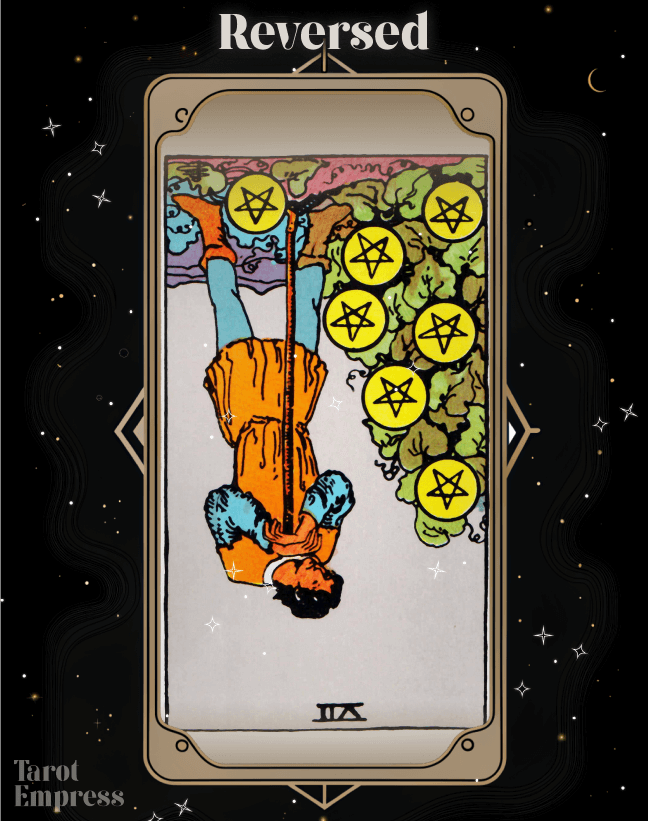
The Seven of Pentacles Reversed signals a moment of reckoning where your efforts may not be yielding the results you expected. Unlike its upright counterpart, which reflects patience and long-term investment, the reversed card suggests that what once seemed promising is now withering—much like a garden left unattended. This imagery isn’t meant to discourage you but to highlight the need for a fresh approach. The card often appears when you’re clinging to outdated strategies, relationships, or goals that no longer serve your growth. It’s a call to reassess, let go, and redirect your energy toward more fertile ground.
Key themes include:
- Disillusionment: Recognizing that your current path isn’t aligning with your values or aspirations.
- Neglect: Overlooking self-care, boundaries, or essential needs in pursuit of external validation.
- Missed Opportunities: Failing to act on timely advice or signs pointing toward change.
Signs Your Garden Is Dying: Recognizing the Metaphor
The “dying garden” metaphor in the Seven of Pentacles Reversed can manifest in various areas of life. Here’s how to identify the warning signs:
In Relationships: A once-thriving connection feels stagnant or one-sided. You might notice a lack of reciprocity, where your efforts aren’t met with equal investment. This could apply to friendships, romantic partnerships, or even familial bonds.
In Career or Projects: Your hard work isn’t translating into progress. Deadlines loom, feedback is absent, or you’re stuck in a cycle of busywork without tangible outcomes. The garden here represents the seeds you’ve planted—are they receiving the right conditions to grow?
In Personal Growth: You feel emotionally or spiritually parched. Hobbies, passions, or self-improvement efforts have lost their luster, leaving you questioning your purpose. The reversed card asks: What needs to be pruned or replanted to revive your sense of fulfillment?

Why This Shift in Perspective Is Necessary
The Seven of Pentacles Reversed isn’t just about failure—it’s about the potential that arises when you confront reality. This card promises a shift in perspective by:
Breaking Denial: Acknowledging that what you’ve been nurturing isn’t sustainable. This could mean admitting a toxic habit, an unsupportive environment, or a goal that no longer excites you.
Encouraging Curiosity: Instead of viewing the dying garden as a loss, ask: What can I learn from this? Perhaps the lack of growth is teaching you resilience, or it’s redirecting you toward a more aligned path.
Fostering Adaptability: Gardens die when conditions change. Similarly, your circumstances may have shifted, requiring you to adjust your methods. This might involve learning new skills, setting boundaries, or exploring uncharted territories.
How to Revive Your Garden: Practical Steps
Reviving a dying garden starts with small, intentional actions. Apply these strategies to your life:
1. Assess the Soil: What’s the foundation of your current situation? Are your efforts rooted in genuine passion or external pressure? Journaling or meditation can help clarify your true motivations.
2. Prune What’s Unnecessary: Identify habits, relationships, or commitments that drain your energy without reciprocation. Letting go isn’t failure—it’s making space for what truly matters.
3. Replenish Your Resources: Gardens need water, sunlight, and nutrients. In your life, this could mean prioritizing self-care, seeking mentorship, or investing in tools that align with your goals.
4. Plant New Seeds: What’s one small step you can take toward a fresh start? This might be enrolling in a course, reconnecting with an old passion, or setting a boundary with a draining influence.
5. Embrace Patience: Even in reversal, the Seven of Pentacles carries the seed of the upright card’s energy. Growth takes time, and setbacks are part of the process. Trust that your garden will bloom again—just differently.
Common Misconceptions About the Seven of Pentacles Reversed
It’s easy to misinterpret this card as a sign of permanent failure. However, the reversed Seven of Pentacles is more about transition than defeat. Here are some myths to avoid:
Myth 1: “This card means I’ve wasted my time.” Reality: It’s a sign to redirect your energy, not a judgment on your past efforts.
Myth 2: “I should give up entirely.” Reality: The card encourages reevaluation, not abandonment. Sometimes, quitting a goal means making room for a better one.
Myth 3: “Nothing will ever grow again.” Reality: Gardens regenerate. This card is a reminder that endings are part of natural cycles.
Conclusion
The Seven of Pentacles Reversed is a profound invitation to pause, reflect, and reimagine your path. While the imagery of a dying garden may feel unsettling, it’s also a testament to the resilience of nature—and of you. By shifting your perspective, you’re not erasing the past but preparing the soil for what’s next. Whether you’re letting go of unmet expectations, rediscovering forgotten passions, or simply learning to tend to your needs, this card promises that growth is still possible—just in a form you haven’t yet imagined. The key is to approach this transition with curiosity rather than fear, knowing that every ending carries the seed of a new beginning.
FAQ
What does the Seven of Pentacles Reversed symbolize?
It symbolizes disillusionment, stagnation, and the need to reassess efforts that are not yielding expected results, encouraging a fresh approach to growth.
How can the Seven of Pentacles Reversed apply to career challenges?
It indicates that hard work may not be translating into progress and suggests evaluating current strategies and possibly redirecting energy toward more fruitful endeavors.
What practical steps can help revive the 'dying garden' metaphor in life?
Assessing foundations, pruning unnecessary commitments, replenishing resources, planting new goals, and embracing patience are key steps to renewal.
Is the Seven of Pentacles Reversed a sign of permanent failure?
No, it is more about transition and reevaluation rather than defeat, signaling the opportunity for new growth after endings.



Leave a Reply