Short Answer
In this guide, you’ll explore the enigmatic Two of Swords Tarot card, a symbol of stalemate, indecision, and the delicate balance between opposing forces. Often misunderstood as a card of inaction, the Two of Swords invites you to delve deeper into its layers of meaning—revealing a profound metaphor for the human struggle between logic and intuition, action and stillness. Whether upright or reversed, this card challenges you to confront the illusions that keep you from making clear choices. By the end, you’ll understand how to harness its energy to break free from mental gridlock and embrace the clarity that comes from facing your inner conflicts head-on.
The Two of Swords: A Visual Metaphor of Blind Compromise
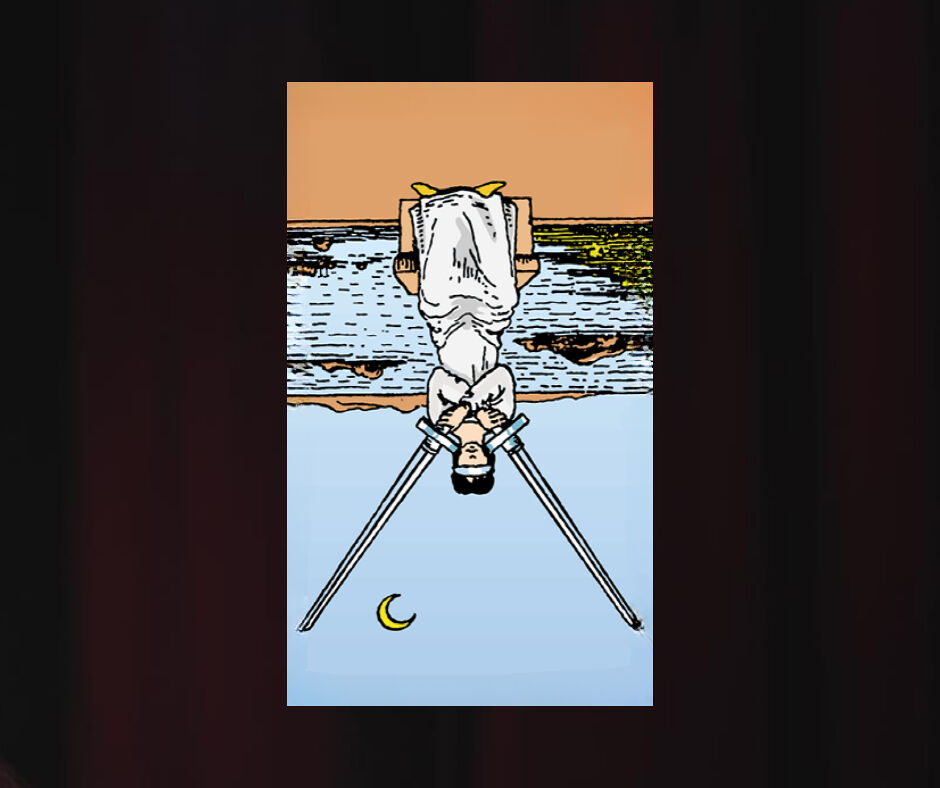
The Two of Swords depicts a figure seated in a meditative pose, blindfolded, holding two crossed swords in front of their chest. The blindfold is the most striking element—it suggests a deliberate choice to remain in the dark, avoiding the discomfort of seeing the full picture. The crossed swords symbolize opposing forces, whether they be decisions, emotions, or external pressures, that have reached a stalemate. The calm waters and crescent moon in the background hint at the subconscious mind, where unresolved tensions fester beneath the surface.
This imagery is a powerful metaphor for how we often choose to stay in limbo rather than confront the discomfort of making a definitive choice. The blindfold isn’t just about ignorance; it’s about the illusion of safety in indecision. The swords, though crossed, are not yet drawn in battle—they’re held in a fragile equilibrium, waiting for the moment one is released. This card asks: What are you refusing to see, and why?
Upright Meaning: The Illusion of Balance and the Call for Clarity
When the Two of Swords appears upright, it signals a period of forced neutrality—a time when you’re avoiding a decision out of fear of the consequences. You may feel stuck between two equally unappealing options, or perhaps you’re paralyzed by the belief that any choice will lead to loss. This card doesn’t judge your hesitation; instead, it highlights the cost of maintaining the status quo. The longer you sit in this stalemate, the more energy you drain in the process of avoidance.
Key themes of the upright Two of Swords include:
- Denial: Refusing to acknowledge the full scope of a situation, often out of fear or discomfort.
- Over-analysis: Getting lost in pros and cons until the decision feels impossible to make.
- False peace: Mistaking inaction for harmony, when in reality, the unresolved tension is silently eroding your well-being.
The card’s message is clear: Clarity comes not from avoiding the truth, but from facing it. Ask yourself: What are you pretending not to see? What fear is keeping you from moving forward? The Two of Swords urges you to remove the blindfold—even if just for a moment—and assess the situation with fresh eyes.
Reversed Meaning: Breaking the Stalemate and Reclaiming Agency
When the Two of Swords appears reversed, it’s a wake-up call—a sign that your avoidance has reached a breaking point. The reversed card shatters the illusion of balance, revealing the exhaustion and frustration beneath the surface. You can no longer ignore the tension; the swords are no longer crossed in a fragile truce but may be wielded in frustration or desperation. This is the moment when the blindfold slips, and the truth becomes undeniable.
In the reversed position, the Two of Swords highlights:
- Forced decisions: A situation where you’re left with no choice but to act, even if the outcome is uncertain.
- Self-deception: Recognizing that you’ve been lying to yourself about what you truly want or need.
- Burnout: The mental and emotional toll of prolonged indecision, leading to exhaustion or resentment.
The reversed Two of Swords is a call to action—not necessarily a good action, but an honest one. It’s about acknowledging that no decision is still a decision, and that staying stuck is often the most painful choice of all. This card asks: What would happen if you stopped waiting for the perfect moment and made a choice—any choice—just to break the cycle?
The Two of Swords in Love, Career, and Personal Growth
In Love: The Two of Swords in a love reading often points to a relationship that feels stuck in a cycle of unspoken tensions. You or your partner may be avoiding a difficult conversation, leading to emotional distance. The card warns that this silence is unsustainable—sooner or later, the truth will surface, whether you’re ready or not. It’s a reminder to communicate, even if the words feel scary.
In Career: At work, this card can indicate a project or job that’s draining your energy because you’re avoiding a necessary change. Are you staying in a role out of fear of the unknown? The Two of Swords encourages you to weigh the risks of staying versus the risks of leaving—and to trust that clarity will come once you take the first step.
In Personal Growth: On a deeper level, the Two of Swords is about the internal battle between your rational mind and your intuition. It asks you to examine where you’re ignoring your gut feelings in favor of logic—or vice versa. Growth comes when you integrate both, rather than letting one dominate at the expense of the other.
How to Work with the Two of Swords Energy
Whether you’re drawing this card in a reading or simply resonating with its energy, here are ways to harness its lessons:
- Remove the blindfold: Take an honest inventory of your situation. What are you avoiding? What fear is driving your indecision?
- Flip a coin (seriously): Sometimes, the act of making an arbitrary choice can reveal your true desires. If you’re relieved by the outcome, that’s your answer.
- Seek external perspective: Talk to a trusted friend or mentor who can offer an unbiased view. Sometimes, we’re too close to our own dilemmas to see them clearly.
- Embrace discomfort: The Two of Swords teaches that clarity often comes on the other side of fear. What’s the worst that could happen if you made a choice?
- Practice mindfulness: Meditation or journaling can help you observe the mental patterns that keep you stuck. Are you replaying the same scenarios in your head? Why?
Conclusion: The Power of Breaking the Stalemate
The Two of Swords is not a card of weakness—it’s a card of awareness. It reveals the human tendency to cling to false equilibriums, not because we’re cowardly, but because we fear the unknown. Yet, its message is ultimately liberating: the only way out of stalemate is through. Whether you’re facing a major life decision or simply grappling with internal conflicts, this card reminds you that clarity isn’t found in endless deliberation, but in the courage to see—and act—despite the uncertainty.
So, take off the blindfold. Cross the swords. And step forward—even if you’re not entirely sure where the path leads. The act of choosing is often the first step toward resolution.
FAQ
What does the Two of Swords represent in a tarot reading?
The Two of Swords symbolizes indecision and a mental stalemate, highlighting the need to face inner conflicts and make choices.
What is the significance of the blindfold in the Two of Swords card?
The blindfold represents a deliberate avoidance of seeing the full truth, symbolizing denial and reluctance to confront difficult decisions.
How should I interpret the reversed Two of Swords?
The reversed card suggests breaking free from indecision, facing uncomfortable truths, and taking action even if outcomes are uncertain.
How can the Two of Swords influence a love tarot reading?
It often indicates unresolved tensions or avoidance of difficult conversations in a relationship, urging open communication.
What practical steps can I take to work with the Two of Swords energy?
Remove denial, seek external advice, embrace discomfort, practice mindfulness, and consider making arbitrary choices to reveal true desires.
Leave a Reply