Short Answer
Have you ever wondered what secrets lie hidden in the flip side of a playing card? Beyond the familiar faces of the Jacks, Queens, and Kings, there’s an entire world of patterns, designs, and symbolism waiting to be explored. Whether you’re a card enthusiast, a tarot reader, or simply someone who appreciates the artistry of playing cards, understanding both sides—the upright and the reversal—can unlock a deeper appreciation for this timeless tool. In this guide, we’ll dive into the significance of both sides, their meanings, and how they can influence your interpretations. By the end, you’ll never look at a deck of cards the same way again.
The Dual Nature of Playing Cards: Upright vs. Reversals
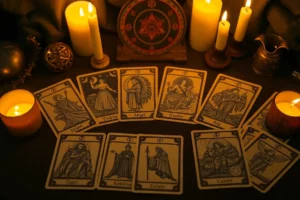
Playing cards are more than just tools for games; they are a canvas for art, culture, and even divination. Each card has two sides: the upright (or “right-side up”) position, where the design is presented as intended, and the reversal (or “upside-down”) position, where the card is flipped. The upright side is straightforward, showcasing the card’s primary imagery, symbols, and colors. In contrast, the reversal side often presents a distorted or mirrored version of the design, which can introduce new layers of meaning.
For example, the reverse side of a standard playing card often features a repeating pattern, such as a geometric design, floral motif, or abstract shapes. These patterns are not random; they are carefully crafted to ensure consistency across the deck. When a card is reversed, the pattern may appear inverted, creating a visual challenge that mirrors the card’s symbolic reversal. This duality invites you to question: Is the reversal merely a technical necessity, or does it hold a deeper purpose?
Why the Reverse Side Matters: More Than Just a Backdrop
The reverse side of a playing card is often overlooked, but it plays a crucial role in the card’s overall identity. In many decks, the reverse design is used to unify the deck, ensuring that all cards share a cohesive aesthetic. However, this uniformity can also serve a functional purpose. For instance, when shuffling a deck, the reverse side helps players distinguish between cards quickly, reducing the chance of cheating or misidentification.
Beyond functionality, the reverse side can also influence the card’s energy and interpretation. In tarot or divination practices, the reversal of a card is often seen as a sign of blocked energy, internal conflict, or a need for introspection. The reverse side’s mirrored design can symbolize this inversion, reinforcing the idea that the card’s message is not as straightforward as it seems. Whether you’re using cards for gaming or spiritual guidance, the reverse side adds a layer of complexity that demands attention.

Patterns and Symbolism on the Reverse Side
The reverse side of a playing card is rarely just a plain background. Instead, it often features intricate patterns that carry their own symbolism. Common designs include:
- Geometric Patterns: Triangles, diamonds, and chevrons are frequently used to create a sense of order and symmetry. These shapes can represent balance, structure, and the interplay between opposing forces.
- Floral Motifs: Roses, leaves, and vines often symbolize growth, beauty, and the cyclical nature of life. In some decks, these motifs may hint at themes of renewal or decay, depending on the card’s context.
- Abstract Shapes: Swirls, waves, and other abstract designs can evoke feelings of movement, chaos, or transformation. These patterns may reflect the unpredictable nature of the card’s upright meaning when reversed.
For example, a deck with a floral reverse pattern might suggest themes of nurturing or growth when the card is upright, but when reversed, it could imply stagnation or neglect. The key is to observe the pattern closely and consider how its reversal might alter its message.
How to Interpret Reversed Cards: A Playful Challenge
Interpreting a reversed card can feel like solving a puzzle. Unlike upright cards, which often have clear, direct meanings, reversals invite you to dig deeper. Here’s a playful challenge to help you explore this concept:
- Flip the Card: Literally turn the card upside down and observe how the reverse pattern interacts with the upright imagery. Does it create a new shape or symbol?
- Ask a Question: Pose a question to the card, such as, “What is the hidden challenge in this situation?” or “What energy is being blocked?” Let the reversal guide your intuition.
- Compare Sides: Place the upright and reversed cards side by side. How does the reversal change your perception of the card’s message? Does it feel more ominous, lighter, or simply different?
- Journal Your Insights: Write down your observations and any emotions that arise. Over time, you’ll develop a personal lexicon for reversed cards that resonates with you.
This exercise isn’t just for tarot readers—it’s a fun way to engage with any deck of cards, whether you’re playing poker, solitaire, or a game of chance. The reversal adds an element of surprise and depth, turning a simple game into a thought-provoking experience.
Practical Applications: Beyond Divination
While reversed cards are often associated with divination, their significance extends to other areas as well. Here are a few practical ways to incorporate the concept of reversals into your life:
- Art and Design: Use the reverse side of a card as inspiration for a creative project. The mirrored patterns can spark ideas for paintings, tattoos, or even interior design.
- Meditation and Mindfulness: Focus on the reverse side of a card during meditation. Observe how the inverted pattern affects your thoughts and emotions. Does it bring up feelings of imbalance or harmony?
- Games and Strategy: In games like poker or bridge, the reverse side can serve as a subtle psychological tool. Players might use the uniformity of the back design to hide their intentions or mislead opponents.
By exploring the reverse side in these contexts, you’ll discover that playing cards are more than just tools—they’re gateways to creativity, strategy, and self-reflection.
Common Misconceptions About Reversed Cards
Despite their potential depth, reversed cards are often misunderstood. Here are a few misconceptions to dispel:
- Reversals Always Mean Negative Energy: While reversals can indicate challenges, they’re not inherently “bad.” They often highlight areas that need attention or growth, which can be empowering.
- Only Tarot Cards Have Reversals: Any deck with a distinct reverse side can be interpreted in reverse, from standard playing cards to custom-designed decks.
- Reversals Are Arbitrary: The reverse side’s design is intentional and can influence the card’s energy. Ignoring it means missing out on half the story.
Understanding these nuances will help you approach reversed cards with a more open and informed perspective.
Conclusion: Embracing the Duality of Playing Cards
Playing cards are a testament to the beauty of duality. The upright and reversed sides of each card offer a rich tapestry of meaning, waiting to be explored. Whether you’re using them for games, art, or divination, taking the time to study both sides will deepen your connection to the deck. The next time you hold a card, flip it over and ask yourself: What secrets does the reverse side hold? How does it change the card’s story?
By embracing the challenge of reversals, you’ll transform a simple deck of cards into a tool for creativity, insight, and play. So go ahead—shuffle, flip, and discover the hidden layers of your cards. You might be surprised by what you find.
FAQ
What does a reversed card mean in tarot readings?
A reversed card often signifies blocked energy, internal conflict, or a need for introspection, adding complexity to the upright card's meaning rather than simply indicating negative outcomes.
Are reversals only applicable to tarot cards?
No, reversals can apply to any deck with distinct reverse sides, including standard playing cards and custom decks, allowing for varied interpretations.
How can I interpret reversed cards more effectively?
Try flipping the card, asking specific questions, comparing upright and reversed meanings side by side, and journaling your insights to develop a personal understanding.
Do the patterns on the reverse side of cards have symbolic meaning?
Yes, reverse side patterns often include geometric, floral, or abstract motifs that can symbolize balance, growth, transformation, or other themes that enrich card interpretations.
Leave a Reply