Short Answer
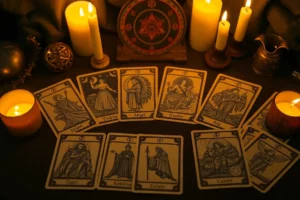
When a tarot card appears reversed in a reading, it often signals a shift in perspective, a hidden challenge, or an untapped opportunity waiting to be explored. Reversed tarot cards can feel like a whisper from the subconscious, urging you to look deeper, question assumptions, or embrace change. Whether you’re a seasoned reader or new to tarot, understanding these inverted cards can unlock profound insights into your life’s path. In this guide, you’ll discover what reversed tarot cards truly mean, how they differ from their upright counterparts, and how to interpret their messages with clarity and confidence.
Understanding Reversed Tarot Cards: A Shift in Perspective
Reversed tarot cards occur when a card is drawn upside down during a reading. While some interpret this as a purely negative sign, the truth is more nuanced. A reversed card often represents an internal shift—a moment where your perception of a situation is about to change. For example, the Three of Cups reversed might indicate that a social gathering you’re excited about could lead to disappointment, but it could also suggest that you’re over-romanticizing a friendship and need to set healthier boundaries. The reversal invites you to examine the situation from a different angle, revealing layers you might have overlooked.
Think of reversed cards as mirrors reflecting back your own doubts, fears, or untapped potential. They don’t always predict doom; instead, they highlight areas where growth is needed. The Tower reversed, for instance, might not signal an impending collapse but could suggest that you’re resisting necessary change, clinging to stability that no longer serves you. By acknowledging the reversed card’s message, you can navigate challenges with greater awareness and adaptability.
The Role of Intuition: Why Reversed Cards Pique Curiosity
Reversed tarot cards often feel mysterious because they rely heavily on intuition. Unlike upright cards, which tend to offer straightforward guidance, reversed cards require you to tune into your gut feelings and subconscious mind. For example, the Page of Swords reversed might indicate that you’re overanalyzing a situation to the point of paralysis, or it could suggest that someone in your life is being deceitful. The ambiguity forces you to ask: What does this mean for me? rather than seeking a one-size-fits-all answer.
This element of curiosity is what makes reversed cards so powerful. They don’t just tell you what’s happening—they challenge you to dig deeper. The Hermit reversed, for instance, might appear when you’re avoiding solitude because you fear facing your inner thoughts, or it could signal that you’re seeking guidance from the wrong sources. By embracing the reversed card’s invitation to explore, you open the door to self-discovery and clarity.
Common Themes in Reversed Tarot Cards
While every card can be reversed, some themes frequently emerge across different suits and archetypes. Recognizing these patterns can help you interpret reversed cards more effectively:
- Blocked Energy: Reversed cards often indicate stagnation or resistance. For example, the Chariot reversed might suggest that you’re struggling to move forward due to conflicting desires or a lack of direction.
- Internal Conflict: Many reversed cards reflect inner turmoil. The Lovers reversed could point to disharmony in a relationship, but it might also highlight a conflict between your heart and your ego.
- Missed Opportunities: Sometimes, a reversed card signals that you’ve overlooked a chance to grow. The Ten of Pentacles reversed might indicate financial instability, but it could also suggest that you’re not fully appreciating the resources or support available to you.
- Hidden Truths: Reversed cards often reveal what’s being concealed. The Death card reversed, for instance, might not foretell literal endings but could suggest that you’re resisting necessary transformation.
By familiarizing yourself with these themes, you can start to see reversed cards as tools for self-awareness rather than omens of misfortune.
How to Interpret Reversed Tarot Cards Accurately
Interpreting reversed tarot cards requires a balance of structure and intuition. Here’s a step-by-step approach to help you decode their messages:
- Assess the Card’s Upright Meaning: Start by understanding what the card represents in its upright position. This foundation will help you see how the reversal alters its energy.
- Consider the Card’s Immediate Context: Look at the surrounding cards in your spread. Are they mostly positive or negative? The context can shift the meaning of the reversed card significantly.
- Trust Your Intuition: Pay attention to your first impressions when you see a reversed card. Does it feel heavy, light, or confusing? Your gut reaction is often the most accurate guide.
- Look for Opposites or Excesses: Reversed cards often highlight extremes. For example, the Five of Wands reversed might indicate harmony where there was once conflict, or it could suggest that you’re avoiding necessary competition.
- Ask Open-Ended Questions: Instead of asking, “Will this happen?” try, “What is this card trying to teach me?” This shifts the focus from prediction to insight.
Remember, there’s no single “correct” way to interpret a reversed card. The key is to stay open to multiple layers of meaning and allow the card to guide you toward deeper understanding.
Reversed Tarot Cards in Different Spreads
The position of a reversed card in a tarot spread can drastically change its interpretation. Here’s how to approach reversed cards in common spreads:
- Past-Present-Future: If a reversed card appears in the past position, it might suggest that you’ve misinterpreted or ignored a past event. In the present, it could indicate that you’re currently in denial about a situation. In the future, it may warn of a potential obstacle if no action is taken.
- Celtic Cross: Reversed cards in the Celtic Cross often highlight subconscious influences or hidden factors. For example, a reversed card in the “subconscious influences” position might reveal fears or unresolved emotions affecting your decisions.
- Single-Card Pull: In a one-card reading, a reversed card often serves as a prompt to reflect on an area of your life that needs attention. It’s less about predicting the future and more about offering guidance for the present moment.
Adapting your interpretation to the spread’s structure ensures that you’re not just reading the card in isolation but seeing how it fits into the bigger picture of your life.
Embracing the Message: What to Do When You Draw a Reversed Card
Drawing a reversed tarot card can feel unsettling, but it’s an opportunity to course-correct and grow. Here’s how to work with its energy:
- Pause and Reflect: Instead of rushing to conclusions, take a moment to sit with the card’s energy. Journal about your initial thoughts and feelings.
- Identify the Lesson: Ask yourself, “What is this card trying to teach me?” The answer might not be obvious, but the question alone can spark valuable insights.
- Take Small Steps: If the card suggests a challenge, break it down into manageable actions. For example, if the Eight of Cups reversed appears, it might encourage you to address emotional avoidance by taking one step toward healing.
- Seek Balance: Reversed cards often highlight imbalances. Use their message to restore harmony in your life, whether that means setting boundaries, confronting a fear, or letting go of a limiting belief.
By approaching reversed cards with curiosity rather than fear, you transform them from obstacles into allies on your spiritual journey.
Conclusion
Reversed tarot cards are not just warnings or bad omens—they are invitations to see the world (and yourself) differently. Whether they signal a shift in perspective, a hidden truth, or an untapped opportunity, these cards challenge you to look beyond the surface and embrace deeper layers of meaning. By learning to interpret reversed cards with intuition and an open mind, you unlock a powerful tool for self-discovery and growth. The next time a reversed card appears in your reading, remember: it’s not just a card facing the wrong way—it’s a mirror reflecting back the wisdom you already hold within.
FAQ
What is a reversed tarot card?
A reversed tarot card is one that appears upside down in a reading, often signaling internal shifts, hidden challenges, or alternative meanings compared to its upright position.
Do reversed tarot cards always have negative meanings?
No, reversed cards do not always indicate negative outcomes; they often highlight areas for personal growth, blocked energies, or perspectives that require deeper reflection.
How do I interpret a reversed tarot card?
Interpretation involves understanding the card’s upright meaning, considering the context of surrounding cards, trusting your intuition, and asking open-ended questions to explore multiple layers of meaning.
Does the tarot spread affect reversed card meanings?
Yes, the position of a reversed card within a spread (e.g., Past-Present-Future, Celtic Cross) can significantly influence its interpretation.
What should I do when I draw a reversed tarot card?
Pause, reflect, identify the lesson the card offers, take small actionable steps, and seek balance to transform the reversed card’s message into a positive influence.
Leave a Reply