Short Answer
Welcome to a comprehensive guide on the Inverted Tarot Deck – Reversed Meanings. In this article, you’ll explore how reversed tarot cards promise a shift in perspective, challenge your assumptions, and ignite curiosity about the hidden layers of your readings. Whether you’re a seasoned tarot reader or a curious beginner, understanding reversed cards can deepen your insight and enrich your interpretations. By the end, you’ll gain clarity on how these cards function, their symbolic significance, and practical ways to integrate them into your practice.
Understanding Reversed Tarot Cards: A Shift in Perspective
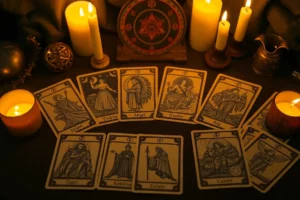
Reversed tarot cards, often depicted upside-down in a spread, represent a deviation from the upright meaning. While upright cards typically signify straightforward energy, reversed cards introduce complexity, delay, or internal reflection. They act as mirrors, reflecting back the less obvious aspects of a situation—your subconscious doubts, unresolved emotions, or external obstacles. This inversion doesn’t negate the card’s energy but instead asks you to examine it from a different angle. For instance, the upright Three of Cups celebrates joy and community, while reversed, it may hint at gossip, overindulgence, or fleeting connections. The key is to view reversals as opportunities for growth rather than mere obstacles.
Reversed cards often emerge when the querent is resistant to change or avoiding a truth. They signal that the universe is nudging you toward self-awareness, urging you to confront what you’ve been overlooking. This shift in perspective can be unsettling but ultimately liberating, as it dismantles illusions and paves the way for authentic transformation.
The Role of Reversed Cards in Readings: Unveiling Hidden Layers
In a tarot spread, reversed cards add depth by highlighting internal conflicts, external challenges, or untapped potential. They don’t always indicate negativity; sometimes, they reveal a card’s energy in its nascent or suppressed form. For example, the reversed Chariot might suggest a lack of direction or self-doubt, while in another context, it could imply the need to pause and reassess your strategy before charging ahead. The interpretation hinges on the card’s symbolism and its relationship to surrounding cards.
Reversals also emphasize the duality of human experience. Life isn’t binary—it’s a spectrum of light and shadow. A reversed card like the Hermit might indicate isolation or withdrawal, but it could also point to the wisdom gained from solitude. This duality encourages you to ask: What is this card trying to teach me that I haven’t acknowledged yet? By embracing the reversed meaning, you invite a more nuanced understanding of your journey.
Common Misconceptions About Reversed Tarot Cards
One of the biggest myths about reversed cards is that they always signify bad luck or failure. In reality, reversals are neutral—they reflect energy that’s either blocked, internalized, or evolving. Another misconception is that reversals are less important than upright cards. On the contrary, they often carry more personal significance because they address the querent’s unspoken fears or desires. For example, the reversed Ten of Swords might not predict doom but could symbolize the end of a painful cycle, signaling relief rather than despair.
Some readers avoid using reversals entirely, preferring to interpret all cards upright. While this approach simplifies readings, it can also dilute the tarot’s depth. Reversals force you to engage more critically with the cards, fostering a dynamic and intuitive practice. They remind you that tarot isn’t about fortune-telling—it’s about self-discovery and empowerment.
How to Interpret Reversed Tarot Cards: Practical Tips
Interpreting reversed cards requires a blend of intuition and structure. Start by examining the card’s traditional upright meaning, then ask yourself: How might this energy manifest in reverse? Consider the following approaches:
- Blocked Energy: Is the card’s energy suppressed or delayed? For example, the reversed Ace of Pentacles might indicate missed opportunities or financial stagnation.
- Internal Reflection: Does the card point to self-doubt or unresolved emotions? The reversed Queen of Cups could suggest emotional overwhelm or a disconnect from your intuition.
- External Challenges: Are external factors hindering the card’s energy? The reversed Six of Wands might reflect setbacks or a lack of recognition despite your efforts.
Another technique is to flip the card’s imagery. For instance, the reversed Death card (upright: transformation) might symbolize resistance to change or clinging to the past. Visual cues, such as reversed symbols or colors, can also offer clues. Trust your gut—if a reversed card resonates strongly with you, lean into that interpretation.

The Psychological and Spiritual Significance of Reversals
From a psychological standpoint, reversed tarot cards mirror the shadow self—the parts of us we suppress or ignore. Carl Jung’s concept of the shadow aligns with how reversals operate: they bring unconscious patterns to light, allowing for integration and healing. Spiritually, reversals can signify karmic lessons or soul contracts that require attention. For example, the reversed Judgement card might indicate a reluctance to answer a higher calling or fear of self-reflection.
Reversals also highlight the law of polarity, the idea that opposites are interconnected. Light and dark, success and failure—these aren’t separate but complementary forces. A reversed card like the Tower (upright: sudden upheaval) might suggest a slow-burning crisis or delayed awakening. By acknowledging both sides, you cultivate balance and resilience in your spiritual practice.
Incorporating Reversed Cards into Your Tarot Practice
To make reversals a seamless part of your readings, start with a few key steps:
- Shuffle with Intention: Before drawing cards, set an intention to recognize reversed meanings. Some readers prefer to shuffle with the cards face up to track reversals easily.
- Journal Your Insights: Keep a tarot journal to document reversed cards and their interpretations in different contexts. Over time, you’ll notice patterns that deepen your understanding.
- Use Reversals Selectively: If you’re new to reversals, try using them only in specific spreads (e.g., past-present-future) or for particular questions. Gradually expand as you grow more comfortable.
- Pair with Upright Cards: When a reversed card appears, look at the surrounding upright cards for context. For example, a reversed Lovers next to the Two of Cups might indicate a relationship imbalance rather than a breakup.
Remember, there’s no one-size-fits-all method. Your relationship with reversed cards will evolve as you do. The more you practice, the more intuitive your interpretations will become.
Conclusion
Reversed tarot cards are far more than mere inversions—they are gateways to deeper self-awareness and transformative insights. By embracing their complexity, you unlock a richer, more layered understanding of your tarot practice. Whether they signal delays, internal reflections, or untapped potential, reversed cards remind you that growth often comes from the shadows as much as the light. As you continue to explore their meanings, let curiosity guide you. Ask questions, trust your intuition, and allow the cards to reveal what you’re ready to see. In the end, reversed tarot cards don’t just change your perspective—they change how you navigate life’s journey.
FAQ
What does an inverted or reversed tarot card mean?
An inverted or reversed tarot card typically represents blocked energy, internal reflection, delays, or a nuanced variation of the card’s upright meaning.
Are reversed tarot cards always negative?
No. Reversed cards can indicate challenges, but they also highlight growth opportunities, internal insights, or suppressed potential.
Can I choose not to use reversed cards in readings?
Yes, some readers prefer interpreting all cards upright for simplicity, but using reversals adds depth and complexity to readings.
How can I practice interpreting reversed tarot cards?
Start by comparing the upright meaning with possible reversed interpretations such as blocked energy or internal challenges, and journal your insights to build intuition.
Leave a Reply