Short Answer
Dive into the captivating world of The Empress as we unravel its intricate metaphors, standout highlights, and the unique appeal that has made it a standout series. This guide explores the show’s layered storytelling, visual symbolism, and the elements that set it apart in the crowded landscape of modern television. Whether you’re a longtime fan or a newcomer, discover why The Empress resonates so deeply with audiences worldwide.
The Metaphorical Tapestry: Decoding The Empress’s Core Symbolism
The Empress is a masterclass in weaving metaphor into its narrative fabric, transforming historical events and personal struggles into a rich, symbolic tapestry. At its heart, the series uses the metaphor of an empress—both as a ruler and a woman navigating power—to explore themes of authority, identity, and sacrifice. The crown, a recurring motif, isn’t merely a symbol of royalty but a burden, representing the isolation and expectations that come with leadership.
The show’s use of duality is equally compelling. Light and shadow, fire and ice, love and betrayal—these contrasts aren’t just visual flourishes but reflections of the dual nature of its characters. For instance, the empress’s relationship with her husband embodies the tension between duty and desire, while the court’s intrigues mirror the cutthroat dynamics of any power structure. These metaphors elevate the series beyond a historical drama, making it a meditation on human nature itself.
Visual Storytelling: The Artistry Behind The Empress’s Aesthetic
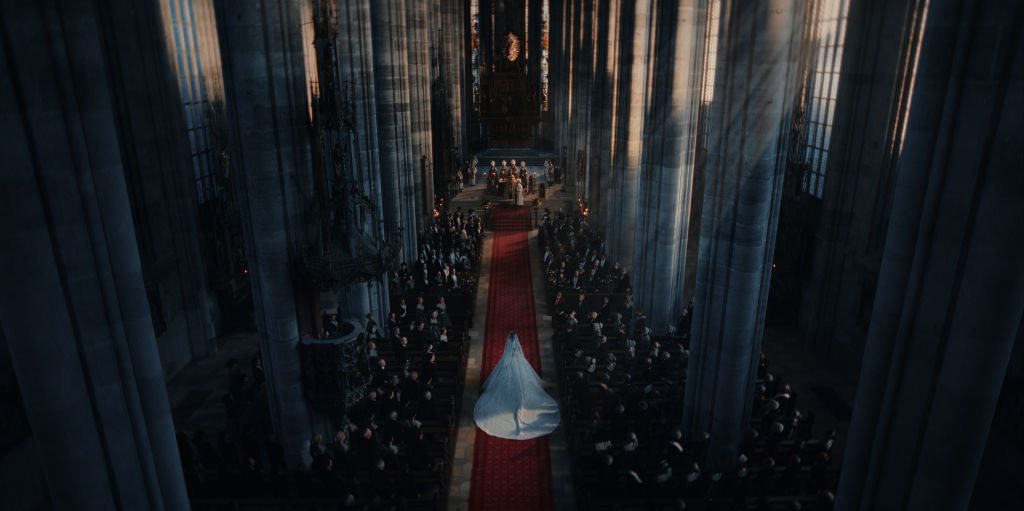
The series’ visual language is as deliberate as its narrative, using cinematography to reinforce its themes. The opulent sets, inspired by European royal courts, are more than lavish backdrops—they’re characters in their own right, reflecting the empress’s inner turmoil. The use of warm golds and deep reds in early scenes gives way to cooler tones as the story darkens, mirroring the shift from hope to despair.
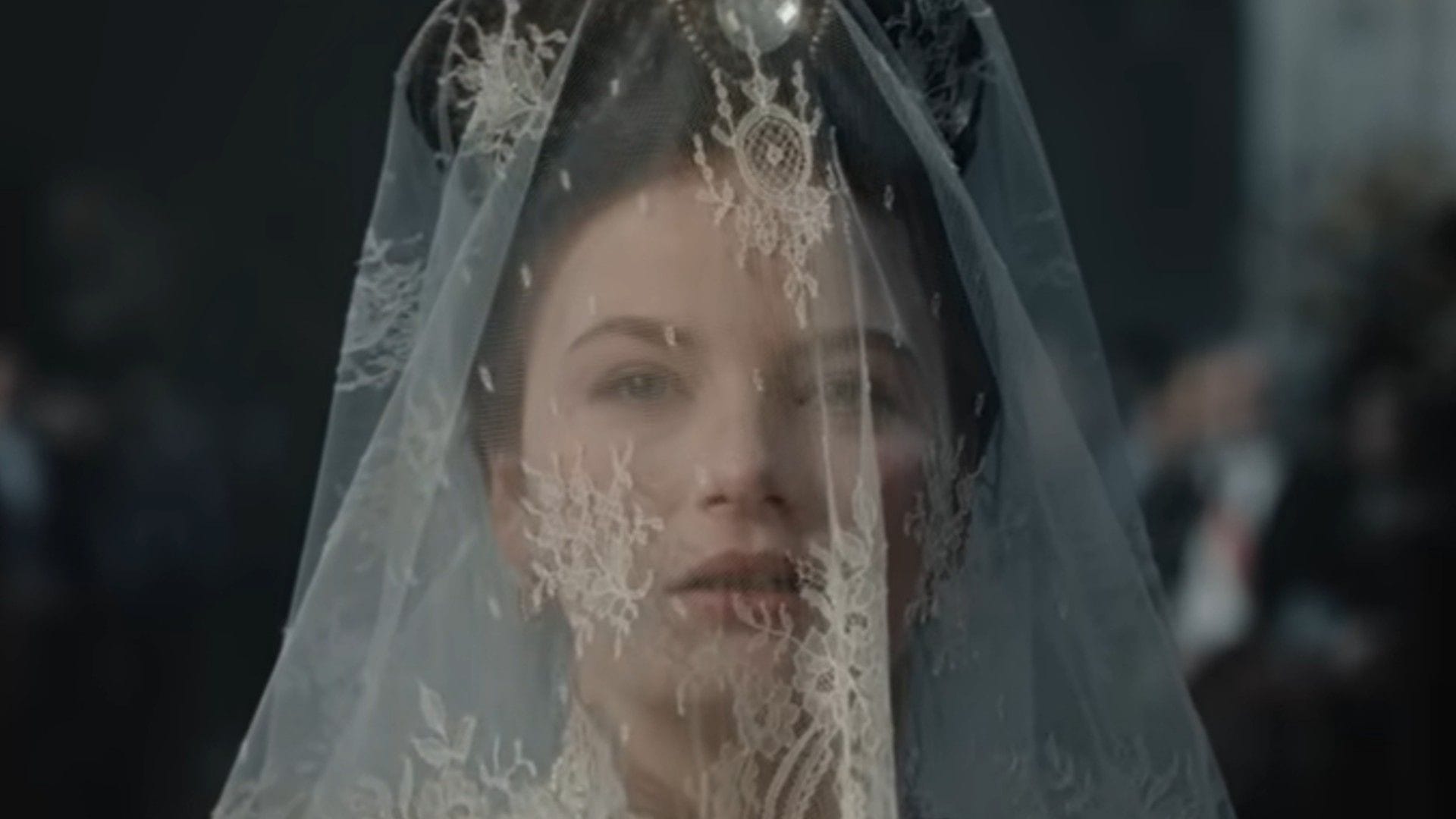
Lighting plays a pivotal role, often casting the empress in stark contrasts. Scenes where she’s bathed in golden light highlight her power and grace, while shadows envelop her during moments of vulnerability. This interplay isn’t just aesthetic; it underscores the duality of her existence—publicly revered, privately tormented. The costume design further amplifies this, with the empress’s gowns evolving from pristine whites to somber blacks, symbolizing her transformation from innocence to experience.
Character Arcs: The Human Drama Behind the Crown
What truly sets The Empress apart is its focus on character development, particularly the empress’s journey from a naive young woman to a shrewd ruler. Her arc is a study in resilience, as she navigates a world where every ally could be a foe. The supporting cast further enriches the narrative, with each character serving as a foil to the empress’s growth. The court physician, for example, embodies pragmatism, while the queen mother represents the old guard clinging to tradition.
The relationships in the series are fraught with tension, yet they’re never one-dimensional. Even antagonists like the queen mother are given depth, their actions driven by a twisted sense of loyalty. This complexity makes the drama feel authentic, as the audience is forced to grapple with morally gray choices alongside the characters. The empress’s evolution is particularly compelling, as she learns to wield power not just with strength but with cunning and empathy.
Themes of Power and Sacrifice: Why The Empress Resonates
At its core, The Empress is a story about the cost of power and the sacrifices required to maintain it. The series doesn’t shy away from showing the brutal realities of court life, where trust is a liability and loyalty is a currency. The empress’s journey is a reminder that power isn’t just about control—it’s about survival, and sometimes, the hardest choices are the ones that preserve what little humanity remains.
Sacrifice is another recurring theme, whether it’s the empress giving up personal happiness for duty or her subjects enduring hardship for the sake of stability. These themes resonate because they’re universal. Whether in a royal court or a corporate boardroom, the dynamics of power and sacrifice remain strikingly similar. The series’ ability to draw parallels between historical and modern struggles is part of what makes it so timeless.
The Empress’s Unique Appeal: What Sets It Apart
The Empress stands out in a sea of period dramas due to its unflinching honesty and emotional depth. Unlike many shows that glorify royalty, this series presents the court as a den of vipers, where every smile hides a knife. The writing is sharp, the dialogue crisp, and the pacing relentless—never allowing the audience to grow complacent. The show’s ability to balance political intrigue with personal drama is a testament to its storytelling prowess.
Another unique aspect is its female-centric narrative. While historical dramas often relegate women to secondary roles, The Empress places its protagonist at the center of the action, exploring her agency, flaws, and growth. The series doesn’t shy away from depicting women as complex individuals, capable of both cruelty and compassion. This perspective is refreshing and adds layers to the storytelling that are often missing in the genre.
Conclusion
The Empress is more than just a historical drama—it’s a rich, multi-layered narrative that uses metaphor, visual storytelling, and complex characters to explore timeless themes. Its unique appeal lies in its ability to blend political intrigue with personal drama, all while presenting a nuanced portrayal of power and sacrifice. Whether you’re drawn to its stunning visuals, its sharp writing, or its unapologetic honesty, the series offers something for every viewer. As it continues to captivate audiences, The Empress cements its place as a modern classic, proving that even in a genre as old as storytelling itself, there’s always room for fresh, bold perspectives.
FAQ
What is the central metaphor used in The Empress?
The empress symbolizes both the burdens and authority of leadership, exploring themes of power and identity.
How does lighting contribute to the storytelling in The Empress?
Lighting contrasts highlight the protagonist's power and vulnerability, reinforcing the show's thematic dualities.
What makes The Empress's character development notable?
The protagonist's growth from naivety to shrewd leadership is portrayed with emotional complexity and realistic relationships.
Why is sacrifice a key theme in The Empress?
It illustrates the personal and political costs of power, emphasizing survival and humanity in leadership.
In what way does The Empress differ from typical period dramas?
Its unflinching portrayal of court intrigue combined with a strong female lead and emotional honesty sets it apart.
Leave a Reply