Short Answer
Embark on a journey through the enigmatic realms of tarot as we unravel the profound symbolism and hidden meanings behind three of the most intriguing cards: The Fool, The Hanged Man, and The Hierophant. Whether upright or reversed, these cards weave tales of transformation, rebellion, and spiritual awakening. This guide will illuminate their unique appeal, offering insights into their metaphorical power and how they resonate in your life’s narrative.
The Fool: The Beginning of Infinite Possibilities
The Fool is the archetype of new beginnings, spontaneity, and uncharted adventures. Represented by a carefree figure standing at the edge of a cliff, with a small dog nipping at his heels, this card embodies the essence of stepping into the unknown with childlike wonder and trust. The Fool’s journey is not about recklessness but about embracing the purity of potential—where every moment is a fresh canvas waiting to be painted.
Metaphorically, The Fool is the spark of inspiration that ignites a wildfire of creativity. It whispers to the soul, urging it to leap before looking, to dance with uncertainty, and to find joy in the journey rather than the destination. In readings, The Fool often signals a time to release fear, trust the universe, and embark on a path that aligns with your true calling. Its energy is infectious, reminding us that life’s most magical moments often lie just beyond the edge of our comfort zones.

The Hanged Man: The Paradox of Surrender and Enlightenment
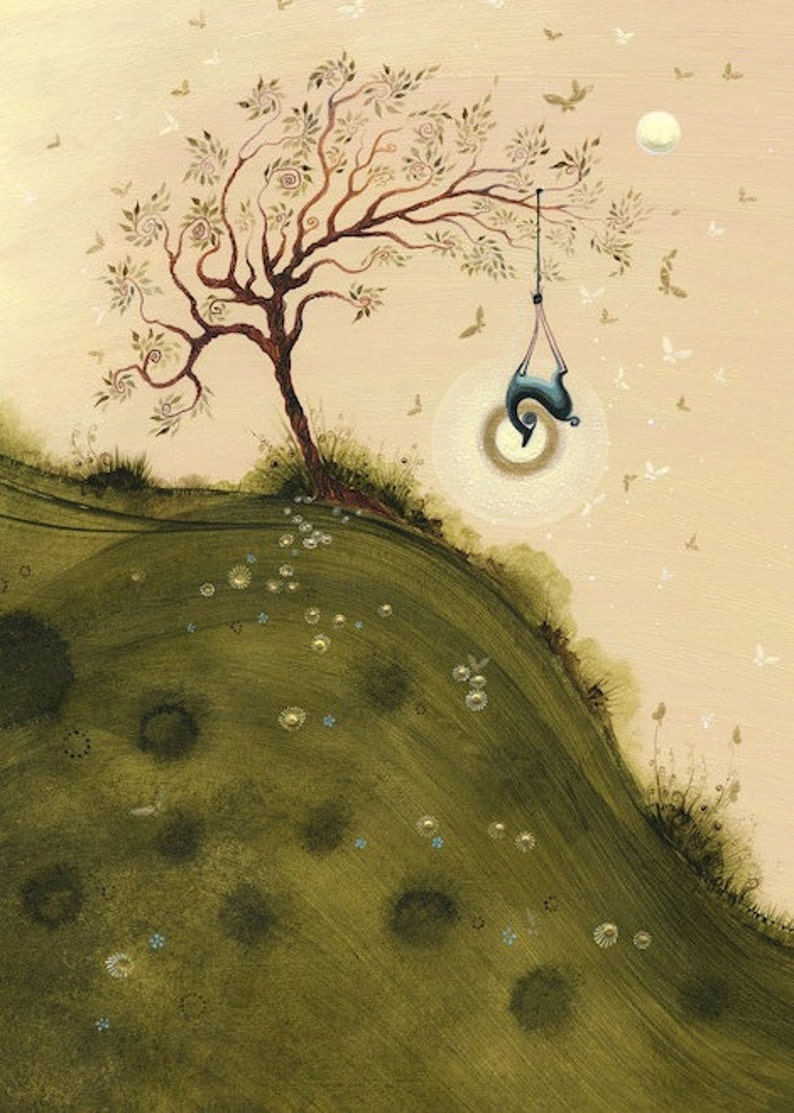
The Hanged Man is a card of suspension, sacrifice, and profound insight. Depicted as a figure hanging upside down from a living tree, this card challenges conventional wisdom by presenting surrender as a form of strength. The inverted position symbolizes a shift in perspective—what appears to be a loss is, in fact, a gateway to enlightenment. The Hanged Man teaches that sometimes, the greatest wisdom comes from stillness, from allowing life to unfold rather than forcing it to conform to our desires.
In its upright position, The Hanged Man encourages you to pause and reflect. It’s a call to see the world from a different angle, to question your assumptions, and to embrace the beauty of delayed gratification. Reversed, this card may indicate resistance to change, a fear of letting go, or a stubborn refusal to see the bigger picture. Yet, even in its shadow form, The Hanged Man holds a mirror to our attachments, urging us to release what no longer serves our highest good.

The Hierophant: The Bridge Between the Sacred and the Mundane
The Hierophant stands as the guardian of tradition, spirituality, and structured wisdom. Clad in papal robes and seated between two pillars, this card represents the bridge between the divine and the earthly. It is the voice of established knowledge, the mentor who imparts lessons passed down through generations. The Hierophant is not merely a symbol of dogma but a reminder of the importance of seeking guidance, whether from religious texts, mentors, or inner wisdom.
Upright, The Hierophant encourages you to honor your roots, to seek out teachers or traditions that resonate with your soul, and to find meaning in the rituals and practices that ground you. It may also signal a time of conformity, where following established paths feels necessary for growth. Reversed, The Hierophant warns against blind obedience or rigid thinking. It challenges you to question the systems you’ve inherited and to carve your own path if they no longer align with your truth. This card’s duality invites you to balance reverence for the past with the courage to innovate.
Synergy and Contrast: Weaving the Cards Together
The interplay between The Fool, The Hanged Man, and The Hierophant creates a tapestry of transformation. The Fool’s reckless abandon meets The Hierophant’s structured wisdom, while The Hanged Man’s suspended state bridges the two. Together, they form a narrative of growth: The Fool’s leap of faith, The Hanged Man’s surrender to the unknown, and The Hierophant’s guidance toward deeper understanding.
Consider how these cards might appear in a reading. The Fool followed by The Hierophant could suggest a journey where spontaneity leads to seeking wisdom. The Hanged Man between them might indicate a period of reflection before embracing new traditions. Reversed, these cards could highlight conflicts—fear of change (The Fool reversed), resistance to enlightenment (The Hanged Man reversed), or rebellion against authority (The Hierophant reversed). Yet, even in their shadows, they offer lessons in resilience and self-discovery.
Conclusion
The Fool, The Hanged Man, and The Hierophant are more than mere tarot cards—they are mirrors to the soul, reflecting our fears, desires, and the endless potential within us. The Fool teaches us to embrace the unknown with courage, The Hanged Man shows us the power of surrender, and The Hierophant reminds us of the wisdom found in tradition and mentorship. Together, they form a trinity of transformation, guiding us through life’s most profound questions.
Whether you’re a seasoned tarot enthusiast or a curious newcomer, these cards invite you to explore the depths of your own psyche. They challenge you to leap, to pause, and to seek—ultimately leading you to a place of greater clarity and self-awareness. In their symbolism, you may find not just answers, but a language to articulate the inexpressible.
FAQ
What does The Fool card symbolize?
The Fool symbolizes new beginnings, spontaneity, and embracing the unknown with trust and optimism.
What is the meaning of The Hanged Man reversed?
The Hanged Man reversed indicates resistance to change, inability to let go, or a refusal to see things from a new perspective.
How should The Hierophant be interpreted in a reading?
The Hierophant represents tradition, spiritual guidance, and conformity; it advises seeking wisdom from established sources or mentors.
How do The Fool, The Hanged Man, and The Hierophant cards interact in a tarot reading?
These cards together suggest a journey of transformation: starting with faith and openness (The Fool), followed by reflection and surrender (The Hanged Man), and culminating in structured wisdom and guidance (The Hierophant).
Leave a Reply