Short Answer
Welcome to this comprehensive guide exploring The Strength (Love & Reversed) and The Sub—two intriguing concepts that promise a transformative shift in perspective and ignite curiosity. Whether you’re delving into relationships, personal growth, or narrative dynamics, these themes offer rich insights into power dynamics, emotional resilience, and the art of reversal. By the end of this guide, you’ll understand their significance, applications, and the curiosity they inspire.
The Strength (Love & Reversed): A Dual Perspective on Power and Vulnerability
The Strength, often associated with the Tarot card “Strength,” embodies the balance between inner fortitude and compassion. In the context of love, it represents the ability to harness emotional resilience while maintaining kindness and empathy. This duality is where the “Reversed” aspect comes into play, highlighting challenges such as impulsiveness, self-doubt, or the misuse of power in relationships.
When reversed, The Strength signals a struggle to control emotions or a tendency to react from a place of fear rather than understanding. For example, in romantic partnerships, this might manifest as one partner dominating conversations or decisions, stifling the other’s voice. Conversely, it can also reflect a period of personal growth where one learns to temper their strength with vulnerability, fostering deeper connections.
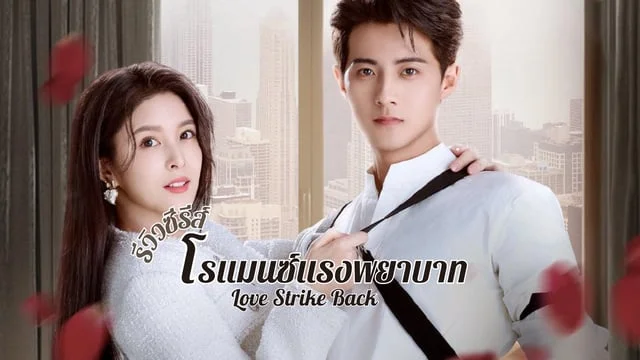
Understanding The Strength in its reversed form encourages self-reflection. It asks: Are you using your power to uplift or suppress? This theme is particularly relevant in modern relationships, where traditional gender roles are being redefined, and emotional intelligence is prized over brute force.
The Sub: Exploring the Underdog Narrative and Its Allure
The Sub, short for “submissive” or “subordinate,” often carries a negative connotation, but in storytelling and personal development, it represents a powerful narrative device. It challenges the status quo by placing the “underdog” at the center of the story, forcing readers or observers to reconsider who holds true agency. This theme is prevalent in literature, manga, and even real-life scenarios where the perceived weaker party reveals unexpected strength.
In romantic or interpersonal dynamics, The Sub can symbolize the person who, despite being in a less dominant position, wields influence through patience, strategy, or emotional depth. For instance, in a relationship where one partner is more assertive, the “sub” might navigate conflicts with quiet resilience, ultimately shaping the relationship’s direction. This reversal of expectations can be both intriguing and empowering, as it subverts traditional power structures.
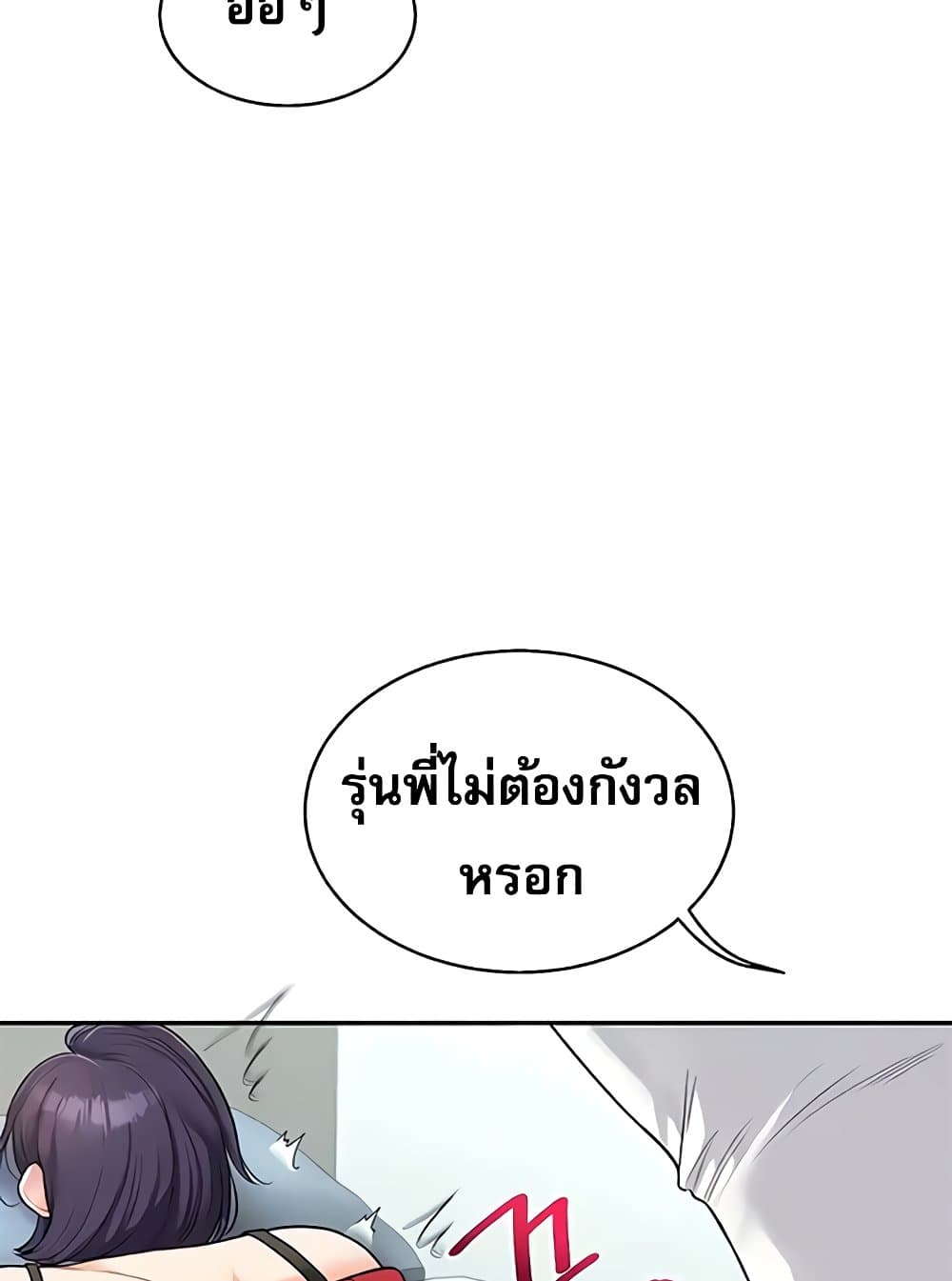
The allure of The Sub lies in its ability to pique curiosity. Readers or observers are drawn to stories where the underdog triumphs, not through brute force, but through wit, emotional intelligence, or sheer perseverance. This theme resonates deeply in cultures where hierarchy is deeply ingrained, offering a fresh perspective on what it means to be “strong.”
Promises of a Shift in Perspective: How These Themes Transform Understanding
The interplay between The Strength (Love & Reversed) and The Sub promises a profound shift in how we view power, vulnerability, and relationships. By examining these themes, we’re encouraged to question societal norms and personal biases. For example, in a relationship where one partner is traditionally dominant, The Sub might inspire the other to find their voice, leading to a more balanced dynamic. Similarly, The Strength reversed can prompt individuals to reflect on whether their actions stem from love or control.
These themes also highlight the fluidity of power. What appears as weakness—such as emotional vulnerability or patience—can often be a form of strength. Conversely, what seems like dominance may mask insecurity or fear. This duality is what makes these concepts so compelling, as they challenge us to look beyond surface-level appearances.
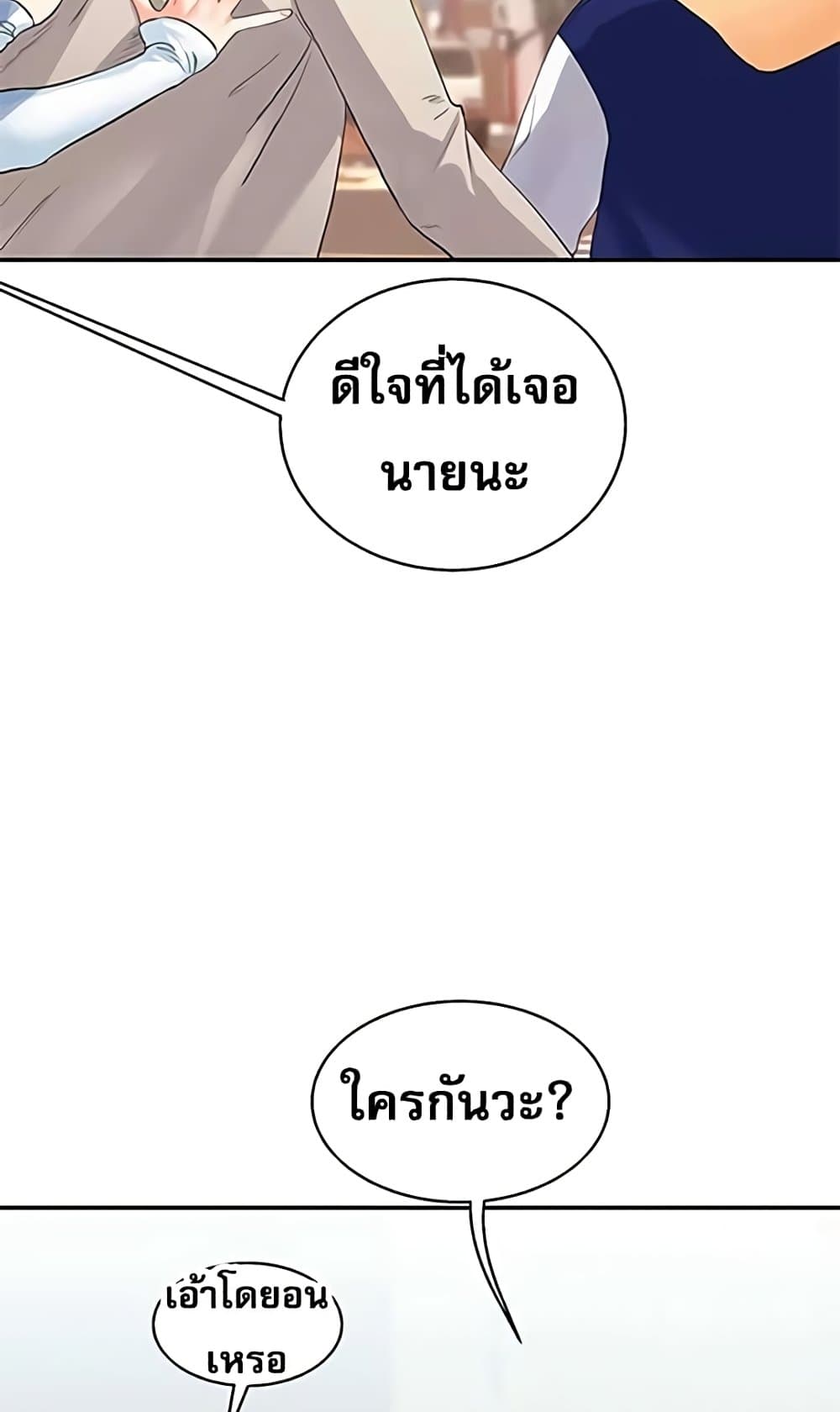
In storytelling, these themes create rich, multi-dimensional characters. A protagonist who starts as “The Sub” might evolve into a leader, while a character embodying The Strength could learn the value of vulnerability. These transformations keep audiences engaged, as they reflect real-life journeys of growth and self-discovery.
Piquing Curiosity: The Intrigue of Reversal and Subversion
Curiosity is a driving force behind human engagement with stories, relationships, and personal growth. The themes of The Strength (Love & Reversed) and The Sub tap into this curiosity by subverting expectations. When a story or relationship defies conventional roles, it invites deeper exploration. Why does the “weak” character hold so much influence? How does the “strong” character’s vulnerability change the dynamic?
This intrigue is amplified in media like manga, where visual storytelling allows for nuanced portrayals of power dynamics. For example, a character who appears submissive might have a commanding presence in key moments, or a traditionally strong character might crumble under emotional pressure. These reversals keep the audience on their toes, eager to uncover the layers beneath the surface.
In real-life relationships, this curiosity can lead to healthier dynamics. Partners might explore why they default to certain roles and how to break free from unhealthy patterns. The act of questioning—”Why do I always take the lead?” or “Why do I feel powerless?”—can be the first step toward growth.
Conclusion
The Strength (Love & Reversed) and The Sub are more than just themes; they are invitations to rethink power, vulnerability, and the narratives we construct around them. By embracing the duality of strength and submission, we open ourselves to a world where curiosity leads to transformation. Whether in storytelling or personal relationships, these concepts remind us that true power lies not in domination, but in the ability to adapt, empathize, and grow.
FAQ
What is the significance of The Strength card in Tarot?
The Strength card represents inner strength, courage, compassion, and the balance of power and empathy, especially in love and relationships.
How should The Strength card be interpreted when reversed?
Reversed, it indicates emotional challenges such as fear, self-doubt, impulsiveness, or controlling behaviors.
Who or what is 'The Sub' in the context of this article?
'The Sub' refers to the submissive or subordinate figure who holds influence through patience, strategy, and emotional depth, often flipping traditional power roles.
How do these themes affect relationship dynamics?
They encourage reflection on power balance, promoting empathy, vulnerability, and reconsideration of dominant/submissive roles for healthier interactions.
Why do these themes pique curiosity?
Because they subvert traditional roles and challenge assumptions about strength and weakness, inviting deeper exploration of character and relational complexity.
Leave a Reply