Short Answer
When a tarot card appears upside down in a reading, it often sparks curiosity and invites deeper reflection. Reversed or inverted tarot cards are not simply the opposite of their upright meanings—they signal a shift in perspective, blocked energy, or an internal call to pause and reassess. Whether you’re new to tarot or a seasoned reader, understanding reversed cards can unlock profound insights into your life’s journey. This guide explores what inverted tarot cards mean, how to interpret them, and why they often promise transformation rather than misfortune. By the end, you’ll feel more confident in deciphering these mysterious symbols and using them to guide your decisions with clarity.
What Is a Reversed Tarot Card?
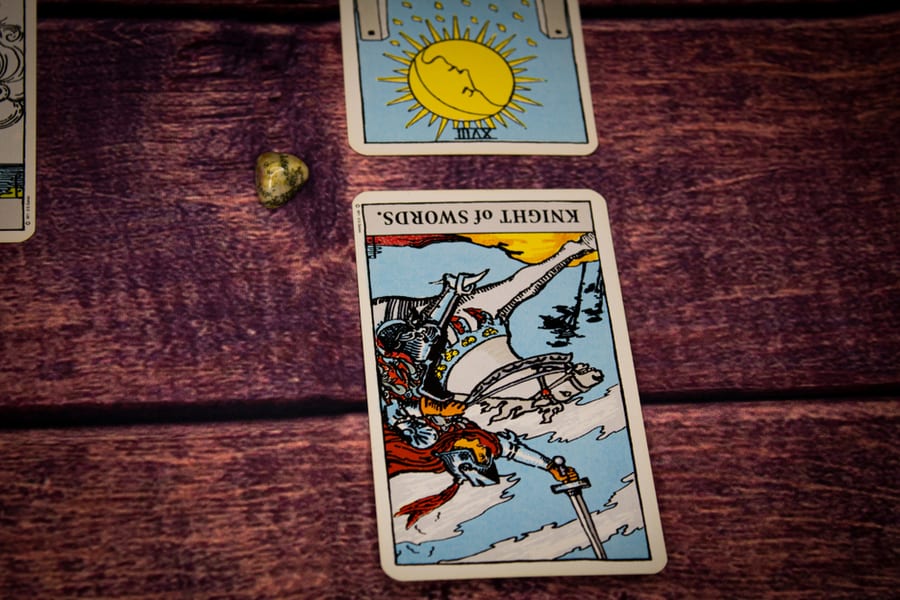
A reversed tarot card occurs when the card is drawn upside down during a reading. While some believe this indicates a negative outcome, the truth is more nuanced. Reversed cards often highlight internal struggles, untapped potential, or areas where energy is stagnant. They act as mirrors, reflecting what is hidden beneath the surface—unresolved emotions, subconscious fears, or opportunities waiting to be seized. Rather than seeing them as bad omens, view reversed cards as invitations to dig deeper and uncover truths that might otherwise remain unseen.
For example, the upright Three of Cups celebrates joy and celebration with friends, but reversed, it may suggest overindulgence, gossip, or a need to set boundaries in social situations. The shift isn’t about failure; it’s about recognizing where adjustments are needed to restore balance.
Why Do Reversed Cards Appear in Readings?
Reversed cards appear for several reasons, each offering a unique layer of meaning. One common interpretation is that they signify resistance or blockages. If you’re drawing the Chariot upright, it suggests determination and forward momentum. Reversed, it may indicate a lack of direction, internal conflict, or feeling pulled in too many directions. This isn’t a sign to give up—it’s a cue to realign your goals and regain focus.
Another perspective is that reversed cards reveal hidden aspects of a situation. The Lovers card upright speaks of harmony and choices, but reversed, it might expose disharmony, miscommunication, or a need to reevaluate a relationship. These cards don’t predict doom; they highlight what’s already present but not yet acknowledged. They encourage honesty with yourself and others.
Finally, reversed cards can signal untapped potential. The Page of Pentacles upright represents new opportunities and learning, while reversed, it may suggest procrastination or a reluctance to take the first step. Here, the card isn’t failing—it’s pointing to a dormant skill or idea that’s ready to be nurtured. The key is to see these cards as opportunities for growth rather than setbacks.
Common Misconceptions About Reversed Cards
One of the biggest myths about reversed tarot cards is that they always indicate negativity. While they can signal challenges, they’re not inherently “bad.” Another misconception is that reversed cards are less important than upright ones. In reality, they often carry just as much weight, if not more, because they delve into the subconscious. Ignoring them could mean missing critical insights.
Some readers avoid using reversed cards altogether, believing they complicate readings. However, omitting them can lead to oversimplified interpretations. Reversed cards add depth, revealing the complexities of a situation that upright cards alone might overlook. They remind us that life isn’t black and white—it’s filled with shades of gray that require careful consideration.
It’s also important to note that the meaning of a reversed card can vary depending on the context of the reading and the surrounding cards. A reversed Death card, for instance, isn’t about literal demise but about transformation and endings that feel unsettling. Context is everything, and reversed cards thrive in their ability to adapt to the nuances of your life.
How to Interpret Reversed Tarot Cards Effectively
Interpreting reversed tarot cards starts with understanding the core themes of the upright card. Ask yourself: What energy does this card represent when it’s right-side up? Then, consider how that energy might be distorted, delayed, or internalized when the card is reversed. For example, the upright Ten of Swords can symbolize hitting rock bottom before a breakthrough. Reversed, it might suggest lingering pain or a refusal to accept that a difficult phase is ending.
Another technique is to look at the imagery of the card itself. Inverted symbols often carry clues. The Hermit upright shows a figure holding a lantern, seeking wisdom. Reversed, the lantern might be dim or hidden, indicating isolation or a lack of direction. Pay attention to these visual cues—they’re designed to guide your interpretation.
Journaling can also enhance your understanding. After a reading, write down the reversed cards you drew and reflect on how their messages resonate with your current life. Over time, you’ll develop a personal connection to these cards and recognize patterns in their guidance. Trust your intuition—if a reversed card feels significant to you, it likely is.
Examples of Reversed Tarot Cards and Their Meanings
Reversed The Magician: Upright, this card represents manifestation and skill. Reversed, it may indicate manipulation, wasted potential, or a disconnect between intention and action. It’s a reminder to use your talents wisely and avoid deceit—whether directed at others or yourself.
Reversed The High Priestess: Upright, she embodies intuition and hidden knowledge. Reversed, she might suggest ignoring your gut feelings, overanalyzing, or a lack of spiritual connection. This card urges you to trust your inner voice, even when logic seems to dominate.

Reversed The Star: Upright, this card is a beacon of hope and inspiration. Reversed, it may reflect despair, disillusionment, or a loss of faith in the universe. However, it’s also a call to reignite your sense of wonder—sometimes, hope returns when we least expect it.
Using Reversed Cards for Personal Growth
Reversed tarot cards are powerful tools for self-discovery. When you encounter one, ask yourself: What is this card trying to tell me about my current path? Are there habits, beliefs, or relationships that no longer serve me? The reversed Five of Cups, for example, might highlight grief or regret, but it also points to the cups still standing behind you—reminding you of what you still have.
These cards can also guide you in breaking free from cycles of self-sabotage. The reversed Tower often signifies sudden upheaval, but it’s also a catalyst for necessary change. Instead of fearing disruption, embrace it as an opportunity to rebuild on a stronger foundation. Reversed cards teach resilience by showing that even in chaos, there’s a path forward.
Incorporate reversed cards into your daily rituals. Pull a single card each morning and reflect on how its reversed message might apply to your day. Over time, you’ll develop a more intuitive relationship with these cards and recognize their role as allies in your growth journey.
Conclusion
Reversed tarot cards are not omens of doom—they are invitations to pause, reflect, and realign. They promise a shift in perspective, urging you to look beyond the surface and explore the hidden layers of your experiences. Whether they reveal blocked energy, untapped potential, or areas needing healing, these cards are tools for transformation. By learning to interpret them with curiosity and an open mind, you’ll uncover deeper truths about yourself and your path. Embrace the reversed cards as guides, not obstacles, and let them illuminate the way forward with wisdom and clarity.
FAQ
What does a reversed tarot card mean?
A reversed tarot card signifies a shift in perspective, blocked energy, internal struggles, or untapped potential rather than simply a negative or opposite meaning.
Are reversed tarot cards always bad?
No, reversed tarot cards are not inherently bad; they often highlight hidden aspects, challenges to address, or areas for personal growth.
How can I effectively interpret reversed tarot cards?
To interpret reversed cards, understand the upright meaning first, then consider how the energy might be distorted or internalized when reversed. Pay attention to card imagery and journal your reflections.
Why do some tarot readers avoid reversed cards?
Some readers avoid reversed cards because they believe they complicate readings, but omitting them can oversimplify interpretations and miss deeper insights.
Can reversed cards be used for personal growth?
Yes, reversed cards can highlight habits, beliefs, or relationships to reassess and encourage resilience and transformation.

Leave a Reply