Short Answer
In this comprehensive guide, you will explore the profound symbolism, meanings, and interpretations of the Death Tarot card. Whether you’re a beginner or an experienced reader, this article will provide clarity on how this powerful card influences love, career, spirituality, and personal growth. You’ll discover common misconceptions, reversed meanings, and practical advice on how to harness its energy in your readings. By the end, you’ll have a deeper understanding of the Death card and how to interpret it in various contexts.
The Death Tarot Card: An Overview
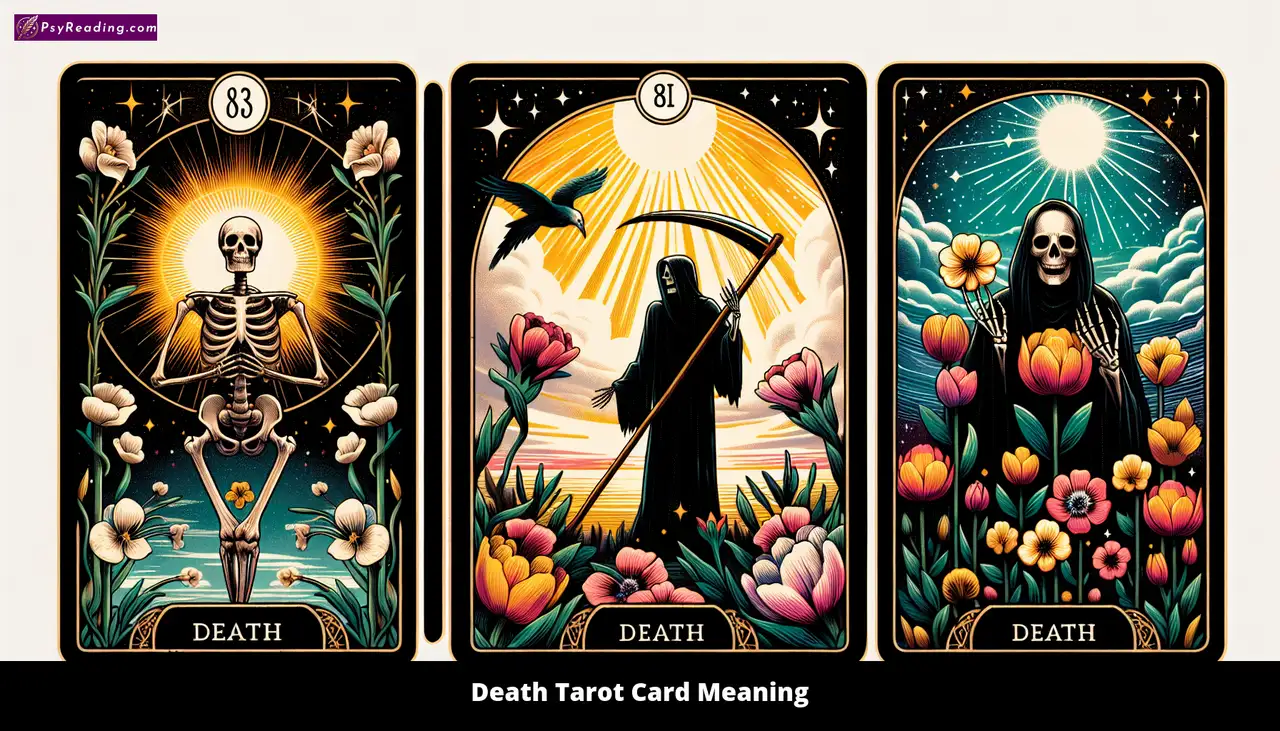
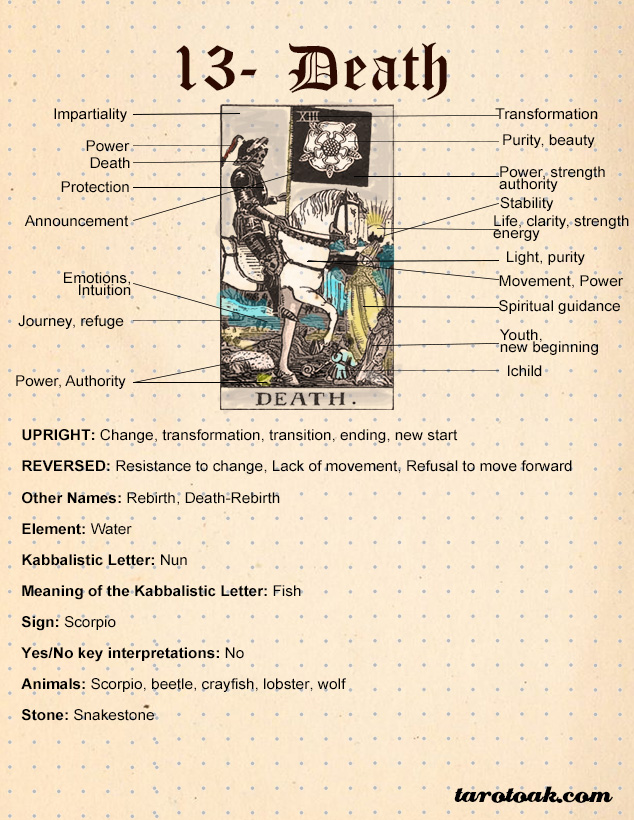
The Death Tarot card, often numbered XIII in the Major Arcana, is one of the most misunderstood cards in the deck. Contrary to popular belief, it rarely signifies physical death. Instead, it represents transformation, endings, and rebirth. The imagery typically features a skeletal figure on horseback, often holding a black flag adorned with a white rose—a symbol of purity amidst change. The rising sun in the background signifies new beginnings, while the fallen figures in the foreground represent the inevitability of decay and the necessity of letting go.
This card is a reminder that all things must pass to make way for growth. It encourages you to release what no longer serves you, whether it’s outdated beliefs, toxic relationships, or stagnant habits. The Death card is not about destruction but about evolution. It challenges you to embrace change with courage and trust the process of renewal.
Symbolism and Imagery in the Death Card
The Death card is rich with symbolism that conveys its core message of transformation. The skeletal figure, often depicted as the Grim Reaper, is a universal symbol of the end of a cycle. Its armor suggests protection, while the horse represents power and movement. The black flag with a white rose is particularly significant—it symbolizes that even in darkness, purity and hope exist.
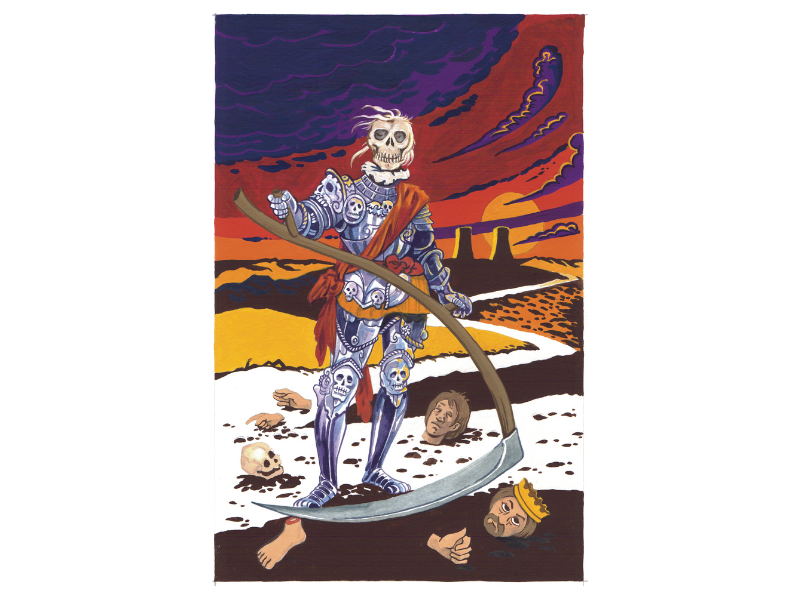
The rising sun in the background is a powerful motif, indicating that endings are always followed by new beginnings. The sun’s light suggests clarity and the promise of a fresh start. The fallen figures in the foreground, often kings and bishops, represent the collapse of old structures, hierarchies, or systems that have outlived their purpose. This imagery reinforces the idea that death is a natural part of life’s cycle.
Other common elements include the barren landscape, which signifies emptiness before renewal, and the river in the distance, representing the flow of life and the passage of time. Together, these symbols paint a picture of inevitable change and the beauty that can emerge from it.
Upright Death Card Meaning
When the Death card appears upright in a reading, it signals a major transformation is on the horizon. This could manifest as the end of a job, the conclusion of a relationship, or a significant shift in your personal beliefs. While these changes may feel daunting, they are necessary for your growth. The Death card encourages you to let go of what no longer aligns with your highest good and embrace the unknown with an open heart.
In matters of love, the Death card can indicate the end of a relationship that has run its course. This doesn’t necessarily mean a breakup but could signify a transformation in how you and your partner relate to each other. It may also suggest that you’re shedding old patterns or insecurities that have been holding you back in your romantic life.
In career readings, the Death card often points to the end of a professional chapter. This could mean leaving a job, changing careers, or letting go of a project that no longer serves you. While this transition may feel uncertain, it’s an opportunity to pursue something more aligned with your passions and values. The Death card reminds you that endings are not failures but necessary steps toward greater fulfillment.
Reversed Death Card Meaning
When the Death card appears reversed, it suggests resistance to change or an unwillingness to let go of the past. You may be clinging to outdated habits, relationships, or situations that are no longer serving you, which can lead to stagnation and frustration. This card reversed can also indicate fear of the unknown or a reluctance to embrace transformation, even when it’s necessary for your growth.
In love readings, the reversed Death card may signal that you or your partner are avoiding necessary changes in the relationship. This could manifest as denial about issues that need to be addressed or a refusal to evolve together. It’s a call to confront these challenges head-on rather than ignoring them.
In career contexts, the reversed Death card can indicate that you’re staying in a job or career path out of fear rather than passion. It may also suggest that you’re resisting necessary changes, such as learning new skills or adapting to industry shifts. This card reversed is a reminder that growth requires courage and a willingness to embrace the unknown.
Death Card in Love and Relationships
The Death card in love readings often signifies a significant transformation in your romantic life. If you’re single, it may indicate that you’re shedding old patterns or beliefs about love that have been holding you back. This could pave the way for a healthier, more fulfilling relationship in the future. If you’re in a relationship, the Death card can signal the end of a phase or the need to let go of toxic dynamics. It’s a call to release what no longer serves your highest good and embrace a new chapter with your partner.
For those experiencing a breakup, the Death card can be a comforting reminder that this ending is necessary for your growth. It encourages you to trust that the universe has a plan for you and that new opportunities will arise. The Death card also reminds you to take time to reflect on what you’ve learned from the relationship and how you can apply those lessons to future connections.
In family or friendship dynamics, the Death card may indicate the need to set boundaries or release toxic relationships. It’s a call to prioritize your well-being and surround yourself with people who uplift and support you. While this process can be painful, it’s essential for your personal growth and happiness.
Death Card in Career and Finances
In career readings, the Death card often signals the end of a professional chapter and the beginning of something new. This could mean leaving a job, changing careers, or letting go of a project that no longer aligns with your goals. While this transition may feel uncertain, it’s an opportunity to pursue a path that’s more fulfilling and aligned with your passions.
The Death card can also indicate the need to release old habits or mindsets that have been holding you back in your career. This might include a fear of failure, a reluctance to take risks, or a tendency to stay in your comfort zone. Embracing the energy of the Death card can help you step into your power and pursue opportunities that excite you.
In financial readings, the Death card may suggest the need to let go of outdated financial habits or beliefs. This could include releasing a scarcity mindset, letting go of toxic financial relationships, or making changes to your spending or saving habits. The Death card encourages you to trust that new opportunities will arise as you release what no longer serves you.
Spiritual Growth and the Death Card
The Death card is deeply connected to spiritual growth and transformation. It represents the shedding of old layers of the self to make way for a higher consciousness. This card often appears when you’re on the cusp of a spiritual awakening or when you’re being called to release limiting beliefs and embrace a deeper connection to your true self.
In spiritual readings, the Death card can indicate the end of a spiritual practice or belief system that no longer resonates with you. It may also suggest the need to let go of past traumas or emotional baggage that’s been weighing you down. Embracing the energy of the Death card can help you release these burdens and step into a more authentic, spiritually aligned version of yourself.
The Death card also reminds you that spiritual growth is not always comfortable. It requires courage to face your shadows and let go of what no longer serves you. But the rewards—greater clarity, inner peace, and a deeper connection to the divine—are well worth the effort.
Common Misconceptions About the Death Card
One of the most common misconceptions about the Death card is that it predicts physical death. While this is a dramatic interpretation, it’s rarely the case in Tarot readings. The Death card is about transformation, endings, and rebirth—not literal death. It’s a reminder that all things must pass to make way for new growth.
Another misconception is that the Death card always signifies a negative outcome. In reality, it’s a neutral card that reflects the natural cycle of life. While it can indicate endings, these endings are necessary for growth and renewal. The Death card encourages you to trust the process and embrace change with an open heart.
Finally, some people believe that the Death card is a sign of bad luck or misfortune. In truth, it’s a card of empowerment. It challenges you to release what no longer serves you and step into your power. By embracing its energy, you can transform your life in profound and meaningful ways.
How to Interpret the Death Card in Readings
Interpreting the Death card in a reading requires a nuanced understanding of its symbolism and context. Start by considering the surrounding cards in the spread. Are they supportive or challenging? The Death card’s meaning can shift depending on the other cards present. For example, if it’s paired with the Tower card, it may indicate a sudden, dramatic change. If it’s paired with the Star card, it could suggest a hopeful transformation.
Pay attention to the querent’s emotional state and the question they’re asking. If they’re resistant to change, the Death card may highlight their fears or reluctance. If they’re seeking guidance on a specific situation, the Death card can offer insight into what needs to be released or transformed.
Finally, consider the timing of the reading. The Death card often appears when a significant change is on the horizon. It may not indicate when this change will occur, but it’s a reminder to prepare yourself mentally and emotionally for what’s to come.
Conclusion
The Death Tarot card is a powerful symbol of transformation, endings, and rebirth. While it’s often misunderstood, its true meaning is one of hope and renewal. Whether it appears upright or reversed, the Death card challenges you to release what no longer serves you and embrace the unknown with courage. It reminds you that all things must pass to make way for new growth and that endings are not failures but necessary steps toward greater fulfillment.
By understanding the symbolism, interpretations, and common misconceptions surrounding the Death card, you can harness its energy to navigate life’s changes with grace and confidence. Whether you’re facing a major life transition, seeking spiritual growth, or simply reflecting on your journey, the Death card offers a profound message: trust the process, let go of the past, and embrace the new beginnings that await you.
FAQ
What does the Death Tarot card represent?
The Death Tarot card primarily symbolizes transformation, endings, and new beginnings rather than physical death.
Is the Death card always a negative omen?
No, the Death card often indicates necessary change and growth, signaling the end of old cycles to make way for new opportunities.
What is the difference between the upright and reversed Death card meanings?
Upright indicates acceptance of change and transformation, while reversed suggests resistance to change or fear of letting go.
How does the Death card influence love readings?
In love, it points to transformation such as ending toxic relationships or evolving existing ones for healthier connections.
Can the Death card indicate career changes?
Yes, it often signals the end of a job or career phase and encourages embracing new professional opportunities.
Leave a Reply