Short Answer
If you’ve ever pulled the Hierophant card in a tarot reading and felt a twinge of unease—whether about rigid rules, outdated traditions, or the tension between authority and personal freedom—you’re not alone. The Hierophant, Roman Numeral 5 in the Major Arcana, often stirs up strong reactions because it represents the structures we both rely on and chafe against. In this guide, we’ll explore why the Hierophant’s rules bother you, what deeper truths this card might be revealing, and how to navigate its lessons with clarity and confidence.
The Hierophant as the Gatekeeper of Tradition
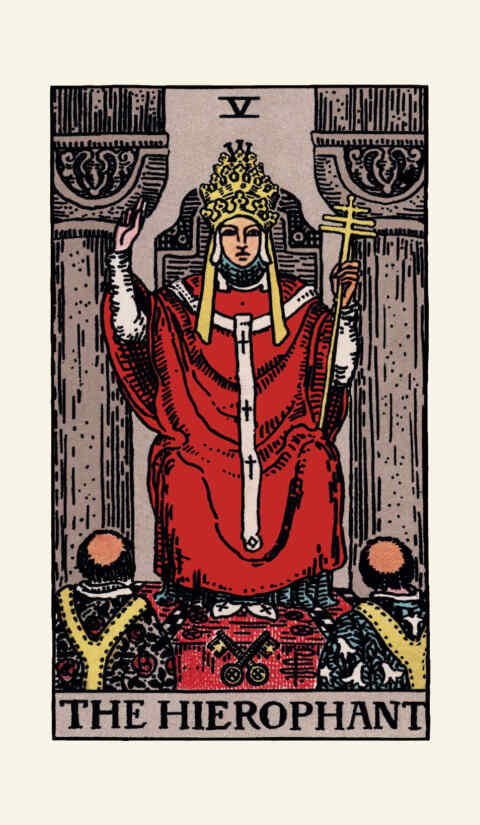
The Hierophant is the fifth card in the Major Arcana, following the Emperor (4) and preceding the Lovers (6). This positioning underscores its role as a bridge between order and choice. Traditionally depicted as a religious figure seated between two pillars, the Hierophant embodies established systems—religion, education, societal norms, and institutional authority. For many, this card’s presence in a reading feels like a reminder of rules that feel stifling or irrelevant to modern life.
When the Hierophant appears, it’s not just about blind obedience. Instead, it invites you to examine the structures you’ve inherited or chosen to follow. Are these rules serving you, or are they holding you back? The discomfort you feel might stem from a misalignment between external expectations and your inner truth. The Hierophant doesn’t demand submission; it asks you to question whether the systems you’re part of are still aligned with your values.

Why the Hierophant’s Rules Feel So Personal
One of the most common frustrations with the Hierophant is its association with dogma—whether in religion, career paths, or social expectations. If you’ve ever felt pressured to conform to a path that doesn’t resonate with you, the Hierophant’s appearance can feel like a spotlight on that tension. This card doesn’t just represent external rules; it can also reflect your own internalized beliefs about what you “should” do, believe, or achieve.
For example, if you’re in a career that was expected of you but drains your spirit, the Hierophant might be asking: Who decided this path was right for you? Similarly, if you’re questioning long-held beliefs—whether religious, political, or moral—the Hierophant can symbolize the fear of breaking away from what you’ve been taught. This discomfort isn’t just about the rules themselves; it’s about the identity crisis that arises when you realize the rules might not be yours to begin with.
The Hierophant’s Shadow Side: Control and Conformity
While the Hierophant can represent wisdom and guidance, its shadow side often emerges in readings as a warning against blind conformity. This card can highlight situations where authority is being misused—whether by a boss, a mentor, a government, or even your own inner critic. If you’re feeling stifled, the Hierophant might be urging you to ask: Am I following this path out of fear, or out of genuine alignment?
In relationships, the Hierophant can appear when there’s an imbalance of power—perhaps one partner is dictating the terms of the relationship, or a family dynamic feels oppressive. The card’s presence here is a call to examine whether the “rules” of the relationship are mutual or imposed. Similarly, in spiritual or personal growth contexts, the Hierophant might signal a need to break free from dogmatic teachings that no longer serve your evolution.
When the Hierophant Points to Necessary Structure
Not all discomfort with the Hierophant is negative. Sometimes, the rules it represents are necessary for stability, growth, or protection. For instance, the Hierophant can appear when you’re seeking mentorship or formal education—structures that provide a foundation for your development. In these cases, the card isn’t about rebellion; it’s about discerning which rules are worth following and which are worth challenging.
Consider the Hierophant as a teacher. Like any good mentor, it doesn’t just demand obedience; it encourages you to ask questions, seek deeper understanding, and decide for yourself whether to integrate its lessons. If you’re feeling resistant, ask: What is this rule protecting me from? or What would happen if I ignored it? The answers might reveal whether the rule is a guardrail or a cage.
Breaking Free Without Losing Yourself
If the Hierophant’s rules feel suffocating, the key isn’t to reject all structure outright but to find a balance. This might mean redefining your relationship with tradition—perhaps by blending old wisdom with modern interpretations, or by creating your own hybrid path. For example, you might honor your cultural heritage while adapting its practices to fit your current life. Or, you might seek out unconventional mentors who align with your values rather than blindly following institutional authority.
Another approach is to use the Hierophant’s energy to create your own rules. If you feel stifled by external expectations, ask yourself: What would my ideal structure look like? This could apply to your career, relationships, or personal beliefs. The Hierophant doesn’t have to be a source of frustration; it can be a catalyst for designing a life that feels authentic to you.
Conclusion
The Hierophant’s rules might bother you because they force you to confront the gap between what is and what could be. Whether it’s a career path, a belief system, or a relationship dynamic, this card highlights the tension between conformity and authenticity. But remember: the Hierophant isn’t just about control—it’s about wisdom, guidance, and the courage to question. By examining the rules that feel restrictive, you can decide which ones to honor, which ones to adapt, and which ones to leave behind. Ultimately, the Hierophant’s lesson is this: true authority comes from within, and the most meaningful rules are the ones you choose for yourself.
FAQ
What does the Hierophant tarot card represent?
The Hierophant tarot card symbolizes tradition, established systems, spiritual guidance, and the intersection between external authority and personal beliefs.
Why might the Hierophant's rules feel bothersome in a reading?
Because the card highlights structures and expectations that may feel restrictive, outdated, or misaligned with your personal values.
How should I interpret the Hierophant in relation to personal growth?
It encourages you to examine inherited rules critically, balancing respect for useful traditions with authentic self-expression.
Can the Hierophant card indicate a need for mentorship or learning?
Yes, it can signal seeking guidance from a mentor, spiritual teacher, or formal education for growth and stability.
Leave a Reply