Short Answer
Welcome to this comprehensive guide on Three Cards Draw – Quick Answer. Whether you’re a beginner looking to understand the basics or an experienced practitioner seeking deeper insights, this article will walk you through the key aspects of this popular divination method. You’ll learn about the different types of three-card draws, their interpretations, practical applications, and tips for accurate readings. By the end, you’ll have the knowledge to perform and interpret three-card spreads with confidence.
Understanding the Three Cards Draw Method
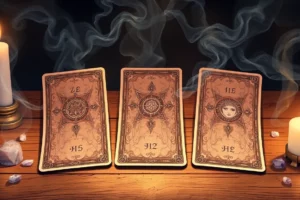
The Three Cards Draw is one of the simplest yet most versatile tarot or oracle card spreads. It involves drawing three cards to represent past, present, and future influences, or to explore a specific question from different angles. This method is ideal for quick, focused readings where clarity and brevity are valued. Each position in the spread holds a distinct meaning, allowing the reader to weave a narrative around the querent’s situation.
Unlike more complex spreads, the Three Cards Draw is accessible to beginners and can be adapted for various purposes—from decision-making and self-reflection to exploring relationships or career paths. The beauty of this method lies in its flexibility; the cards can be interpreted literally or symbolically, depending on the reader’s intuition and the context of the question.
Types of Three Cards Draw Spreads
There are several variations of the Three Cards Draw, each tailored to address different types of inquiries. Below are the most common types you’ll encounter:
1. Past, Present, Future Spread
This is the classic three-card spread, where the first card represents the past, the second the present, and the third the future. It’s perfect for gaining perspective on how past events influence current circumstances and what might unfold. For example, if the past card is The Tower (sudden upheaval), the present card is Five of Cups (loss), and the future card is The Star (hope), the reading suggests a period of turmoil followed by healing and renewal.
2. Mind, Body, Spirit Spread
This spread focuses on the querent’s holistic well-being. The first card represents the mind (thoughts and mental state), the second the body (physical health or challenges), and the third the spirit (emotional or spiritual state). It’s useful for self-care readings or when addressing health-related questions. For instance, if the mind card is Eight of Swords (feeling trapped), the body card is Three of Pentacles (collaboration), and the spirit card is Ace of Cups (new emotional beginnings), the reading may indicate a need to break free from limiting beliefs to embrace healing and creativity.
3. Situation, Action, Outcome Spread
Ideal for decision-making, this spread breaks down a situation into three parts: the current state, the recommended action, and the potential outcome. The first card reveals the core issue, the second offers guidance or a step to take, and the third shows where that action might lead. For example, if the situation card is The Chariot (determination), the action card is Six of Wands (recognition), and the outcome card is Ten of Cups (harmony), the reading suggests that perseverance and celebration will lead to fulfillment.
4. Situation, Challenge, Advice Spread
This spread helps identify obstacles and solutions. The first card outlines the situation, the second highlights the challenge or blockage, and the third provides advice or a path forward. It’s particularly helpful for problem-solving. For instance, if the situation card is The Hermit (seeking solitude), the challenge card is Seven of Swords (deception), and the advice card is The Empress (nurturing), the reading may advise the querent to trust their intuition and avoid unnecessary risks while focusing on self-care.
Interpreting the Cards in a Three Cards Draw
Interpretation is the heart of any card reading, and the Three Cards Draw is no exception. While card meanings can vary based on tradition (e.g., tarot vs. oracle decks), here are some general guidelines to help you get started:
Card Positions and Their Meanings
- First Card (Left): Represents the foundation or root of the situation. It often reflects past influences, underlying issues, or the core energy of the matter.
- Second Card (Middle): Embodies the present moment or the current state of affairs. This card often highlights what’s most pressing or immediate in the querent’s life.
- Third Card (Right): Indicates the potential future or the likely outcome if current trends continue. It can also suggest a lesson or a shift in perspective.
Card Combinations and Narratives
When interpreting a Three Cards Draw, pay attention to how the cards interact. For example:
- Contrast: If the first card is The Sun (joy) and the third is The Tower (sudden change), the reading may suggest that a period of happiness is about to be disrupted by unexpected events.
- Flow: If the cards progress from The Magician (action) to The High Priestess (intuition) to The Star (hope), the narrative might indicate a journey from taking initiative to trusting inner wisdom, leading to optimism.
- Repetition: If two or more cards share a theme (e.g., both The Empress and Queen of Cups represent nurturing), the reading emphasizes the importance of care, creativity, or emotional connection in the querent’s life.
Reversed Cards
Reversed cards add depth to the reading by indicating blocked energy, internal struggles, or delayed outcomes. For example, a reversed Three of Cups in a past-present-future spread might suggest unresolved emotional issues, while a reversed Knight of Swords could imply impulsive decisions leading to setbacks. Always consider the context of the question and the surrounding cards when interpreting reversals.
Practical Applications of the Three Cards Draw
The Three Cards Draw is a versatile tool that can be used in various contexts. Here are some practical ways to apply this method:
For Personal Growth and Self-Reflection
Use the spread to explore your emotions, goals, or challenges. For example, ask, “What do I need to focus on this week?” and draw three cards to reveal your priorities, distractions, and potential outcomes. This can help you align your actions with your intentions.
For Decision-Making
When faced with a tough choice, use the Situation, Action, Outcome spread to weigh your options. The cards can highlight the pros and cons of each path and guide you toward the most aligned decision. For instance, if the action card is The Hanged Man (surrender), the reading may advise patience or a new perspective before acting.
For Relationships
Explore dynamics between you and another person with a spread like Mind, Body, Spirit or Situation, Challenge, Advice. For example, if the situation card is Two of Cups (connection), the challenge card is Three of Swords (heartbreak), and the advice card is The Lovers (harmony), the reading suggests that while there may be pain, love and commitment can overcome it.
For Career and Finances
Use the spread to gain clarity on job opportunities, financial decisions, or career paths. For example, if the situation card is The Ten of Pentacles (legacy), the action card is King of Wands (leadership), and the outcome card is Six of Pentacles (generosity), the reading may indicate a legacy-building opportunity that requires bold leadership and collaboration.
Tips for Accurate and Insightful Readings
To get the most out of your Three Cards Draw, keep these tips in mind:
1. Set a Clear Intention
Before drawing the cards, clarify your question or focus. A vague query like “What’s going on in my life?” may yield a vague reading. Instead, ask something specific, such as “What do I need to know about my current relationship?” or “What’s the best step to take in my career?”
2. Shuffle with Purpose
Shuffle the deck while concentrating on your question. Some readers prefer to cut the deck into three piles and reassemble them, while others draw the cards directly. Choose a method that feels intuitive to you.
3. Trust Your Intuition
While traditional card meanings are helpful, your gut feeling is equally important. If a card’s imagery or energy resonates strongly with you, explore that meaning further. For example, if The Moon appears and you associate it with confusion, lean into that interpretation rather than forcing a textbook meaning.
4. Consider the Timing
If you’re using the spread for future outcomes, remember that tarot and oracle cards offer potential paths, not fixed destinies. The future card reflects likely trends based on current energies, but free will can always alter the outcome.
5. Journal Your Readings
Keep a record of your spreads, including the cards drawn, your interpretations, and any follow-up events. Over time, you’ll notice patterns in your readings and deepen your understanding of the cards.
Common Mistakes to Avoid
Even experienced readers can fall into traps that skew their interpretations. Here are some pitfalls to watch for:
1. Overcomplicating the Spread
The Three Cards Draw is meant to be simple. Avoid reading too much into minor details or trying to force a narrative that isn’t there. Stick to the core meanings of the cards and their positions.
2. Ignoring Card Imagery
While traditional meanings are useful, the imagery on the cards often holds clues. For example, if The Tower appears and you see lightning striking a building, consider themes of sudden change or destruction in your interpretation.
3. Relying Solely on Reversed Cards
Reversals can add depth, but they’re not always necessary. If you’re new to tarot, focus on upright meanings first. Reversals can come later as you become more comfortable with the deck.
4. Forgetting the Querent’s Context
A card’s meaning can shift based on the querent’s life. For example, The Death card might represent transformation for one person but fear for another. Always tailor your interpretation to the individual.
Conclusion
The Three Cards Draw is a powerful yet accessible tool for gaining clarity, guidance, and insight. Whether you use it for quick daily draws, deep self-reflection, or decision-making, this method offers a structured way to explore life’s questions. By understanding the different types of spreads, interpreting card positions, and trusting your intuition, you can unlock the wisdom of the cards in just three draws.
Remember, the key to a meaningful reading lies in your connection to the cards and the question you ask. Practice regularly, stay open to the messages, and let the Three Cards Draw become a trusted companion on your journey. With time and experience, you’ll find that even the simplest spreads can reveal profound truths.
FAQ
What is the Three Cards Draw tarot spread?
The Three Cards Draw is a simple tarot spread where three cards are drawn to represent different aspects such as past, present, and future, or mind, body, and spirit, allowing for a quick and focused reading.
How do I interpret the positions in a Three Cards Draw?
Typically, the first card represents the past or foundation, the second card the present situation, and the third card the future outcome or lesson.
Can the Three Cards Draw be used for decision-making?
Yes, spreads like Situation, Action, Outcome help break down decisions by clarifying the current state, recommended steps, and potential results.
What does a reversed card mean in a Three Cards Draw?
Reversed cards often indicate blocked energy, internal struggles, delays, or challenges related to the card’s upright meaning, adding depth to the interpretation.
Leave a Reply