Short Answer
The Hanging Man tarot card is a compelling symbol, often eliciting curiosity, contemplation, and even a bit of apprehension among those who encounter it. In the realm of tarot, the figurative imagery encapsulates themes of surrender, transformation, and new perspectives. When viewed through a Christian lens, the card gains an additional layer of complexity, inviting both introspection and wrestled theological discourse. Could the concepts embodied by the Hanging Man parallel the teachings of Christ? This inquiry delves deeper into the intricate web of symbolism and meaning associated with this enigmatic tarot card.
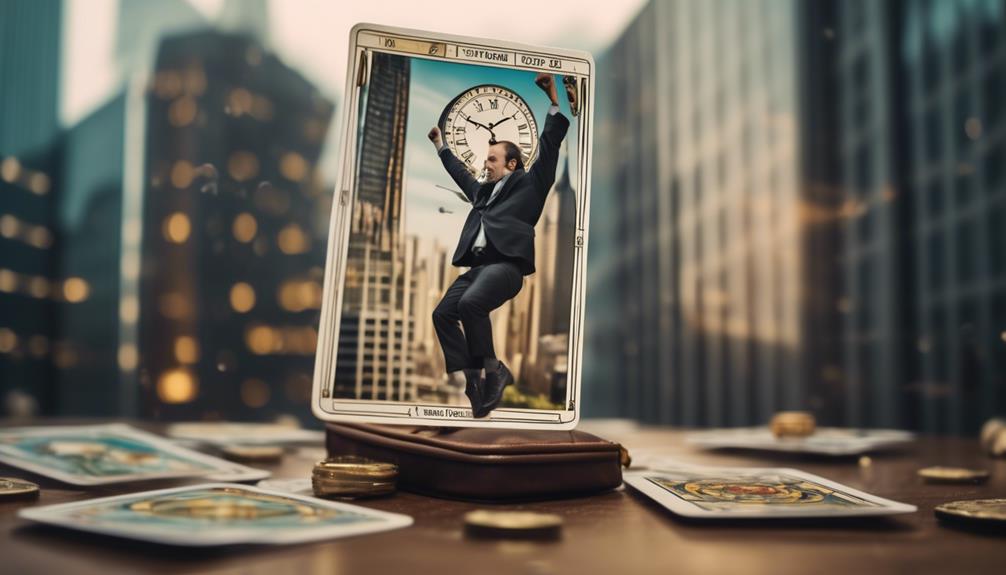
At first glance, the image of the Hanging Man depicts a figure suspended upside down, typically by one foot, exuding an aura of serenity amidst the unconventional posture. This positioning signifies an invitation to relinquish control, an act of submission. In Christianity, this idea finds resonance in the act of surrendering to God’s will. The believer is often called to trust in divine providence, even when circumstances appear perplexing or when challenges loom large. Is it possible, then, that the Hanging Man echoes the Christian principle of submission?
The juxtaposition of struggle and enlightenment presents an intriguing irony. In many ways, the Hanging Man’s experience of being upside down compels a reevaluation of life’s values and priorities. Just as Jesus spoke of the first being last, the last being first, the card embodies the essence of paradox. For Christians, the moment of looking at the world from an inverted perspective can illuminate hidden truths and foster a deeper understanding of faith. When believers confront trials, they may discover that these periods of hardship serve as pivotal moments for spiritual growth. Could embracing these tribulations lead to a transformative experience akin to the sacrifice of Christ?
Furthermore, the Hanging Man suggests a sense of waiting or being in limbo—waiting to discover what lies ahead while remaining suspended in uncertainty. This notion parallels the idea of patience emphasized within scripture. For instance, James 1:2-4 instructs believers to consider it joy when facing trials, as these moments help cultivate resilience and maturity. The interplay between waiting and faith can lead to profound revelations, allowing individuals to cultivate a richer spiritual life. Thus, the question arises: in our digitally driven world—where instant gratification reigns—how often does one pause to reflect and embrace the transformative power of waiting?
Moreover, there exists a broader thematic element in the Hanging Man’s surrender. Reflecting on John’s Gospel, Jesus exemplified the ultimate act of yielding through His crucifixion—a divine submission to a greater plan. The act of yielding does not imply weakness; it can denote strength and resolve, as shown by the figures in biblical narratives who embraced conditions beyond their control with poise. The willingness to accept one’s circumstances, no matter how trying, aligns closely with the Christian doctrine of ‘dying to self’ and living in accordance with God’s purpose.
In contemplating the Hanging Man from a Christian perspective, one must grapple with the implications of sacrifice and redemption. The card can symbolize the invitation to let go of self-imposed limitations and expectations—much like the call to accept the sacrifices associated with following Christ. Each reflection on the card can ignite a discussion about what it truly means to sacrifice for the greater good and how this often necessitates an element of discomfort and uncertainty. What aspects of your life must you surrender to realize a more profound sense of purpose?
It is also essential to examine the potential challenges that arise with this perspective. The act of waiting or surrendering can provoke inner turmoil. Individuals may wrestle with doubt, anxiety, and the fear of setbacks on their spiritual journey. This duality can, at times, feel tumultuous and disheartening. Yet, as Christians are reminded, these struggles are often precursors to profound growth and deeper faith. The trials faced can instill a sense of resilience, serving as poignant reminders of Christ’s enduring love and unwavering support in times of difficulty. Are these challenges perhaps part of the path toward enlightenment that both the Hanging Man and Jesus encapsulate?
Finally, understanding the Hanging Man through a Christian lens encourages a fertile ground for discussion and dialogue. It houses rich possibilities for theological exploration and reflection on personal experiences. As believers navigate their spiritual pathways, they may find themselves resonating with this card in moments of reflection, as well as during trials and tribulations. It invites an encouragement to perceive one’s life from various angles—ultimately gaining clarity and understanding that could align with a divine purpose.
Embracing the concept of surrender as illustrated by the Hanging Man creates substantial opportunities for spiritual introspection. Instead of resisting the notion of relinquishing control, perhaps believers can view it as an opportunity. This card provides a canvas for deeper exploration of faith, life challenges, and the work of divine grace. In juxtaposing its imagery with Christian tenets, the Hanging Man reveals that while one may feel disoriented or powerless at times, this inverted state can also lead to profound insights and a richer, more fulfilling relationship with the divine. Are you prepared to hang upside down for a moment, allowing the world to turn and reveal new vistas of understanding in your life? The invitation, through faith, is ever-present and ripe with potential.
FAQ
What is the meaning of the Hanging Man tarot card?
The Hanging Man represents surrender, new perspectives, and spiritual transformation, encouraging reflection and acceptance of circumstances.
How does the Hanging Man relate to Christian teachings?
It parallels Christian themes of submission to God's will, embracing sacrifice, and finding spiritual growth during trials.
What does the imagery of the Hanging Man signify?
The upside-down figure symbolizes looking at the world differently, letting go of control, and gaining insight through surrender.
Does the Hanging Man tarot card suggest waiting or uncertainty?
Yes, it often indicates a period of waiting or being in limbo, highlighting patience and faith.
Leave a Reply