Short Answer
In this guide, you’ll explore the reversed Ace of Cups, a powerful tarot card that often signals emotional blockages, unexpressed feelings, or a disconnect from your inner self. Whether you’re seeking clarity in relationships, personal growth, or emotional healing, understanding this card’s message can provide valuable insights. You’ll learn how to recognize emotional blocks, uncover their deeper causes, and take meaningful steps toward healing and renewal.
Understanding the Ace of Cups Reversed
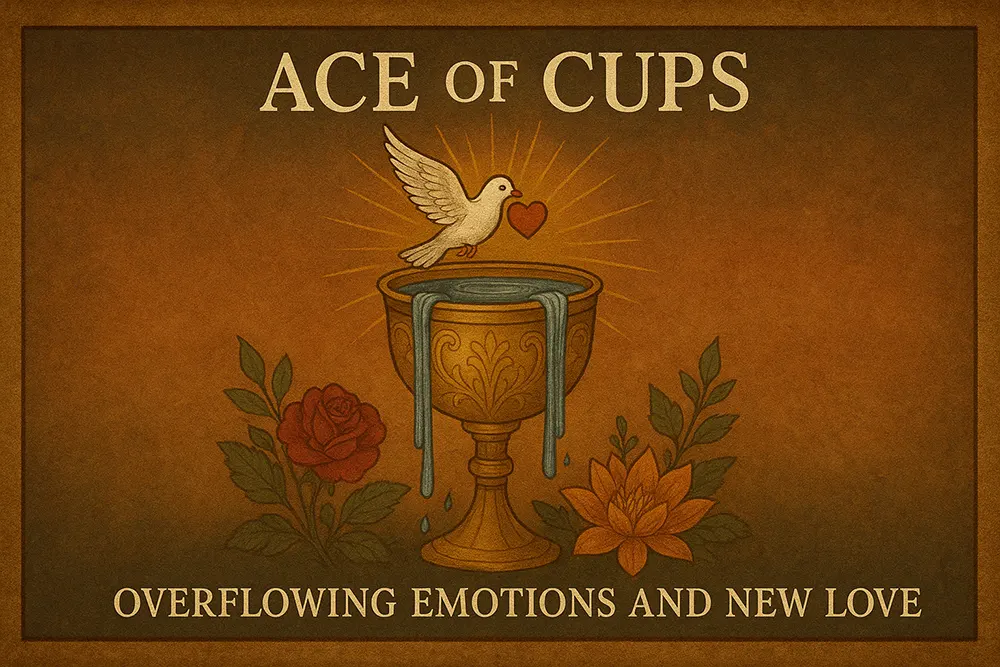
The Ace of Cups is traditionally a card of new emotional beginnings, love, and intuition. When reversed, however, it suggests a stagnation or suppression of these energies. Instead of a flood of inspiration or heartfelt connections, you may feel emotionally drained, numb, or disconnected. This reversal can manifest as a reluctance to open up, fear of vulnerability, or an inability to express your true feelings. It’s not just about lacking love—it’s about the barriers preventing you from receiving or giving it freely.
This card often appears when you’re avoiding emotional risks or holding onto past hurts. The reversed Ace of Cups warns against emotional isolation, urging you to examine why you might be resisting love, joy, or intimacy. It’s a call to address unresolved emotions that are weighing you down, even if it feels uncomfortable.
Signs of Emotional Blockage
Recognizing an emotional block is the first step toward healing. Common signs include feeling emotionally detached, experiencing sudden mood swings, or avoiding conversations about feelings. You might notice a pattern of self-sabotage in relationships, where you pull away just as things start to deepen. Physical symptoms like fatigue, headaches, or digestive issues can also signal suppressed emotions. The reversed Ace of Cups highlights these disruptions, urging you to pause and reflect on what’s really going on beneath the surface.
Another key indicator is a sense of emptiness or apathy, even in situations that would normally bring joy. You may feel like you’re going through the motions without truly engaging. This isn’t just a temporary slump—it’s a sign that your emotional cup is overflowing in the wrong direction, leaving no room for new experiences or connections.
Why Emotional Blocks Develop
Emotional blocks rarely form without reason. Often, they stem from past traumas, unmet needs in childhood, or repeated disappointments in relationships. For example, if you grew up in an environment where emotions were dismissed or punished, you might have learned to suppress your feelings as a coping mechanism. Similarly, if a past relationship left you heartbroken, you may have built walls to protect yourself, even if it means shutting out potential love.
Fear plays a huge role in emotional blocks. Fear of rejection, fear of being hurt again, or even fear of your own emotions can keep you stuck. The reversed Ace of Cups forces you to confront these fears, asking: What am I afraid of losing if I open up? Sometimes, the answer lies in acknowledging that the real loss is the joy and connection you’re missing out on.
How to Break Through Emotional Barriers
Healing from an emotional block starts with self-awareness. Journaling can be a powerful tool—write about your feelings without judgment, and notice patterns in your reactions. Meditation or mindfulness practices can help you reconnect with your inner self, making it easier to identify what’s holding you back. If the block feels too heavy to tackle alone, therapy or counseling can provide a safe space to explore these emotions.
Small, intentional steps can also make a difference. Try expressing a long-held emotion to someone you trust, even if it’s just a single sentence. Engage in creative outlets like art, music, or writing to channel your feelings in a non-verbal way. The goal isn’t to force a breakthrough but to create opportunities for emotions to flow naturally. Remember, healing isn’t linear—some days will feel easier than others, and that’s okay.
Reversed Ace of Cups in Love and Relationships
In matters of the heart, the reversed Ace of Cups can signal a period of emotional withdrawal or unmet needs. You might feel like you’re giving more than you’re receiving, or that your partner isn’t meeting you on an emotional level. This card asks you to examine whether the issue lies in the relationship itself or within your own reluctance to be vulnerable. Are you holding back because you’re afraid of getting hurt, or is your partner truly unresponsive?
If you’re single, this card might reflect a fear of intimacy or a pattern of attracting emotionally unavailable partners. It’s a reminder to work on your own emotional readiness before seeking a relationship. For those in a relationship, it’s a call to communicate openly about your needs and fears. Sometimes, simply stating, “I’m struggling to connect right now,” can open the door to deeper understanding.
Reversed Ace of Cups and Self-Love
Self-love is often the missing piece when the Ace of Cups appears reversed. You might be so focused on others—pleasing them, meeting their needs—that you neglect your own emotional well-being. This card urges you to turn inward and ask: Am I showing myself the kindness and compassion I deserve? Start by setting boundaries, saying no when necessary, and prioritizing activities that nourish your soul. True healing begins when you fill your own cup first.
Practicing self-love also means forgiving yourself for past mistakes or perceived failures. The reversed Ace of Cups can amplify feelings of guilt or shame, but these emotions only deepen the block. Replace self-criticism with gentle reminders that you’re doing the best you can. Affirmations like “I am worthy of love and joy” can help rewire your mindset over time.
Conclusion
The reversed Ace of Cups is a gentle but firm reminder that emotional blocks are not permanent—they’re signals that something needs your attention. By recognizing the signs, understanding their roots, and taking intentional steps toward healing, you can break free from the cycle of suppression and rediscover your capacity for love, joy, and connection. Whether it’s through self-reflection, open communication, or creative expression, the path to healing starts with a single step: acknowledging that your emotions matter.
FAQ
What does the reversed Ace of Cups represent in tarot?
It represents emotional blockages, suppressed feelings, fear of vulnerability, and challenges in expressing true emotions.
How can I recognize emotional blocks indicated by the reversed Ace of Cups?
Signs include emotional detachment, mood swings, avoidance of emotional conversations, self-sabotage in relationships, and physical symptoms related to suppressed emotions.
What steps can I take to heal from emotional blocks suggested by this card?
Healing involves self-awareness, journaling, mindfulness, therapy, creative expression, and practicing self-love and setting healthy boundaries.
How does the reversed Ace of Cups affect love and relationships?
It can indicate emotional withdrawal, unmet needs, fear of intimacy, or relational communication challenges requiring openness and vulnerability.
Why do emotional blocks develop according to this tarot interpretation?
They often arise from past traumas, unmet childhood needs, repeated disappointments, or fears of rejection and emotional pain.
Leave a Reply