Short Answer
Welcome to your comprehensive guide on Death Reversed – Stuck Because You’re Scared. In this article, you’ll explore the multifaceted meanings behind this tarot card combination, understand its implications in different contexts, and discover practical ways to navigate the paralysis it represents. Whether you’re a tarot enthusiast, a seeker of self-awareness, or someone facing a moment of hesitation, this guide will provide clarity and actionable insights. Expect detailed explanations, real-world examples, and visual aids to enrich your understanding.
Understanding Death Reversed: The Core Meaning
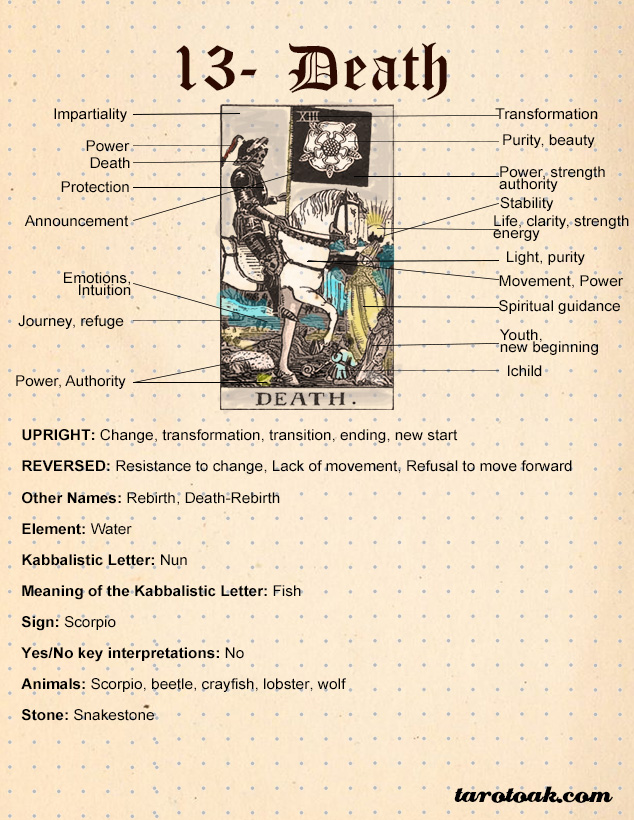
Death Reversed, often depicted as the Death card in its upside-down position, symbolizes stagnation, resistance to change, and fear of transformation. Unlike its upright counterpart—which signifies endings, rebirth, and necessary change—Death Reversed suggests being stuck in a cycle of avoidance. You may recognize this as procrastination, denial, or an unwillingness to let go of the past. The card highlights a mental block: you know change is needed, but fear paralyzes your ability to act.
This fear isn’t always about dramatic life events. It can manifest in smaller, everyday decisions—like avoiding a difficult conversation, delaying a project, or refusing to release an outdated habit. The key takeaway is that Death Reversed isn’t about literal death but about the death of old patterns that no longer serve you. The card urges you to confront what’s holding you back before it consumes your energy.
Why You’re Stuck: Psychological and Emotional Roots
Fear is the driving force behind being “stuck” in Death Reversed. This fear often stems from several psychological sources:
- Fear of the Unknown: Change introduces uncertainty, and the brain prefers familiarity—even if it’s painful. This is rooted in the amygdala’s threat-detection system, which reacts strongly to perceived risks.
- Perfectionism: The belief that you must do everything flawlessly can lead to inaction. If you can’t achieve the “perfect” outcome, why start at all?
- Past Trauma: Previous experiences of failure or loss may create a subconscious belief that change leads to pain. This can make you cling to safety, even when it’s unhealthy.
- Low Self-Efficacy: Doubting your ability to handle change can make the idea of transformation feel overwhelming. You might think, “What if I fail?”
Recognizing these roots is the first step toward breaking free. Journaling or therapy can help uncover which fears are driving your paralysis. Ask yourself: What am I afraid would happen if I moved forward?

Death Reversed in Different Areas of Life
This card’s message varies depending on the context. Here’s how it might appear in key life areas:
Career and Ambitions
In a career context, Death Reversed could indicate staying in a job you hate out of fear of the unknown. You might avoid applying for promotions, switching fields, or even updating your resume. The paralysis comes from imagining worst-case scenarios—like failing in a new role or struggling to find another job. However, stagnation often leads to resentment and burnout. The card asks: What’s the smallest step you can take to explore change without committing fully?
Relationships
In relationships, Death Reversed might show up as avoiding difficult conversations with a partner, family member, or friend. You may fear conflict, rejection, or hurting someone’s feelings, so you suppress your needs. This can lead to resentment or emotional distance. The card encourages you to ask: What truth have I been avoiding sharing? Small, honest conversations can break the cycle of avoidance.
Personal Growth
On a personal level, Death Reversed could represent clinging to old identities or habits that no longer align with who you are. For example, holding onto a self-image from years ago or refusing to let go of a past mistake. The card reminds you that growth requires shedding what no longer fits. Try asking: What part of my identity is outdated?
Visualizing the Fear: How Art and Media Depict Paralysis
Art and media often use powerful imagery to represent the fear of change. For instance:
- Film and TV: Scenes where a character is paralyzed by fear—like a horror movie protagonist frozen in terror—mirror the emotional state of Death Reversed. These moments highlight the struggle between instinct (fight or flight) and rational thought.
- Photography: Images of people looking over their shoulders or standing at a crossroads symbolize indecision. The photo of a person frozen in fear (like the one above) visually captures the essence of being stuck.
- Literature: Characters who avoid change often face dramatic consequences, serving as cautionary tales. Their stories remind us that avoidance rarely leads to happiness.
These examples can help you recognize your own patterns. When you see these visuals, ask: Where do I see myself in this?
Breaking Free: Practical Steps to Overcome Death Reversed
Overcoming the paralysis of Death Reversed requires both mindset shifts and actionable strategies. Here’s how to start:
1. Acknowledge the Fear Without Judgment
Start by naming your fear. Write it down or say it out loud: “I’m afraid of [X] happening if I change.” This simple act reduces the fear’s power. Remember, fear is a signal, not a life sentence. It’s okay to feel scared—it means you care.
2. Start Small
Change doesn’t have to be all-or-nothing. Break your goal into tiny, manageable steps. For example, if you’re avoiding a career change, start by updating your LinkedIn profile or researching one new industry. Small actions build momentum.
3. Reframe Your Mindset
Instead of thinking, “I have to do this perfectly,” try, “I’m learning as I go.” Perfectionism is the enemy of progress. Remind yourself that mistakes are part of the process.
4. Seek Support
Talk to someone you trust about your fears. Sometimes, external perspectives can help you see solutions you’ve overlooked. Therapy or coaching can also provide tools to navigate change.
5. Visualize Success
Close your eyes and imagine yourself taking the first step. How does it feel? Relief? Excitement? Use this visualization to motivate yourself when doubt creeps in.
Death Reversed in Tarot Readings: What to Watch For
If you’re pulling tarot cards and see Death Reversed, pay attention to these nuances:
- Surrounding Cards: Cards like The Tower or Five of Cups nearby may indicate that avoidance is leading to chaos or emotional pain. Conversely, The Star or Three of Cups could suggest that change will bring joy.
- Your Intuition: How does the card make you feel? Discomfort often points to the area of life that needs attention.
- Timing: Death Reversed can indicate that change is being delayed, not canceled. The universe may be giving you time to prepare.
Use these insights to guide your next steps. The card isn’t a punishment—it’s a nudge to face what you’ve been avoiding.
Conclusion
Death Reversed – Stuck Because You’re Scared is a powerful reminder that growth often begins with discomfort. The card doesn’t predict doom; it highlights the cost of inaction and the freedom that comes from letting go. By understanding the psychological roots of your fear, breaking challenges into smaller steps, and reframing your mindset, you can transform paralysis into progress.
Remember, the fear of change is universal. What matters is how you respond to it. Will you let fear keep you stuck, or will you take the first step toward the life you truly want? The choice is yours—and the time to start is now.
FAQ
What does the Death Reversed tarot card symbolize?
It symbolizes resistance to change, fear of transformation, and being stuck in old patterns.
How can I interpret Death Reversed in a career reading?
It suggests fear of leaving a current job, avoidance of promotions or change, leading to stagnation.
What practical steps help with the fear shown by Death Reversed?
Acknowledging fear, taking small actions, seeking support, and visualizing positive outcomes.
Is Death Reversed a negative card?
Not necessarily; it indicates delayed change and a call to face fears for eventual growth.
Leave a Reply