Short Answer
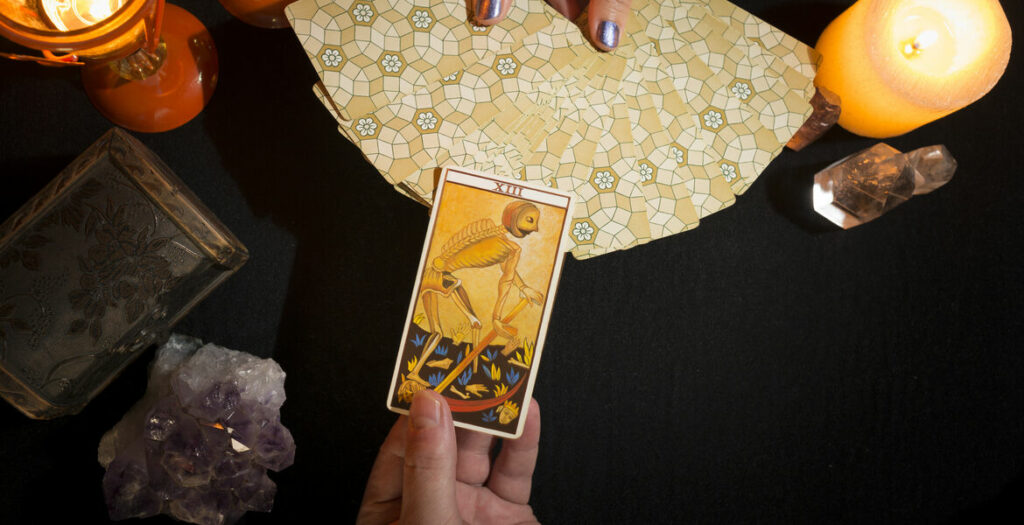
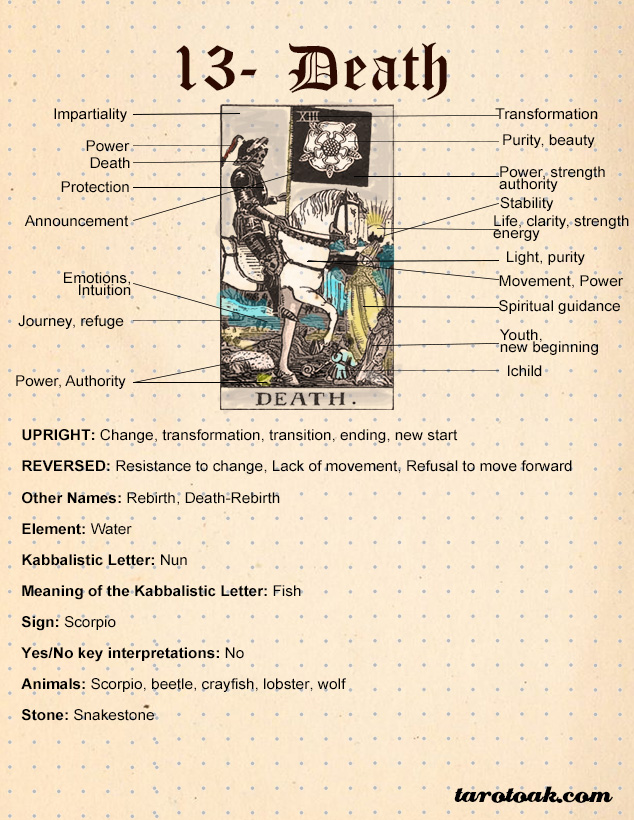
The Death Tarot card, often met with trepidation and misunderstanding, carries profound implications, especially when contemplated through the lens of health and well-being from a Christian perspective. Unlike its ominous connotation, the card signifies transformation and renewal, resonating with the biblical themes of rebirth and the promise of a new life. In this article, we shall explore the multifaceted meanings of the Death Tarot card, specifically in relation to health, while considering its alignment with Christian doctrines.
To begin with, the Death card predominantly embodies the transition from one phase of existence to another. Within the context of health, this symbolism can signify the cessation of unhealthy habits, emotional burdens, or physical ailments. Just as Christ’s resurrection affirms the victory over death, this card encourages individuals to relinquish what no longer serves them in terms of physical and mental health.
Furthermore, one must consider the significance of endings as a precursor to new beginnings. In the Christian faith, the cycle of death and rebirth is an essential theme. For instance, when one interprets the Death card from a health perspective, it may represent a pivotal moment for self-reflection. Illness may compel individuals to confront their lifestyle choices, catalyzing a reevaluation of their physical, emotional, and spiritual health. This introspection can lead to a revitalization of one’s overall well-being.
Transitioning into practical implications, the Death card often serves as an encouragement to embark on a transformative health journey. Adhering to Christian values, one may interpret this as a divine nudge to pursue holistic health. Integrating prayer, meditation, and scripture study into one’s daily routine can be pivotal. These practices foster a sense of peace and stability, allowing individuals to process their health challenges more effectively and fortifying their spirit against despair.
Nutrition also plays a quintessential role in this symbolic transformation. In many biblical narratives, food is presented as nourishment for both body and soul. The act of choosing wholesome, nutritious foods over unhealthy options symbolizes the death of detrimental habits. This serves to echo the Christian concept of stewardship over one’s body, viewed as a temple of the Holy Spirit. Making conscientious dietary choices can represent a spiritual act of reverence as well as a commitment to personal health.
Additionally, physical activity is an essential aspect of maintaining health, which aligns with the transformative essence of the Death card. Engaging in exercise is not merely a means to an end; it is a holistic approach to health that can foster spiritual clarity and emotional resilience. Christian teachings often emphasize the importance of nurturing one’s body as a divine gift. Thus, the Death card can be interpreted as a call to embrace physical activity as a pathway to renewal and rejuvenation.
Moreover, emotional healing is an integral component of health that aligns with the Death card’s message of transformation. Grappling with grief, loss, and trauma can be daunting. Within the Christian doctrine, there are numerous references to finding solace in Christ during tumultuous times. The Death card invites believers to confront emotional pain, recognizing that it is through this struggle that they may emerge stronger, akin to the resurrection narrative, where hope springs eternal.
Furthermore, interpersonal relationships often undergo metamorphosis in times of health crises. The Death card implores individuals to evaluate the dynamics of their relationships and the support systems surrounding them. The Christian faith advocates for community and compassion. Hence, cultivating healthy relationships, letting go of toxicity, and fostering connections with those who nurture one’s spirit can yield significant benefits for emotional health.
In light of the aforementioned reflections, it is imperative to recognize that the Death Tarot card also serves as a reminder of mortality. In a society that often shies away from discussions about death, it is crucial to confront this inevitability with grace and faith. The acknowledgment of mortality can drastically alter one’s perspective on health. Embracing the limited nature of life encourages individuals to prioritize their health and well-being. It serves as a poignant reminder to be vigilant stewards of one’s body, allowing for a transformative experience that echoes the core tenets of Christianity.
As we derive meaning from the Death card, it becomes apparent that embracing change is central to both its interpretation and the Christian faith. Growth often requires the death of old habits, mindsets, or even struggles. If approached with faith, the transitions signified by the Death card can illuminate the path to physical vitality, emotional stability, and spiritual fulfillment.
In conclusion, the Death Tarot card, far from being a harbinger of doom, holds a transformative significance in the realms of health and well-being. Viewed through the prism of Christianity, this card becomes a beacon of hope, urging individuals to engage in self-reflection, practice holistic health, and cultivate enduring faith. By embracing the symbolism of the Death card, one can navigate health journeys with renewed vigor, informed by the promise of resurrection and the transformative power of faith.
FAQ
What does the Death Tarot card mean in health readings?
It represents the end of unhealthy patterns and a call for physical, emotional, and spiritual transformation.
How does Christianity influence the interpretation of the Death card?
Christianity frames the card as a symbol of rebirth and resurrection, encouraging faith-based renewal and stewardship of the body.
Can the Death card indicate positive change in health?
Yes, it encourages embracing change for improved well-being and holistic healing.
Leave a Reply