Short Answer
Ever drawn a tarot card and felt a sudden chill run down your spine? Not all tarot cards are sunshine and roses—some carry messages that sting, challenge, or even warn. Whether you’re a seasoned reader or a curious beginner, understanding the “bad” tarot cards can deepen your insight and prepare you for life’s tougher lessons. In this guide, we’ll explore the cards that often bring less-than-pleasant messages, why they appear, and how to interpret them without letting fear take the wheel. By the end, you’ll see these cards not as curses, but as powerful guides pointing toward growth and awareness.
Why Do “Bad” Tarot Cards Exist?
Tarot is a mirror—not just of the future, but of the self. The so-called “bad” cards don’t exist to punish; they highlight obstacles, fears, or truths we might prefer to ignore. These cards often represent:
- Shadow aspects of ourselves we’ve neglected or suppressed.
- External challenges like loss, betrayal, or unexpected change.
- Karmic lessons tied to past actions or decisions.
For example, the Tower card isn’t just about destruction—it’s about breaking down old structures to rebuild something stronger. The “bad” label often comes from our discomfort with these truths, not the cards themselves. By embracing their messages, we transform fear into wisdom.
The Most Feared Tarot Cards (And What They Really Mean)
Some cards consistently rank as the most intimidating in a tarot deck. Here’s a breakdown of the usual suspects and their deeper meanings:
The Tower (XVI)
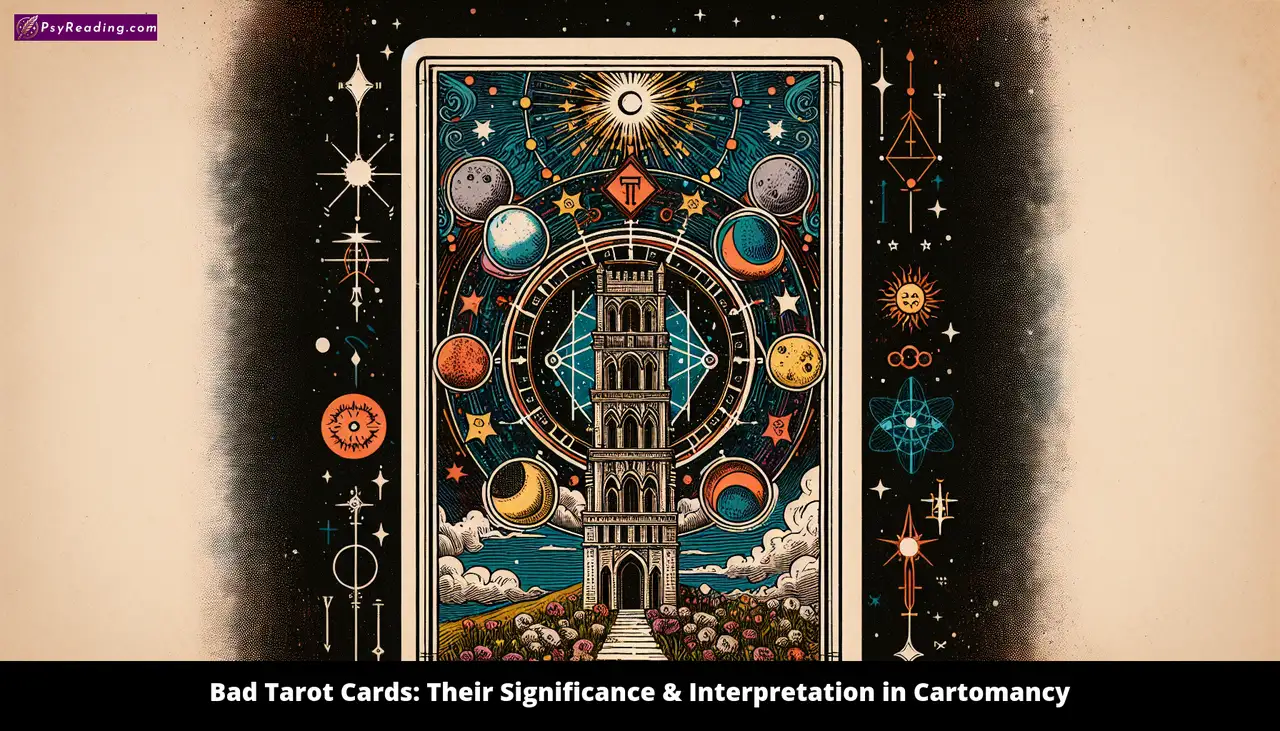
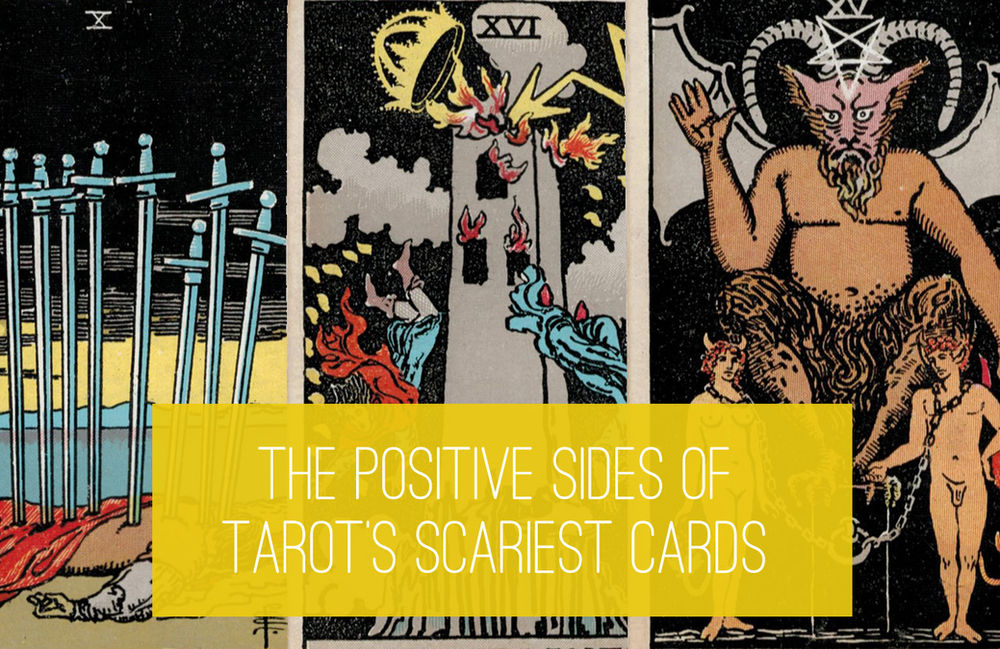
The Tower is the ultimate “oh no” card. It shows a tall structure crumbling under a lightning strike, with figures plummeting from its heights. At first glance, it screams disaster—but its message is about sudden upheaval leading to necessary change. This card often appears when:
- You’re clinging to a situation that’s no longer sustainable.
- A long-held belief or identity is being challenged.
- You’re about to experience a wake-up call that forces growth.
Instead of panicking, ask: What illusion is this card shattering in my life? The Tower’s destruction paves the way for clarity.
Ten of Swords
This card depicts a person stabbed in the back—literally. It’s the embodiment of betrayal, defeat, or hitting rock bottom. But before you spiral, consider its nuance:
- It may signal the end of a painful cycle, not the end of everything.
- The pain is often self-inflicted (e.g., toxic habits, toxic relationships).
- It’s a reminder that even the darkest moments are temporary.
Think of it as the tarot’s way of saying, “This hurts, but it’s not forever.” The Ten of Swords invites you to rise from the ashes.
Five of Cups
This card shows a person staring at three spilled cups, oblivious to the two full ones behind them. It’s a masterclass in focus and perspective. The Five of Cups appears when:
- You’re fixating on losses or regrets.
- You’re ignoring the blessings still present in your life.
- You need to shift your attention from what’s missing to what’s abundant.
The key here? Look up. The two standing cups represent hope, love, or opportunities you’re overlooking. This card teaches resilience through gratitude.
Three of Swords
Imagine a heart pierced by three swords, with rain pouring down. This card is all about heartbreak, sorrow, or emotional pain. It might reflect:
- A recent betrayal or loss.
- Unprocessed grief or sadness.
- A need to release pent-up emotions.
But here’s the twist: The Three of Swords isn’t just about suffering—it’s about healing through pain. The storm will pass, and the card’s presence is a sign that it’s time to tend to your emotional wounds.
How to Work With “Bad” Tarot Cards
Drawing a challenging card doesn’t mean doom is inevitable. Instead, use these strategies to navigate its energy:
1. Pause and Breathe
When a “bad” card appears, your first instinct might be to dismiss it or panic. Instead, take a deep breath. Ask yourself: What is this card trying to teach me? Avoid jumping to worst-case scenarios. Tarot is a tool for insight, not prophecy.
2. Look for the Lesson
Every card, no matter how painful, carries a lesson. For example:
- The Devil (XV) might reveal toxic attachments or self-sabotage.
- Nine of Wands could show burnout or the need to set boundaries.
- Eight of Swords suggests feeling trapped by your own thoughts.
Ask: How can I apply this wisdom to my life? The answer often lies in the card’s symbolism or your gut reaction to it.
3. Seek Balance
“Bad” cards often highlight extremes. Counterbalance their energy by pulling a clarifying card, such as:
- The Star (hope) after The Tower (upheaval).
- Two of Cups (connection) after Three of Swords (heartbreak).
- Six of Pentacles (generosity) after Five of Pentacles (scarcity).
This doesn’t erase the card’s message but softens its impact.
4. Journal Your Insights
Write down the card’s imagery, your initial reaction, and any memories or emotions it stirs. Over time, you’ll notice patterns—like whether you consistently draw The Tower during major life transitions. Journaling turns fear into clarity.
When “Bad” Cards Are Actually Blessings in Disguise
Some of the most “negative” cards are secretly your greatest allies. Consider:
- Death (XIII): Not literal death, but transformation. It’s the end of a phase, not your life.
- Ten of Wands: A sign you’re overcommitting. It’s a nudge to delegate or rest.
- Knight of Swords: Impulsivity or aggression. It’s a call to slow down and think before acting.
These cards force you to confront what you’ve been avoiding. In doing so, they clear the path for something better.
Conclusion
Tarot’s “bad” cards aren’t villains—they’re teachers in disguise. Whether it’s The Tower’s lightning strike, the Ten of Swords’ betrayal, or the Five of Cups’ spilled wine, each card carries a message meant to guide, not harm. The next time you draw one, resist the urge to fear it. Instead, ask: What is this card revealing about my path? What shadows is it asking me to face?
Remember, the tarot’s power lies in its honesty. By leaning into the discomfort of these cards, you transform fear into foresight and pain into power. So the next time a “bad” card appears, smile—you’re about to learn something invaluable.
FAQ
What are 'bad' tarot cards?
'Bad' tarot cards are those traditionally viewed as ominous or challenging, often representing obstacles, change, or emotional pain.
Why do 'bad' cards appear in readings?
They highlight areas of life requiring attention, growth, or transformation, helping the querent face realities they might otherwise avoid.
How can I work with 'bad' tarot cards effectively?
By pausing, reflecting on the card’s lesson, seeking balance with clarifying cards, and journaling insights, you can transform fear into wisdom.
Are all 'bad' cards negative in meaning?
No, many 'bad' cards also represent endings that lead to new beginnings, healing, or necessary changes.
Leave a Reply