Short Answer
Dive into the mystical world of tarot, where every card whispers secrets, every symbol holds power, and every spread tells a story. Whether you’re a curious beginner or a seasoned seeker, this guide unravels the enigmatic language of tarot, transforming abstract imagery into profound insights. Discover how these ancient cards bridge the gap between the tangible and the ethereal, offering clarity, guidance, and a touch of magic in everyday life. By the end, you’ll not only understand the meanings behind each card but also learn how to weave their wisdom into your own journey.
The Tarot Deck: A Mirror to the Soul
The tarot deck is more than a collection of illustrated cards—it’s a cosmic map of human experience. Traditionally consisting of 78 cards divided into the Major Arcana (22 cards) and the Minor Arcana (56 cards), each card acts as a mirror reflecting life’s triumphs, challenges, and hidden truths. The Major Arcana, with its iconic figures like The Fool and The Death card, represents life’s grand themes and spiritual lessons. Meanwhile, the Minor Arcana, split into four suits—Wands, Cups, Swords, and Pentacles—mirrors the everyday rhythms of life, from passion and emotion to intellect and material reality.
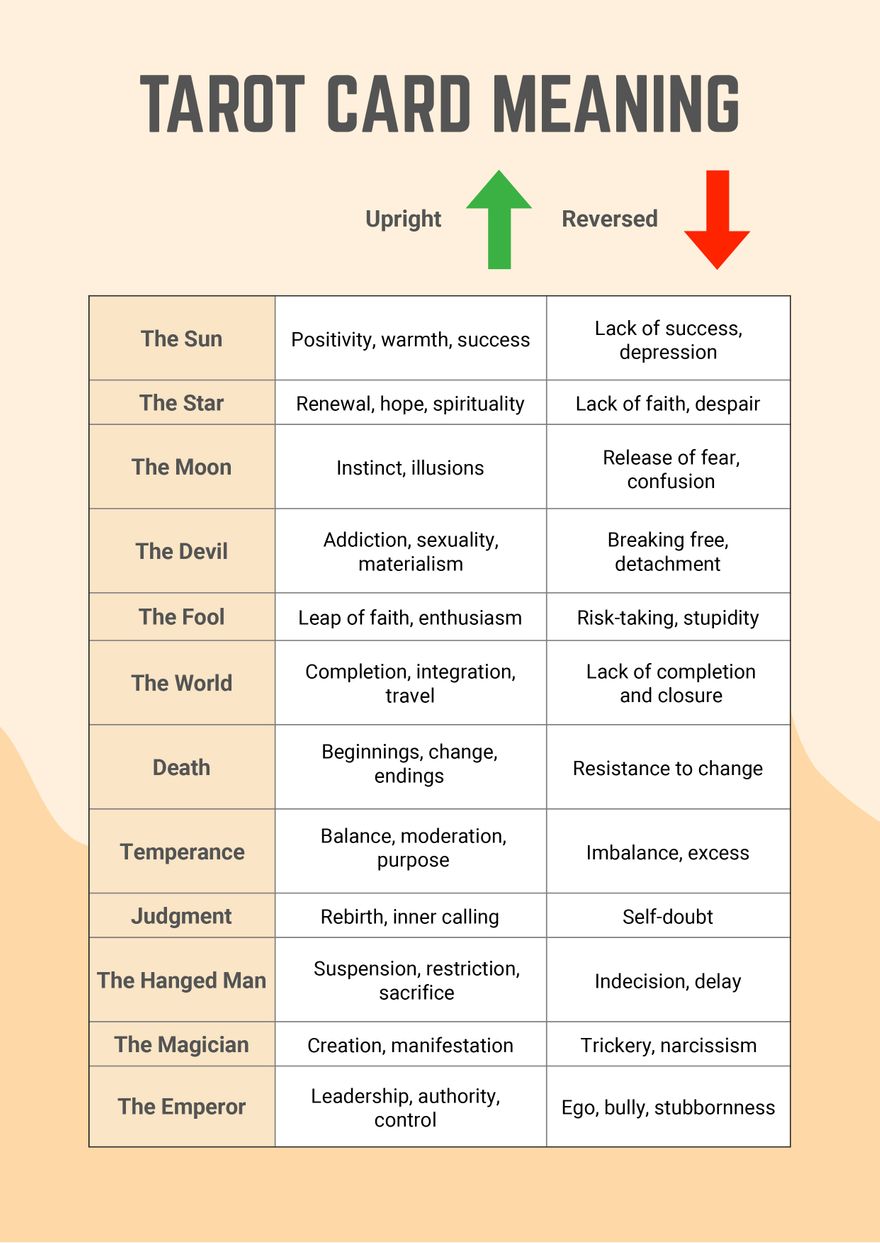
Major Arcana: The Hero’s Journey Unfolded
The Major Arcana cards are the tarot’s grand storytellers, each a chapter in the universal journey of growth and transformation. The Fool, often depicted as a carefree traveler on the edge of a cliff, embodies spontaneity and new beginnings—yet also the leap of faith required to start anew. The Magician, with tools of creation at his fingertips, reminds us that we hold the power to manifest our desires, if only we wield our skills with intention. The High Priestess, veiled and serene, guards the secrets of intuition and the subconscious, urging us to listen to the whispers of our inner voice.
Then there’s The Tower, a card of upheaval that strips away illusions, forcing us to rebuild on firmer ground. It’s the tarot’s way of saying that sometimes, destruction is the first step toward renewal. The Star, with its celestial glow, offers hope after the storm, a promise that even in darkness, guidance is near. Each Major Arcana card is a milestone, a lesson, or a revelation, guiding you through life’s most pivotal moments.
Minor Arcana: The Tapestry of Daily Life
While the Major Arcana sets the stage for life’s epic narratives, the Minor Arcana dives into the details—the daily choices, emotions, and obstacles that shape our reality. The four suits each govern a different facet of existence:
- Wands (Fire): Passion, creativity, ambition. These cards burn with the fire of inspiration, urging you to pursue your dreams with courage. A Wand card in a reading might signal a burst of energy or a call to take bold action.
- Cups (Water): Emotions, relationships, intuition. Cups run deep with feeling, from the joy of The Three of Cups (celebration and friendship) to the sorrow of The Five of Cups (loss and regret). They remind us that our heart’s desires and fears are just as valid as our logical pursuits.
- Swords (Air): Intellect, conflict, truth. Swords cut through deception, whether it’s the clarity of The Ace of Swords (a breakthrough idea) or the mental turmoil of The Eight of Swords (feeling trapped by overthinking). These cards challenge you to face harsh realities with a sharp mind.
- Pentacles (Earth): Money, work, stability. Pentacles ground the tarot in the physical world, from the prosperity of The Ten of Pentacles (family wealth and legacy) to the struggle of The Five of Pentacles (financial hardship). They ask you to consider how you nurture your resources and security.
Each suit’s numbered cards (Ace through 10) and court cards (Page, Knight, Queen, King) add layers of nuance. A Queen of Cups, for instance, embodies emotional maturity and compassion, while the Knight of Swords charges ahead with reckless determination. The Minor Arcana is where the tarot becomes a practical tool, offering insights into work, love, and personal growth.

Reading the Cards: Intuition Meets Structure
Tarot reading is an art that balances intuition with structure. While memorizing card meanings is essential, the true magic lies in how you interpret their messages in context. A spread—a specific arrangement of cards—provides a framework for storytelling. The simplest is the Single-Card Pull, perfect for daily guidance or quick insights. The Three-Card Spread (Past, Present, Future) offers a snapshot of a situation’s trajectory, while the Celtic Cross delves into complex life questions with depth and precision.
To read intuitively, start by observing the imagery: What emotions does the card evoke? Does it resonate with your current situation? For example, The Lovers might not always mean romance—it could symbolize a choice between duty and desire, or a union of opposing forces within yourself. Pay attention to symbols, colors, and even the card’s position in the spread. A reversed card (upside down) often indicates blocked energy, internal struggles, or a need to reverse course.
Common Misconceptions and Tarot’s True Power
Tarot is often shrouded in mystery, with myths like “the cards predict the future” or “only psychics can read them” overshadowing its true purpose. In reality, tarot is a tool for self-reflection, not a crystal ball. It doesn’t dictate fate but illuminates possibilities, helping you recognize patterns, confront fears, and make empowered choices. Another misconception is that tarot is “evil” or occult—yet historically, it was used as a parlor game before evolving into a divination tool. Today, it’s embraced by psychologists, artists, and spiritual seekers alike for its psychological and symbolic depth.
The tarot’s power lies in its ability to externalize the internal. By laying out the cards, you’re essentially having a conversation with your subconscious, bringing hidden thoughts and feelings into the light. It’s a way to dialogue with your higher self, untangle dilemmas, and find clarity in chaos. Whether you’re seeking career advice, relationship insights, or personal growth, the tarot acts as a compassionate guide, never judging, always revealing.
Practical Tips for Beginners
If you’re new to tarot, start with a deck that resonates with you—whether it’s the classic Rider-Waite-Smith, the modern Wild Unknown, or a themed deck like the Ostara Tarot. Familiarize yourself with the cards by pulling one daily and journaling your impressions. Don’t rush to memorize meanings; let the images speak to you first. Over time, you’ll develop your own interpretations, blending traditional wisdom with personal intuition.
When reading for others, approach with humility and ethical responsibility. Avoid making definitive statements about their lives; instead, frame the cards as possibilities. Remember, the tarot’s role is to empower, not to dictate. Cleanse your deck regularly—whether through moonlight, smoke, or intention—to clear stagnant energy and keep your readings fresh.
Conclusion
The tarot is a living, breathing entity—a bridge between the seen and unseen, the logical and the mystical. It doesn’t offer easy answers but invites you to ask deeper questions, to sit with uncertainty, and to trust your inner wisdom. Whether you’re drawn to its artistry, its psychological depth, or its spiritual guidance, the tarot is a mirror that reflects not just where you are, but where you’re capable of going.
As you shuffle the cards and lay them before you, remember: the magic isn’t in the cards themselves, but in the connection you forge with them. They are silent teachers, patient guides, and unwavering allies on the path to self-discovery. So embrace the mystery, trust the process, and let the tarot illuminate your journey—one card at a time.
FAQ
What is the difference between Major and Minor Arcana in tarot?
The Major Arcana cards represent significant life themes and spiritual lessons, while the Minor Arcana cards reflect everyday situations and emotions through four suits.
Can tarot cards predict the future?
Tarot cards do not predict the future but serve as a tool for self-reflection, helping to illuminate possibilities and empower decision-making.
How do I start learning tarot as a beginner?
Begin with a deck that resonates with you and pull one card daily to journal your impressions. Focus on intuitive understanding before memorizing meanings.
What is a tarot spread?
A tarot spread is a specific arrangement of cards that provides a framework to interpret their combined meanings in context.
What does a reversed tarot card mean?
A reversed card often indicates blocked energy, internal struggles, or the need to reconsider a situation or course of action.
Leave a Reply