Short Answer
Welcome to your ultimate guide to understanding all 78 tarot cards! Whether you’re a curious beginner or a seasoned reader looking to refresh your knowledge, this comprehensive guide will walk you through the meanings of each card in the Major and Minor Arcana. You’ll discover how to interpret upright and reversed positions, uncover the symbolism behind each card, and even learn how to use them in readings. By the end, you’ll feel confident pulling and understanding any card in the deck. Ready to dive in? Let’s get started!
What Are the 78 Tarot Cards?
The tarot deck consists of 78 cards divided into two main groups: the Major Arcana and the Minor Arcana. The Major Arcana contains 22 cards, each representing significant life events, spiritual lessons, or archetypal energies. These cards often signify major turning points or deep personal growth. The Minor Arcana, on the other hand, has 56 cards divided into four suits—Cups, Pentacles, Swords, and Wands—each reflecting everyday experiences, challenges, and opportunities. Together, these cards create a rich tapestry of insight and guidance.
Understanding the Major Arcana
The Major Arcana cards are the heart of the tarot, each telling a story of personal evolution. They often appear in readings to highlight major themes or influences in your life. For example, The Fool represents new beginnings and spontaneity, while The Lovers symbolizes relationships and choices. Each card carries a unique energy and message, so familiarizing yourself with their meanings will deepen your understanding of any reading. Pay attention to the sequence of these cards in a spread, as they can reveal the journey you’re on.
Exploring the Minor Arcana Suits
The Minor Arcana cards reflect the details of daily life. Each suit has its own theme and energy:
- Cups (Water): Emotions, relationships, and intuition.
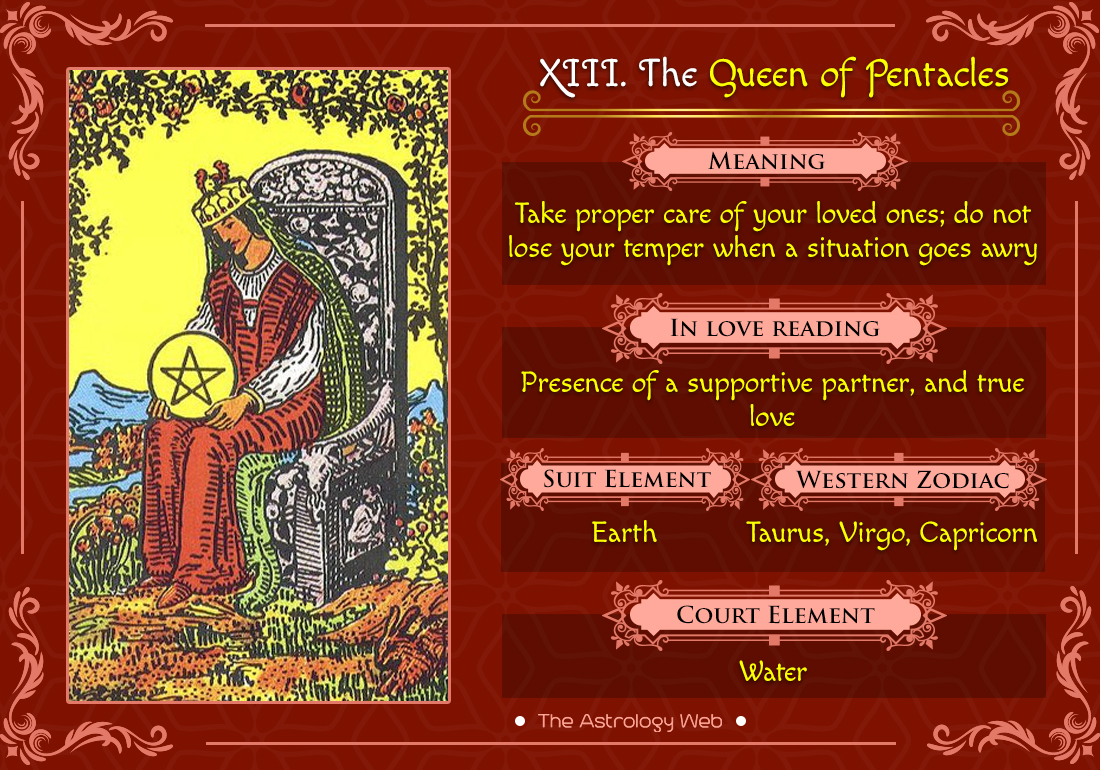
- Pentacles (Earth): Material wealth, career, and practical matters.
- Swords (Air): Intellect, conflict, and communication.
- Wands (Fire): Creativity, passion, and personal drive.
Within each suit, numbered cards from Ace to 10 describe specific situations or energies, while the court cards (Page, Knight, Queen, King) represent people or personality traits. Understanding these suits will help you interpret the nuances of any card in a reading.
Upright vs. Reversed Meanings: What’s the Difference?
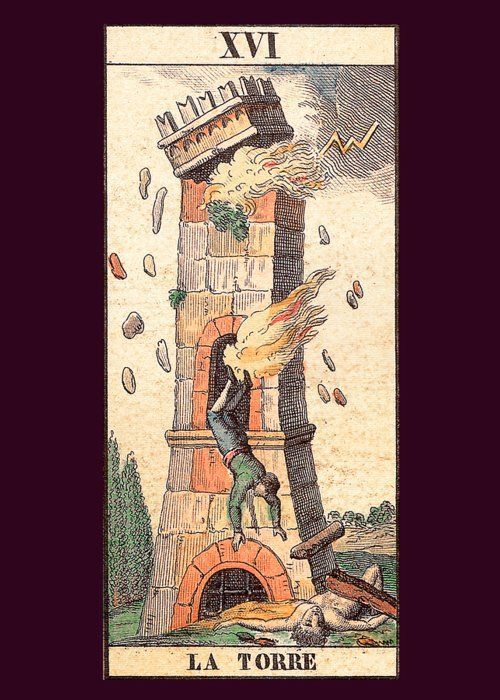
When reading tarot, cards can appear upright or reversed. Upright cards generally reflect the card’s traditional meaning, while reversed cards often indicate blocked energy, internal struggles, or a need for introspection. For example, The Tower upright may signify sudden change, but reversed, it could suggest resistance to necessary transformation. However, reversed cards aren’t always negative—they can highlight areas where you need to slow down or reflect. Always consider the context of the reading when interpreting reversals.
How to Use This Guide for Readings
To get the most out of this guide, start by familiarizing yourself with each card’s imagery and symbolism. Notice the colors, figures, and objects in the illustrations—they often hold clues to the card’s meaning. When conducting a reading, pull a card and ask yourself: What emotions does this card evoke? Does it feel positive or challenging? Cross-reference its upright or reversed meaning with your intuition. Over time, you’ll develop a personal connection to the cards, making your readings more insightful and accurate.
Sample Card Interpretations
Let’s explore a few key cards to illustrate how this guide works:
- Three of Cups (Upright): Celebration, friendship, and joy. This card often appears when you’re surrounded by supportive people or experiencing a happy occasion.
- Five of Pentacles (Reversed): Financial struggle or feeling left out. Reversed, it may suggest recovery from hardship or finding new support systems.
- The High Priestess: Intuition, mystery, and subconscious wisdom. This card encourages you to trust your inner voice and explore hidden truths.
Use these examples as a starting point, and expand your knowledge by studying the full deck over time.
Common Challenges in Learning Tarot
As you dive deeper into tarot, you might face challenges like memorizing all 78 cards or interpreting complex spreads. One playful question to ask yourself is: “What if the card I’m struggling with is trying to teach me something unexpected?” Sometimes, the cards reveal lessons in unconventional ways. Another tip is to focus on one suit or group of cards at a time, rather than overwhelming yourself with the entire deck. Practice daily pulls or journaling to build confidence and deepen your connection to the cards.
Conclusion
Mastering the meanings of all 78 tarot cards is a journey of self-discovery and intuition. By understanding the Major and Minor Arcana, interpreting upright and reversed cards, and practicing with real readings, you’ll unlock the tarot’s power to guide and inspire you. Remember, the cards are a tool for reflection, not a fixed prediction—their true magic lies in how you apply their wisdom to your life. Keep exploring, stay curious, and let the tarot be your companion on this adventure!
FAQ
What are the 78 tarot cards?
The 78 tarot cards are divided into the Major Arcana (22 cards) representing major life themes, and the Minor Arcana (56 cards) divided into four suits reflecting everyday experiences.
What is the difference between upright and reversed tarot cards?
Upright cards generally reflect the card's traditional meaning, while reversed cards indicate blocked energy, internal struggles, or the need for introspection.
How can I use this guide to improve my tarot readings?
By familiarizing yourself with each card's imagery, symbolism, and meanings in both upright and reversed positions, you can develop intuition and accuracy in your readings.
What are the four suits of the Minor Arcana?
The four suits are Cups (emotions), Pentacles/Coins (material matters), Swords (intellect and conflict), and Wands (creativity and passion).
Leave a Reply