Short Answer
Embarking on a journey through the Tarot is like stepping into a living library where each card whispers secrets of the human experience. This guide will illuminate the Tarot as a cohesive system, revealing how its 78 cards—divided into the Major and Minor Arcana—weave together to form a tapestry of symbolism, intuition, and universal truths. You’ll discover the hidden language of the cards, their archetypal power, and how they function as a mirror to life’s most profound questions. Whether you’re a seeker, a student, or simply curious, this exploration will deepen your understanding of Tarot as more than a divination tool—it’s a philosophical and psychological framework that speaks to the soul.
The Tarot as a Mirror: Reflecting Life’s Archetypal Journey
The Tarot is not merely a collection of random images; it is a carefully constructed system designed to mirror the human experience in all its complexity. At its core, the deck is divided into two major sections: the Major Arcana and the Minor Arcana. The Major Arcana consists of 22 cards, each representing a significant life lesson or spiritual milestone. These cards—such as The Fool, The Lovers, and Death—act as signposts along the journey of personal evolution, from innocence to enlightenment.
The Minor Arcana, comprising 56 cards, mirrors the structure of a standard playing deck, divided into four suits: Wands, Cups, Swords, and Pentacles. Each suit corresponds to an elemental force—fire, water, air, and earth—while the cards themselves explore the nuances of daily life, from passion and emotion (Cups) to intellect and conflict (Swords). Together, these cards form a language that transcends words, speaking directly to the subconscious through vivid imagery and metaphor.

The Major Arcana: The Hero’s Path and Cosmic Lessons
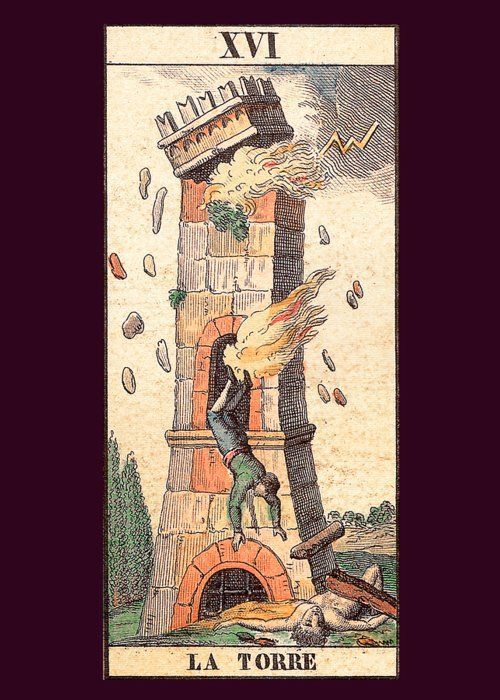
The Major Arcana is the heart of the Tarot, a sequence of 22 cards that tells the story of the Fool’s journey—a metaphorical odyssey from naivety to wisdom. Each card in this sequence represents a pivotal moment in the human experience, from the initial leap of faith (The Fool) to the ultimate realization of unity (The World). Cards like The Magician and The High Priestess embody the duality of creation and intuition, while The Tower and The Hanged Man challenge us to confront disruption and surrender.
What makes the Major Arcana so compelling is its universality. These archetypes are not confined to any one culture or era; they are timeless symbols that resonate across civilizations. For instance, The Empress and The Emperor represent the balance of nurturing and authority, themes found in myths from ancient Greece to modern psychology. By studying these cards, you’re not just learning divination—you’re engaging with the fundamental narratives that shape human consciousness.
The Minor Arcana: The Tapestry of Everyday Life
While the Major Arcana charts the grand themes of existence, the Minor Arcana dives into the details of daily life. Divided into four suits, each with its own elemental correspondence, these cards explore the ebb and flow of human experience. Wands, associated with fire, symbolize creativity, ambition, and inspiration. A card like the Three of Wands might suggest foresight and expansion, while the Eight of Wands could indicate swift movement or sudden change.
Cups, tied to water, delve into emotions, relationships, and intuition. The Ace of Cups heralds new emotional beginnings, while the Five of Cups reflects loss and introspection. Swords, governed by air, represent intellect, conflict, and communication. The King of Swords embodies clarity and authority, while the Ten of Swords may signal an ending or a painful truth. Finally, Pentacles, aligned with earth, ground us in matters of finance, health, and practicality. The Page of Pentacles could herald a new opportunity in work or study, while the Queen of Pentacles embodies nurturing abundance.

The Court Cards: Personalities and Energies in Motion
The 16 Court Cards—Page, Knight, Queen, and King of each suit—are among the most dynamic and misunderstood cards in the Tarot. Unlike the numbered cards, which describe situations, the Court Cards often represent people, energies, or aspects of ourselves. For example, the Knight of Cups might symbolize a romantic or idealistic messenger, while the Queen of Swords could embody sharp intellect and independence.
These cards are not static portraits but living energies that shift with context. A Page of Wands in a reading might indicate a creative spark or a young person brimming with ideas, while the same card reversed could suggest impulsiveness or unfulfilled potential. The Court Cards invite us to ask: Who or what is influencing this situation? They challenge us to recognize the roles we play in our own lives and the roles others play in shaping our journey.
The Language of Symbols: Decoding the Tarot’s Visual Poetry
At the heart of the Tarot’s power lies its language of symbols—a visual poetry that speaks to the subconscious. Every element in a card, from colors and animals to gestures and objects, carries meaning. For instance, the Chariot is often depicted with a sphinx or two opposing creatures under control, symbolizing the triumph of will over duality. The Hermit, cloaked and holding a lantern, represents introspection and the search for inner wisdom.
Understanding these symbols is like learning a new dialect of the imagination. A red rose in the Three of Cups might signify celebration and joy, while a stormy sky in the Nine of Swords could reflect anxiety or sleepless nights. The more you familiarize yourself with these motifs, the more the Tarot becomes a conversation—a dialogue between your conscious mind and the deeper layers of your psyche.
The Tarot as a Living System: Spreads and Synchronicity
The Tarot is not a static tool but a living system that adapts to the seeker’s needs. Through spreads—specific arrangements of cards—you can explore questions, dilemmas, or life paths with precision. A simple three-card spread might represent past, present, and future, while a Celtic Cross offers a nuanced view of challenges, influences, and potential outcomes. The key is to approach spreads not as rigid predictions but as a framework for insight.
Synchronicity, a concept coined by Carl Jung, is central to the Tarot’s magic. This phenomenon describes meaningful coincidences—moments where inner and outer realities align. A card that repeatedly appears in readings, or one that resonates deeply with your current life, may be a message from the universe. The Tarot becomes a bridge between the seen and unseen, guiding you toward patterns and truths that might otherwise remain hidden.
Conclusion: The Tarot as a Gateway to Self-Discovery
The Tarot is far more than a tool for fortune-telling; it is a mirror, a teacher, and a guide on the journey of self-discovery. By understanding the Major and Minor Arcana, the Court Cards, and the language of symbols, you unlock a system that reflects the complexities of life with unparalleled depth. Whether you use it for introspection, creativity, or divination, the Tarot offers a unique language to explore the human experience.
As you delve deeper into its mysteries, remember that the cards are not fixed in meaning. They are fluid, evolving with your understanding and the context of your life. The Tarot does not predict the future—it illuminates the present, empowering you to navigate your path with greater clarity and intention. In this way, the deck becomes a trusted companion, a silent confidant that speaks in metaphors and mirrors the soul’s journey.
FAQ
What is the Major Arcana in Tarot?
The Major Arcana is a set of 22 cards representing significant spiritual lessons and archetypal themes in life's journey.
What do the suits in the Minor Arcana represent?
Each suit corresponds to an element and aspect of life: Wands (fire/creativity), Cups (water/emotions), Swords (air/intellect), and Pentacles (earth/material matters).
How are Tarot cards used in readings?
Cards are drawn in specific spreads to provide insights into questions or situations, interpreting symbolism and archetypes to guide the seeker.
What role do symbols play in Tarot?
Symbols form a visual language that conveys deeper meanings and connects the conscious and subconscious mind during readings.
Leave a Reply