Short Answer
Dive into the enigmatic world of Vertigo Tarot, where confusion becomes art and uncertainty transforms into profound insight. This guide explores the captivating allure of Vertigo Tarot, unraveling its intricate metaphors, unique symbolism, and the magnetic pull it holds for seekers of meaning. Whether you’re a seasoned tarot enthusiast or a curious newcomer, discover how this deck spins traditional interpretations into a mesmerizing tapestry of mystery and revelation.
The Essence of Vertigo Tarot: A Dance with Uncertainty
Vertigo Tarot is not merely a deck of cards; it is a visual and conceptual journey into the disorienting beauty of ambiguity. Unlike traditional tarot decks that often strive for clarity, Vertigo Tarot embraces the vertiginous feeling of standing at the edge of a cliff, where every step forward is both exhilarating and terrifying. The name itself evokes the sensation of dizziness, a metaphor for the swirling thoughts and emotions that arise when life’s certainties dissolve. This deck thrives in the gray areas, where answers are not black and white but layered in shades of gray, inviting users to sit with discomfort rather than rush toward resolution.
The imagery in Vertigo Tarot is deliberately unsettling, often featuring surreal landscapes, distorted figures, and surrealist compositions that challenge the viewer’s perception. Cards like the Tower or the Hanged Man are reimagined with a dreamlike quality, their traditional meanings obscured by a haze of existential wonder. This approach mirrors the human experience of grappling with life’s unanswered questions, where clarity is fleeting and meaning is often found in the journey rather than the destination.
Metaphorical Mastery: How Vertigo Tarot Speaks in Riddles
At the heart of Vertigo Tarot’s appeal is its mastery of metaphor. Each card is a puzzle, a visual haiku that distills complex emotions and life situations into a single, evocative image. The Fool, for instance, might not be depicted as a carefree wanderer but as a figure teetering on the edge of a precipice, one foot suspended in mid-air. This image encapsulates the duality of innocence and recklessness, the thrill of the unknown balanced against the fear of the fall. Such metaphors resonate deeply because they reflect the universal human experience of standing at life’s thresholds, unsure of what lies ahead.
The Major Arcana in Vertigo Tarot often subverts expectations. The Death card, traditionally associated with transformation, might be rendered as a skeletal figure dissolving into a swirl of smoke, symbolizing the impermanence of all things. The Lovers card could depict two figures entangled in a gravitational pull, their bodies merging into a single, ambiguous form. These interpretations encourage users to look beyond literal meanings and embrace the fluidity of interpretation. Vertigo Tarot doesn’t just tell you what to think; it invites you to explore the spaces between thoughts, where the most profound insights often reside.
The Art of Disorientation: Aesthetic and Symbolism
The visual language of Vertigo Tarot is as distinctive as its conceptual framework. The deck often employs a muted, ethereal color palette, with blues, grays, and soft purples dominating the scenes. This choice of colors enhances the dreamlike quality of the cards, creating an atmosphere of introspection and mystery. The figures in the cards are frequently elongated or distorted, their proportions exaggerated to evoke a sense of unease and wonder. This artistic style draws from surrealism and expressionism, movements that sought to explore the subconscious and challenge conventional reality.
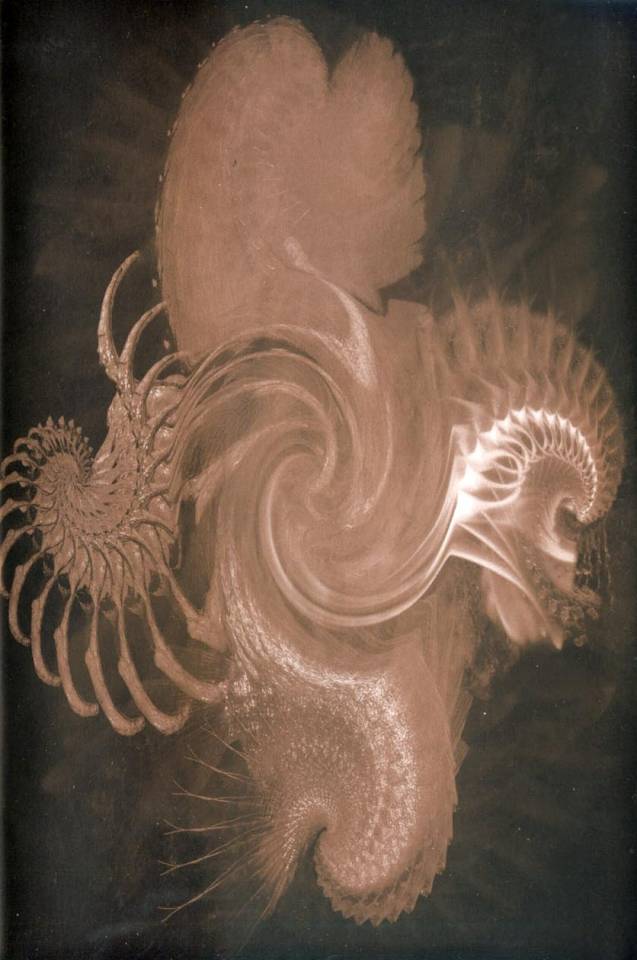
Symbolism in Vertigo Tarot is rich and multi-layered. Recurring motifs include spirals, mirrors, and fractured landscapes, each carrying its own weight of meaning. The spiral, for example, can represent the cyclical nature of life, the journey inward, or the chaos of the mind. Mirrors often symbolize self-reflection, but in Vertigo Tarot, they might also suggest the fragmentation of identity or the illusory nature of perception. These symbols are not static; they evolve with each draw, adapting to the context of the reading and the intuition of the user. This dynamic symbolism ensures that no two readings are ever the same, making Vertigo Tarot a deeply personal and ever-changing tool for divination.

Vertigo Tarot in Practice: Readings That Challenge and Inspire
Using Vertigo Tarot is an exercise in trust—trust in the process, trust in the deck, and trust in your own intuition. Unlike more straightforward decks, Vertigo Tarot demands that users engage deeply with the imagery and their own subconscious. A typical reading might begin with a simple question, but the answers that emerge are rarely straightforward. Instead, they often take the form of riddles, paradoxes, or open-ended reflections that require further contemplation. This makes Vertigo Tarot particularly suited for users who are comfortable with ambiguity and who see tarot as a tool for exploration rather than a source of definitive answers.
One of the most powerful aspects of Vertigo Tarot is its ability to mirror the user’s internal state. If you’re feeling lost, the cards might reflect that disorientation back to you, not as a judgment but as an acknowledgment of your current experience. If you’re seeking clarity, the deck might instead highlight the beauty in the unknown, encouraging you to embrace the journey rather than rush toward resolution. This reflective quality makes Vertigo Tarot a valuable companion for those navigating major life transitions, creative blocks, or periods of existential questioning.
Why Vertigo Tarot Stands Out: The Allure of the Unknown
In a world that often prioritizes clarity, certainty, and quick answers, Vertigo Tarot offers something radical: the permission to sit with the unknown. Its appeal lies in its refusal to simplify the complexities of life. Instead, it invites users to dance with confusion, to find meaning in the spaces between, and to trust in the process of discovery. This deck is not for those who seek easy answers or reassurance; it is for those who are willing to embrace the vertigo of not knowing, to lean into the discomfort, and to find beauty in the disorientation.
The unique language of Vertigo Tarot speaks to the modern seeker who is tired of black-and-white thinking and hungry for something more nuanced. It resonates with artists, writers, philosophers, and anyone who has ever felt the pull of the unknown. By framing confusion as a creative force, Vertigo Tarot transforms what might otherwise be a source of anxiety into a wellspring of inspiration. It reminds us that the most profound insights often come not from seeking answers but from surrendering to the journey.
Conclusion
Vertigo Tarot is more than a deck; it is an experience, a metaphorical playground where the rules of traditional tarot are bent and reshaped into something entirely new. Its allure lies in its ability to mirror the human experience of uncertainty, offering a space where confusion is not just acknowledged but celebrated. Through its surreal imagery, layered symbolism, and refusal to provide easy answers, Vertigo Tarot invites users to explore the depths of their own minds and the mysteries of existence. Whether used for divination, meditation, or creative inspiration, this deck challenges us to embrace the vertigo of the unknown and find meaning in the swirling chaos of life. For those willing to take the leap, Vertigo Tarot is a guide, a mirror, and a companion on the journey into the heart of mystery.
FAQ
What makes Vertigo Tarot different from traditional tarot decks?
Vertigo Tarot uses surreal and metaphorical imagery that embraces ambiguity and uncertainty, encouraging open-ended interpretations rather than straightforward answers.
Is Vertigo Tarot suitable for beginners?
Vertigo Tarot may be challenging for beginners due to its abstract symbolism and focus on ambiguity, but it can be a valuable tool for users comfortable with intuitive and exploratory readings.
How does Vertigo Tarot use symbolism?
The deck employs motifs like spirals, mirrors, and fractured landscapes to represent themes such as cyclical life, self-reflection, and fragmented identity, enhancing personal interpretation.
Can Vertigo Tarot help with personal growth?
Yes, Vertigo Tarot encourages embracing uncertainty and self-reflection, making it useful for personal growth, meditation, and creative inspiration.
Leave a Reply