Short Answer
In this comprehensive guide, you’ll explore the Reversed Ten of Pentacles – Family Drama & Inheritance, uncovering its symbolic meanings, real-life implications, and practical advice for navigating challenges tied to family legacies, financial disputes, and generational conflicts. Whether you’re facing inheritance issues, strained family relationships, or questioning your role within a family dynasty, this guide provides actionable insights to help you understand and address the underlying dynamics. By the end, you’ll recognize patterns, learn coping strategies, and discover paths toward resolution or acceptance.
Understanding the Ten of Pentacles Reversed: A Breakdown of Symbolism
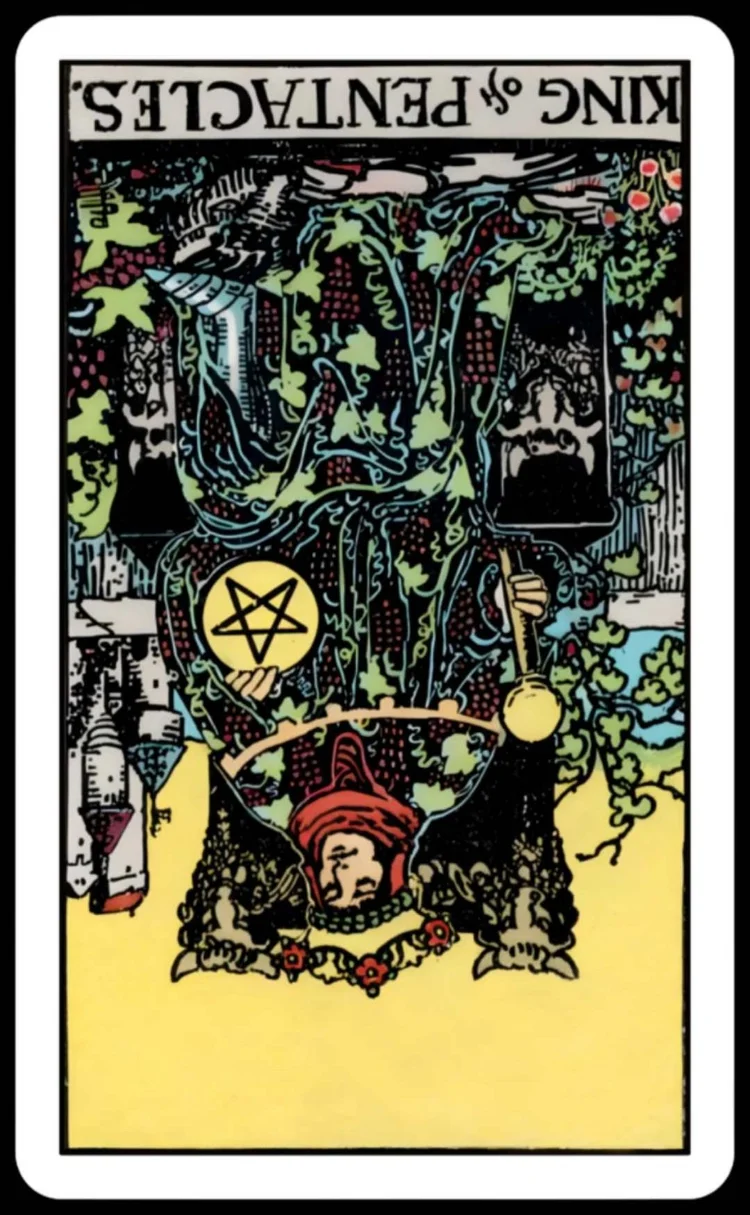
The Ten of Pentacles is traditionally associated with family wealth, stability, and generational prosperity. When reversed, this card signals disruption in these areas. Instead of harmony, you may encounter inheritance disputes, financial mismanagement, or fractured family bonds. The imagery often reflects decay—crumbling buildings, broken chains, or scattered coins—symbolizing how legacy and trust are eroding.
Key symbols include:
- Broken chains or family trees: Represent severed connections or unresolved conflicts.
- Scattered coins or wealth: Indicate financial instability or misuse of family resources.
- Empty or decaying homes: Suggest a loss of security or abandonment of family traditions.
These visuals reflect emotional and practical turmoil, urging you to examine where your family’s values or resources are being misused or neglected.
Common Scenarios: When the Reversed Ten of Pentacles Appears
The reversed Ten of Pentacles often surfaces in situations involving:
- Inheritance disputes: Siblings or relatives contesting a will, leading to legal battles or resentment.
- Financial irresponsibility: A family member squandering shared wealth or failing to manage assets wisely.
- Generational gaps: Younger generations rejecting family traditions or elders feeling disconnected from their legacy.
- Family estrangement: Prolonged conflicts that result in members cutting ties with one another.
For example, imagine a family where a parent’s estate is tied up in legal battles due to unclear documentation. The reversed Ten of Pentacles highlights the emotional toll of such disputes, where money becomes a source of pain rather than support.
Emotional and Psychological Impacts of Family Drama
Beyond financial strain, the reversed Ten of Pentacles carries deep emotional weight. Family drama can lead to:
- Guilt and shame: Feeling responsible for unresolved conflicts or perceived failures in preserving family unity.
- Anxiety about the future: Worrying about how disputes will affect your financial security or relationships.
- Identity crises: Questioning your place in the family if traditions or values are being abandoned.
- Resentment and bitterness: Holding onto past grievances that hinder healing.
These emotions can manifest as stress, depression, or even physical health issues. Recognizing these patterns is the first step toward addressing them constructively.
Financial Consequences: How Inheritance Issues Affect Wealth
When family wealth becomes a battleground, the consequences extend beyond emotions. Financial repercussions may include:
- Legal fees: Inheritance disputes often drain resources through court battles or mediator costs.
- Asset devaluation: Properties or investments may lose value if left in limbo during conflicts.
- Missed opportunities: Funds tied up in disputes cannot be used for education, business, or personal growth.
- Tax implications: Poorly managed estates can lead to unexpected tax liabilities.
For instance, a family business left in disarray due to sibling rivalry may collapse, costing everyone their livelihood. The reversed Ten of Pentacles serves as a warning to address these issues proactively.
Navigating Family Conflicts: Communication and Mediation Strategies
Resolving family drama requires open communication and, at times, professional intervention. Consider these approaches:
- Family meetings: Schedule structured discussions to address grievances without blame. Use neutral ground, like a mediator’s office, to ensure fairness.
- Clear documentation: Ensure wills, trusts, and financial plans are legally sound and updated regularly to prevent disputes.
- Active listening: Validate each person’s feelings without dismissing their concerns. Avoid interrupting or making assumptions.
- Therapy or counseling: Family therapists can help navigate deep-seated conflicts and rebuild trust.
For example, a family divided over a parent’s estate might benefit from a neutral facilitator who guides the conversation toward mutual understanding rather than competition.
Rebuilding Family Bonds: Healing from Inheritance Struggles
If reconciliation is possible, focus on rebuilding trust through:
- Shared goals: Collaborate on a project, like preserving a family home or starting a new tradition, to foster unity.
- Forgiveness exercises: Acknowledge past hurts and commit to moving forward without resentment.
- Celebrating small wins: Recognize progress, even if it’s incremental, to reinforce positive change.
Healing takes time, especially when money is involved. However, prioritizing relationships over material gains can lead to long-term peace.
Protecting Your Financial and Emotional Well-Being
While you can’t control others’ actions, you can safeguard your own interests by:
- Setting boundaries: Limit interactions with toxic family members or those who fuel conflicts.
- Seeking legal advice: Consult an estate attorney to understand your rights and options.
- Creating your own legacy: Focus on building personal wealth or values independent of family disputes.
- Practicing self-care: Engage in activities that reduce stress, such as therapy, exercise, or creative outlets.
For instance, if a sibling is draining shared resources, establishing clear financial boundaries can prevent further damage to your well-being.
When to Walk Away: Accepting Irreconcilable Differences
Sometimes, family conflicts are too deep-rooted to resolve. In such cases, walking away may be the healthiest choice. Signs it’s time to disengage include:
- Persistent manipulation or abuse.
- Refusal to compromise or seek help.
- Your well-being deteriorates due to ongoing drama.
While painful, distance can provide the space needed to heal and rebuild your life on your own terms. It’s not failure—it’s self-preservation.

Case Studies: Real-Life Examples of Reversed Ten of Pentacles
Examining real scenarios can clarify how this card’s energy plays out:
- The Smith Family: After their father’s death, siblings fought over his antique collection and vacation home. Legal fees consumed half the estate, leaving little for anyone. Mediation eventually resolved the dispute, but the family’s relationships were permanently strained.
- The Garcia Siblings: One brother mismanaged the family business, leading to bankruptcy. The other siblings cut ties, refusing to invest further. The business collapsed, and the family fractured.
- Maria’s Story: Maria inherited a historic family home but couldn’t afford its upkeep. Her cousins demanded she sell it, while she wanted to preserve it. The conflict left her feeling guilty and isolated.
These examples underscore the card’s themes: money as a source of division, the cost of unresolved conflicts, and the importance of proactive planning.
Preventive Measures: Avoiding the Reversed Ten of Pentacles in Your Family
To prevent future drama, take these steps:
- Open conversations about inheritance: Discuss wishes and expectations while everyone is alive and healthy.
- Regularly update legal documents: Ensure wills and trusts reflect current relationships and assets.
- Teach financial literacy: Educate younger generations about managing wealth responsibly.
- Encourage shared values: Focus on non-material legacies, like family stories or traditions, to strengthen bonds.
For example, a family that holds annual meetings to discuss estate plans and values is less likely to face surprises or disputes later.
Conclusion
The reversed Ten of Pentacles is a stark reminder of how family wealth and legacy can become sources of pain rather than pride. Whether you’re grappling with inheritance disputes, financial mismanagement, or emotional fallout, this card urges you to confront the root causes of conflict and take deliberate steps toward resolution—or acceptance. By prioritizing communication, setting boundaries, and seeking professional guidance when needed, you can navigate these challenges with clarity and resilience.
Remember, family dynamics are complex, and healing isn’t linear. Some conflicts may never fully resolve, but your response to them can define your peace. Focus on what you can control: your actions, your boundaries, and your well-being. In doing so, you honor the legacy of the Ten of Pentacles in its truest form—not as a source of division, but as a foundation for growth and understanding.
FAQ
What does the Reversed Ten of Pentacles signify?
It indicates family conflict, financial disputes, and challenges related to inheritance.
How can I navigate family drama related to inheritance?
Open communication, mediation, and clear documentation can help resolve conflicts.
Leave a Reply