Short Answer
In this comprehensive guide, you will explore the Rider-Waite Tarot deck, a timeless symbol of mysticism and introspection. You’ll uncover its rich history, the intricate symbolism woven into each card, and the profound psychological and spiritual insights it offers. Whether you’re a seasoned practitioner or a curious newcomer, this guide will illuminate the unique appeal of the Rider-Waite deck and how its metaphors resonate across cultures and centuries. Prepare to embark on a journey through the archetypes, artistry, and enduring legacy of one of the most influential tarot decks in the world.
The Origins and Legacy of the Rider-Waite Deck
The Rider-Waite Tarot deck, first published in 1909, stands as a cornerstone in the world of divination and esoteric study. Commissioned by publisher William Rider & Son and designed by artist Pamela Colman Smith under the guidance of mystic A.E. Waite, this deck revolutionized tarot by introducing fully illustrated Minor Arcana cards—a departure from the traditional pip-only designs. The collaboration between Waite, a member of the Hermetic Order of the Golden Dawn, and Smith, an artist with a deep connection to symbolism and occult imagery, resulted in a deck that transcended its predecessors in depth and accessibility.
The deck’s name itself reflects its dual heritage: “Rider” from the publisher and “Waite” from its spiritual architect. Its creation coincided with a resurgence of interest in esoteric traditions, making it a bridge between ancient mysticism and modern spirituality. Today, the Rider-Waite deck remains the most widely used and recognized tarot deck globally, serving as a foundation for countless interpretations, decks, and adaptations.
Understanding the Major Arcana: A Journey of Archetypes
The Major Arcana consists of 22 cards, each representing a pivotal stage or lesson in the Fool’s journey—a metaphorical path of spiritual evolution. These cards are rich in allegory, drawing from mythology, alchemy, astrology, and religious iconography. For instance, The Magician embodies manifestation and resourcefulness, while The High Priestess symbolizes intuition and hidden knowledge. Each card acts as a mirror, reflecting universal human experiences such as love (The Lovers), transformation (Death), and enlightenment (The World).
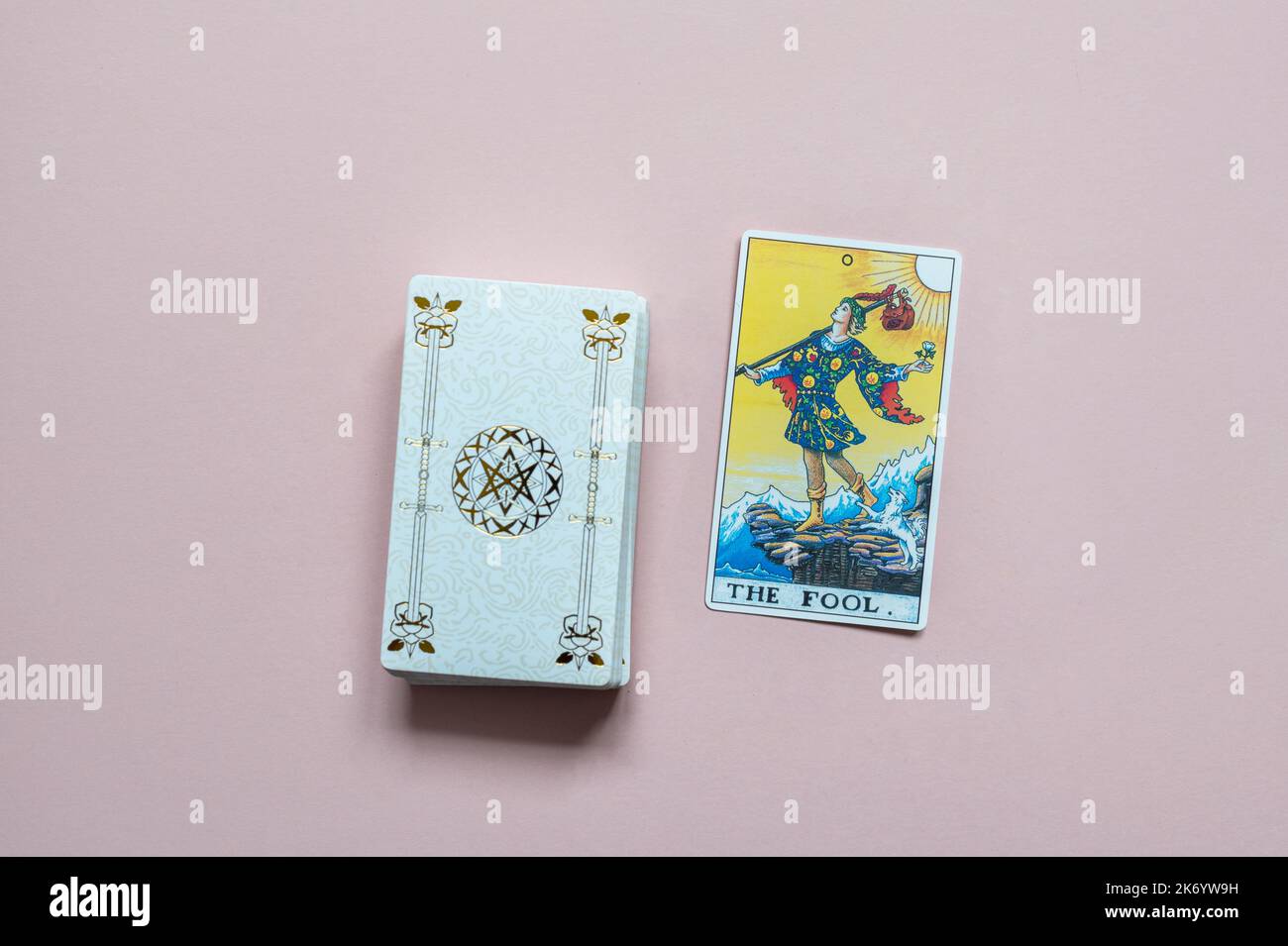
The Fool, often depicted as a carefree traveler on the edge of a cliff, represents beginnings, spontaneity, and the uncharted path of life. The Major Arcana as a whole tells a story of awakening, challenge, and ultimate integration, making it a powerful tool for self-reflection and personal growth. The cards’ imagery—ranging from the celestial (The Star) to the earthly (The Empress)—invites users to explore the interplay between the spiritual and material worlds.
The Minor Arcana: Everyday Mysteries and Practical Insights
Unlike earlier tarot decks, the Rider-Waite Minor Arcana features vivid, narrative-driven illustrations for all 56 cards, transforming abstract concepts into tangible scenes. Divided into four suits—Wands, Cups, Swords, and Pentacles—each corresponds to an element (fire, water, air, earth) and a facet of human experience. Wands govern creativity and ambition, Cups explore emotions and relationships, Swords delve into intellect and conflict, and Pentacles focus on material wealth and stability.
The court cards—Page, Knight, Queen, and King—add another layer of nuance, representing personalities, energies, or situations. For example, the Queen of Cups embodies compassion and emotional depth, while the Knight of Swords signifies impulsive action driven by intellect. The Minor Arcana’s detailed scenes, such as a figure drowning in the Three of Cups or a merchant weighing gold in the Five of Pentacles, make its messages accessible and relatable, bridging the gap between the sacred and the mundane.
Symbolism and Metaphor: The Language of the Unconscious
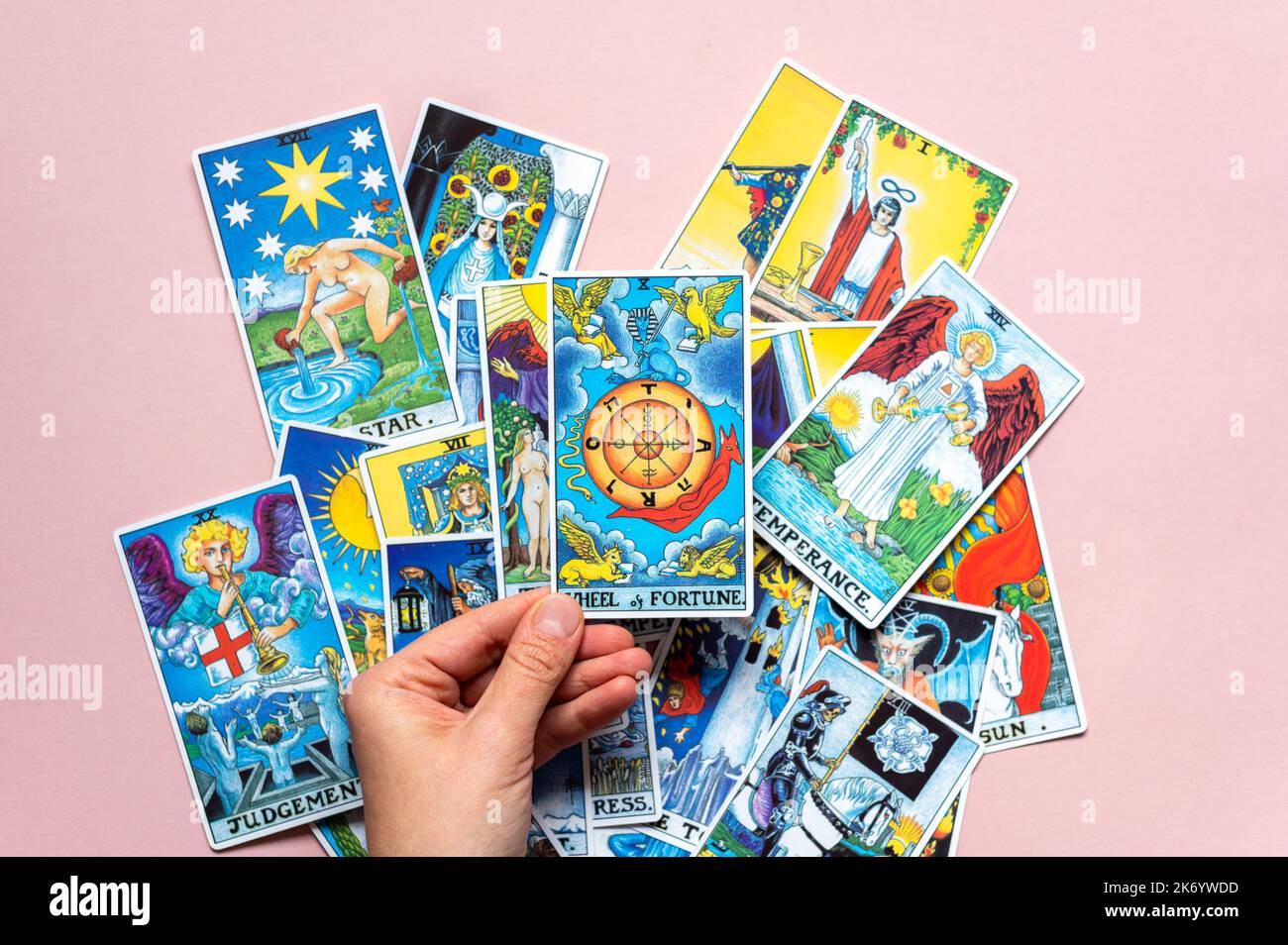
The Rider-Waite deck’s enduring appeal lies in its masterful use of symbolism, which speaks directly to the unconscious mind. Every element—from the colors and poses to the objects and animals—carries meaning. The Hermit, for instance, holds a lantern aloft, symbolizing inner wisdom sought through solitude, while the Wheel of Fortune features a sphinx and a serpent, representing cycles of fate and the interplay between control and surrender.
Animals, too, play a crucial role. The Strength card’s lion represents raw instinct tamed by compassion, and the Tower’s lightning-struck edifice embodies sudden upheaval and revelation. Even the positioning of figures—such as the lovers in The Lovers card, where one figure looks to an angel while the other gazes outward—invites interpretation about choices, duality, and divine guidance. This layering of symbols ensures that the deck remains a versatile tool for meditation, psychological exploration, and creative inspiration.
The Artistry of Pamela Colman Smith: A Visual Revolution
Pamela Colman Smith’s illustrations are the heart of the Rider-Waite deck’s magic. Her artistry blends Art Nouveau aesthetics with occult symbolism, creating a visual language that feels both ancient and modern. Smith’s use of flowing lines, delicate shading, and vibrant colors draws the eye into each card, making the scenes feel alive and dynamic. Her depiction of the Chariot, with its armored figure and sphinxes, evokes a sense of triumph and duality, while the Moon card’s eerie, dreamlike landscape invites the viewer into the subconscious.
Smith’s background in theater and her exposure to mystical traditions influenced her approach. She often used models and staged scenes to capture the essence of each card, ensuring that the imagery resonated emotionally. Her work transformed tarot from a static set of symbols into a living, breathing narrative, accessible to both initiates and seasoned practitioners. The deck’s artistry not only enhances its divinatory power but also makes it a celebrated piece of visual culture.
Psychological and Spiritual Applications
The Rider-Waite deck transcends its role as a divination tool, serving as a framework for psychological and spiritual exploration. Carl Jung’s theories on archetypes and the collective unconscious align closely with the deck’s structure, making it a valuable resource for therapists and seekers alike. Cards like The Hanged Man (surrender and new perspectives) or Judgment (rebirth and awakening) mirror stages of personal development, offering a language to articulate inner transformations.
In spiritual practices, the deck acts as a mirror for the soul. Meditating on a card like The Star (hope and divine guidance) or Temperance (balance and alchemy) can foster clarity and intention. The deck’s versatility allows it to be used in rituals, journaling, or group readings, adapting to various traditions—from Wiccan to Christian mysticism. Its metaphors resonate across cultures, making it a universal tool for those seeking meaning in chaos.
Why the Rider-Waite Deck Endures: Universality and Adaptability
What makes the Rider-Waite deck timeless is its ability to evolve while retaining its core essence. Over a century after its creation, it remains the benchmark for tarot decks, inspiring countless reinterpretations—from the Rider-Waite-Smith itself to modern decks like Modern Witch Tarot or Light Seer’s Tarot. Its themes of duality, transformation, and interconnectedness are universally relatable, speaking to the human condition across eras and geographies.
The deck’s adaptability is another key to its longevity. Whether used for quick daily draws, deep introspective readings, or artistic inspiration, the Rider-Waite deck meets the user where they are. Its symbols are open to interpretation, allowing each reader to forge a personal connection with the cards. This flexibility ensures that the deck remains relevant, whether in a candlelit ritual or a casual study session.
Conclusion
The Rider-Waite Tarot deck is more than a collection of cards—it is a gateway to the subconscious, a canvas of archetypal stories, and a testament to the power of symbolism. Its blend of artistry, psychology, and spirituality creates a tool that is both deeply personal and universally resonant. Whether you’re drawn to its historical significance, its intricate metaphors, or its practical applications, the Rider-Waite deck offers a path to self-discovery and enlightenment. As you explore its Major and Minor Arcana, let the cards guide you through the labyrinth of your own psyche, revealing truths that words alone cannot express. In a world of fleeting trends, the Rider-Waite deck stands as a beacon of timeless wisdom, inviting you to delve deeper into the mysteries of life.
FAQ
What is the Rider-Waite Tarot deck?
The Rider-Waite Tarot deck is a widely recognized tarot deck that features fully illustrated cards, rich in symbolism, created in the early 20th century.
Who created the Rider-Waite Tarot deck?
The deck was created by artist Pamela Colman Smith under the guidance of mystic A.E. Waite.
What makes the Rider-Waite Tarot deck unique?
Its unique feature is the fully illustrated Minor Arcana, which provides deeper insights and connections compared to traditional pip decks.
Leave a Reply