Short Answer
Dive into the enchanting world of the Rider-Waite Tarot deck and uncover the visionary spirit of its illustrator, Pamela Colman Smith. This guide explores how her original artwork shaped one of the most iconic tarot decks in history, blending mysticism with artistic innovation. You’ll discover the creative process behind the cards, the significance of Smith’s unique style, and how her work continues to inspire tarot readers and artists alike. By the end, you’ll see why Pamela Colman Smith’s contribution remains a cornerstone of tarot tradition—and perhaps even challenge yourself to interpret the cards through her eyes.
The Birth of a Tarot Legend: Pamela Colman Smith’s Journey
Pamela Colman Smith, often overshadowed by the deck’s name, was the unsung hero behind the Rider-Waite Tarot’s imagery. Born in 1878 in London, Smith was a versatile artist with a passion for symbolism and storytelling. Her collaboration with mystic A.E. Waite began in 1909 when they set out to create a tarot deck that would make the esoteric accessible to the masses. Unlike previous decks, which relied on abstract or traditional designs, Smith’s illustrations were vivid, emotionally charged, and deeply personal.
Smith’s background in theater and her fascination with occult themes infused her work with a theatrical flair. She drew inspiration from her travels, literature, and even her own dreams, crafting scenes that felt alive. The result? A deck where every card tells a story, inviting readers to explore not just the meanings but the emotions behind the symbols. Her ability to blend art and mysticism laid the foundation for modern tarot interpretation.
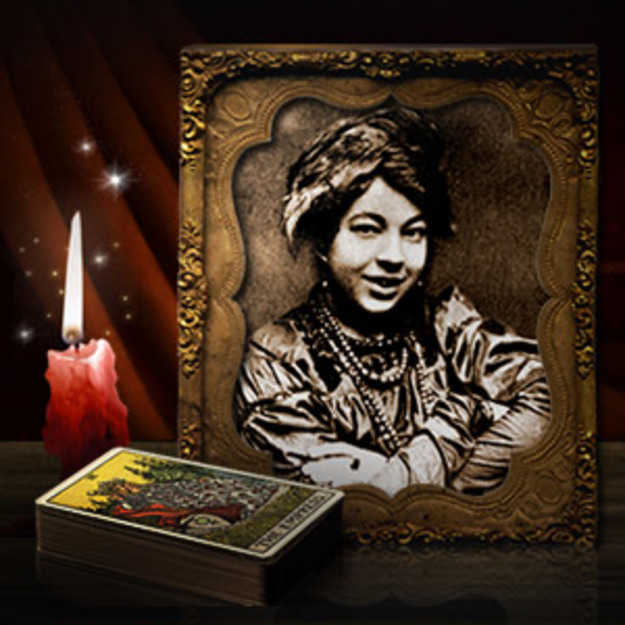
Decoding the Art: Smith’s Visual Language in the Tarot
Smith’s illustrations are more than just pretty pictures—they’re a visual language that speaks to the subconscious. Each card in the Rider-Waite deck is meticulously composed, with symbols and poses that carry hidden meanings. For example, the Fool’s outstretched hand isn’t just a gesture; it’s an invitation to leap into the unknown. The High Priestess’s throne, flanked by two pillars, represents duality and intuition. Smith’s use of color, light, and composition wasn’t arbitrary; it was a deliberate effort to evoke specific emotional responses.
One of Smith’s most brilliant techniques was her use of body language. Characters in her cards often appear in dynamic poses, their postures reflecting the card’s energy. The Magician, for instance, stands with one arm pointing to the sky and the other to the earth, symbolizing mastery over duality. Meanwhile, the Hanged Man’s suspended figure suggests surrender and new perspectives. These choices weren’t just artistic—they were revolutionary, making the tarot more relatable and intuitive for everyday readers.

The Challenge of Interpretation: Can You See Beyond the Obvious?
Smith’s genius lies in her ability to leave room for interpretation. While the Rider-Waite deck provides clear imagery, the deeper meanings often depend on the reader’s perspective. Take the Three of Cups, for example. At first glance, it’s a celebration of friendship and joy. But look closer—the three women are dancing in a circle, their arms linked. Are they truly happy, or is there an undercurrent of conformity? Smith’s work invites you to ask these questions, challenging you to look beyond the surface.
This challenge extends to the Minor Arcana as well. Smith’s illustrations for the suit of Pentacles often feature scenes of labor, wealth, and nature. But what does it mean when the Five of Pentacles shows two figures in rags outside a church? Is it a warning about exclusion, or a lesson in resilience? Smith’s art doesn’t provide answers—it provokes them. To truly engage with her work, you must be willing to sit with ambiguity and trust your intuition.
Smith’s Legacy: How Her Vision Shapes Modern Tarot
Pamela Colman Smith’s influence on tarot is immeasurable. Her illustrations set a new standard for clarity and emotional depth, inspiring countless decks that followed. Artists like Mary Hanson-Roberts and Lo Scarabeo have cited her as a major influence, while contemporary tarot readers still turn to the Rider-Waite for its timeless symbolism. Smith’s work also bridged the gap between occult tradition and popular culture, making tarot accessible to a wider audience.
Beyond the cards, Smith’s legacy lives on in the way tarot is taught and practiced today. Her emphasis on intuition and personal connection has shaped modern tarot readings, where the reader’s interpretation is as important as the card’s traditional meaning. Even in digital tarot apps and AI-generated decks, Smith’s fingerprints are visible in the continued use of her imagery and themes. Her vision wasn’t just about creating a deck—it was about creating a language that anyone could learn to speak.
Conclusion: Embracing the Mystery of Smith’s Art
Pamela Colman Smith’s original vision for the Rider-Waite Tarot was nothing short of revolutionary. Through her art, she transformed a centuries-old divination tool into a vibrant, emotionally resonant experience. Her use of poses, symbols, and storytelling invites readers to engage deeply with the cards, challenging them to find their own meanings. Whether you’re a seasoned tarot enthusiast or a curious beginner, Smith’s work reminds you that tarot is more than a set of symbols—it’s a mirror for the soul.
So, the next time you pull a card, ask yourself: How does this image make me feel? What story is it trying to tell? And most importantly, what does it mean to *me*? Pamela Colman Smith’s legacy lives on in every shuffle of the deck, every whispered interpretation, and every moment of connection between the reader and the cards. The challenge is yours to accept—and the mystery is yours to explore.
FAQ
Who was Pamela Colman Smith?
Pamela Colman Smith was the illustrator of the Rider-Waite Tarot deck, known for her vivid and emotionally charged artwork.
What is the significance of the Rider-Waite Tarot deck?
The Rider-Waite Tarot deck is significant for its accessible imagery and emotional depth, which have influenced many subsequent tarot decks.
How did Pamela Colman Smith's background influence her artwork?
Smith’s background in theater and her fascination with symbolism infused her tarot illustrations with theatrical flair and personal storytelling.
Leave a Reply