Short Answer
The Rider-Waite Tarot deck is one of the most iconic and widely recognized decks in the world of divination. Created in 1909 by artist Pamela Colman Smith under the guidance of mystic A.E. Waite, this deck revolutionized tarot by introducing rich symbolism and vivid imagery that transcended traditional playing cards. Whether you’re a seasoned tarot reader or a curious beginner, understanding the Rider-Waite deck offers a gateway into a world of archetypal storytelling, psychological insight, and spiritual exploration. In this guide, we’ll explore the deck’s origins, its unique appeal, the significance of its cards, and how its metaphors continue to resonate in modern interpretations.
The Origins and Evolution of the Rider-Waite Deck
The Rider-Waite Tarot deck emerged during a period of burgeoning interest in esotericism and occultism in the early 20th century. Commissioned by A.E. Waite, a member of the Hermetic Order of the Golden Dawn, the deck was designed to make tarot more accessible to the public. Unlike earlier decks, which relied heavily on traditional playing card imagery, the Rider-Waite deck introduced fully illustrated cards for all 78 cards in the deck—including the Minor Arcana—each brimming with symbolic depth. This innovation allowed for richer interpretations and made the deck a powerful tool for both divination and meditation. The deck’s name comes from its publishers, Rider & Company, and its illustrator, Pamela Colman Smith, whose artistic vision brought Waite’s mystical concepts to life.
Structure of the Rider-Waite Deck: A Symmetry of Meaning
The Rider-Waite deck consists of 78 cards divided into two main sections: the Major Arcana and the Minor Arcana. The Major Arcana comprises 22 cards, each representing a significant life journey or spiritual lesson, from The Fool’s innocence to The World’s completion. These cards often depict universal human experiences, making them deeply relatable across cultures and eras. The Minor Arcana, on the other hand, contains 56 cards divided into four suits—Wands, Cups, Swords, and Pentacles—each corresponding to different aspects of daily life. Wands symbolize creativity and ambition, Cups represent emotions and relationships, Swords delve into intellect and conflict, and Pentacles focus on material wealth and practicality. Together, these cards create a comprehensive narrative that mirrors the complexities of human existence.
Iconic Cards and Their Intriguing Metaphors
Certain cards in the Rider-Waite deck stand out for their striking imagery and profound symbolism. The Fool, often depicted as a carefree traveler on the edge of a cliff, embodies spontaneity, new beginnings, and the leap of faith required to embark on a journey. The Lovers card, featuring a man, woman, and an angel, represents choices, relationships, and harmony, often interpreted as a union of opposites or a decision between passion and duty. The Tower, with its crumbling structure and lightning strike, symbolizes sudden upheaval and the collapse of illusions, serving as a reminder of life’s impermanence. The High Priestess, seated between two pillars with a crescent moon at her feet, embodies intuition, mystery, and the hidden knowledge that lies beneath the surface of reality. These cards, among others, invite contemplation and personal reflection, making the Rider-Waite deck a dynamic tool for self-discovery.
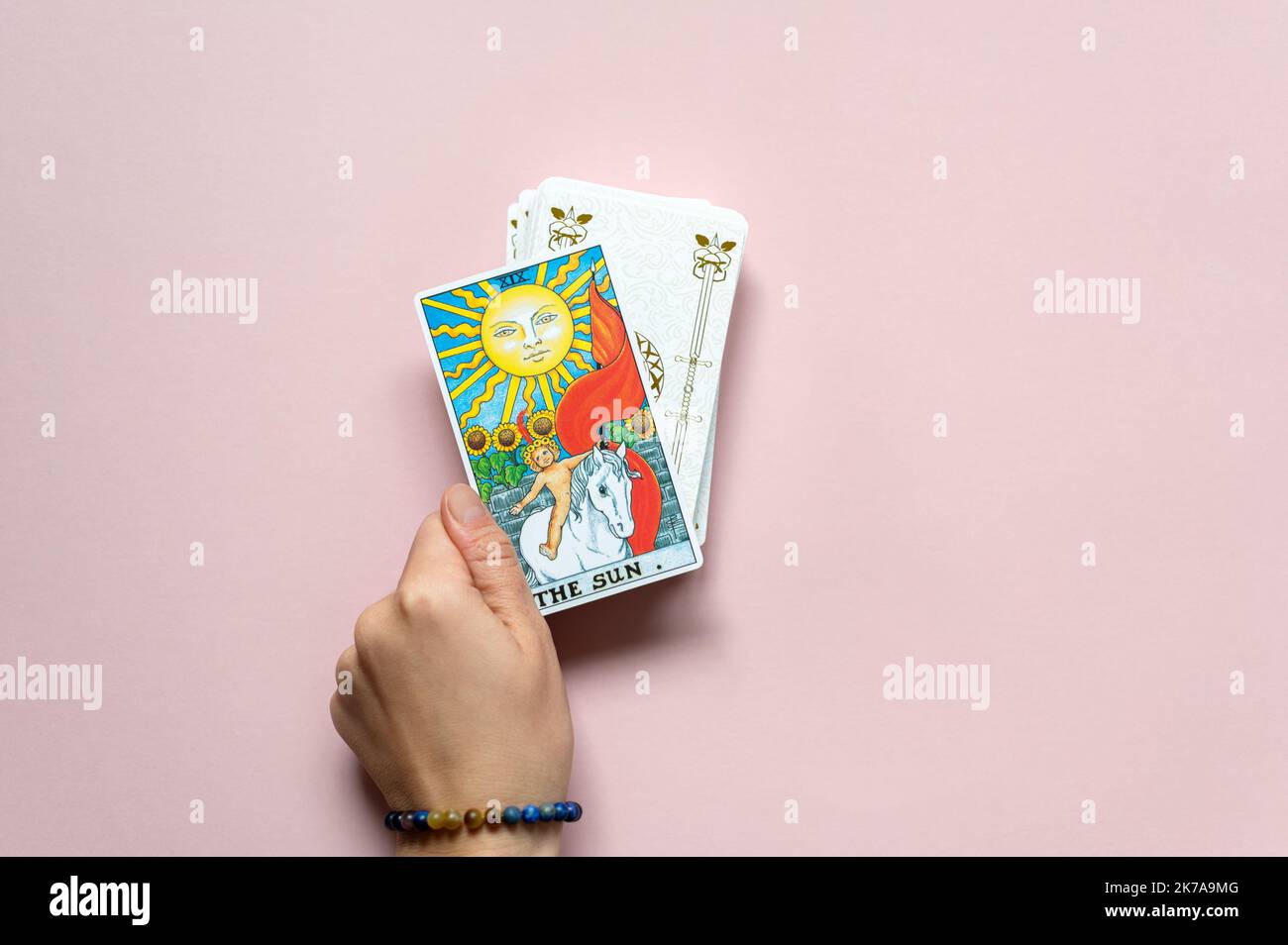
Another fascinating card is The Chariot, which depicts a triumphant figure riding a chariot pulled by two sphinxes, one black and one white. This card represents determination, willpower, and the balance of opposing forces, illustrating the journey toward victory through perseverance. Death, often misunderstood, is not about literal demise but transformation and rebirth, symbolized by a skeletal figure riding a white horse through a field of fallen bodies. The card’s imagery underscores the inevitability of change and the cyclical nature of life. Each of these cards serves as a visual metaphor, encouraging the reader to explore deeper layers of meaning beyond the surface narrative.
The Unique Appeal of the Rider-Waite Deck
What sets the Rider-Waite deck apart is its ability to blend art, psychology, and spirituality into a cohesive system. Pamela Colman Smith’s illustrations are not merely decorative; they are carefully crafted to evoke emotions and provoke thought. The use of color, composition, and symbolism creates a visual language that speaks to the subconscious, making the deck accessible to both intuitive readers and those who prefer structured interpretations. Additionally, the deck’s adaptability allows it to be used for various purposes beyond divination, including meditation, journaling, and creative inspiration. Its widespread popularity has also led to countless variations and reinterpretations, yet the original Rider-Waite remains a benchmark for tarot decks worldwide.
The deck’s language is another key to its enduring appeal. The imagery is rich with Christian, Kabbalistic, and alchemical references, yet it transcends any single tradition, making it universally resonant. For example, the four suits of the Minor Arcana correspond to the four elements—Wands to Fire, Cups to Water, Swords to Air, and Pentacles to Earth—each element carrying its own set of meanings and associations. This elemental framework provides a structured yet flexible system for interpreting the cards, allowing readers to tailor their interpretations to specific questions or situations.
How to Engage with the Rider-Waite Deck
Engaging with the Rider-Waite deck begins with familiarizing yourself with its cards. Start by studying the Major Arcana in order, noting the progression from The Fool to The World. This sequence mirrors the hero’s journey, a narrative structure found in myths and stories across cultures. Next, explore the Minor Arcana suits, paying attention to how each suit’s themes manifest in the cards. For instance, the Ace of Cups represents new emotional beginnings, while the Ten of Swords might indicate a painful but necessary ending. Practicing with simple spreads, such as a three-card layout for past-present-future readings, can help build confidence and intuition.
Journaling is another powerful way to deepen your connection with the deck. After each reading, record the cards drawn, your initial impressions, and any insights that arise. Over time, you’ll begin to notice patterns and recurring symbols, which can enhance your interpretive skills. Meditating on individual cards can also reveal hidden layers of meaning. For example, focusing on The Hermit’s lantern might inspire reflections on solitude, introspection, or the search for inner wisdom. The more you interact with the deck, the more it will reveal its secrets to you.
Conclusion
The Rider-Waite Tarot deck is more than just a tool for divination; it is a mirror that reflects the human experience in all its complexity. Its intricate symbolism, evocative imagery, and universal themes make it a timeless resource for self-exploration and spiritual growth. Whether you’re drawn to its artistic beauty, its psychological depth, or its spiritual wisdom, the Rider-Waite deck offers a pathway to deeper understanding and connection. By engaging with its cards, you embark on a journey of discovery—one that invites you to explore the mysteries of life, the power of metaphor, and the endless possibilities of the human spirit. As you delve into its world, you’ll find that the Rider-Waite deck is not just a deck of cards; it is a gateway to the infinite.
FAQ
What is the Rider-Waite Tarot deck?
The Rider-Waite Tarot deck is a widely recognized tarot deck that features rich symbolism and imagery, making it a popular choice for both beginners and seasoned readers.
How many cards are in the Rider-Waite deck?
The Rider-Waite deck contains 78 cards, divided into the Major Arcana and Minor Arcana.
What does the Fool card represent?
The Fool card represents spontaneity, new beginnings, and the leap of faith required to embark on a journey.
Leave a Reply