Short Answer
The Rider-Waite Tarot deck is more than just a collection of cards—it’s a visual language of symbols, colors, and archetypes designed to shift your perspective and awaken your intuition. Whether you’re a seasoned reader or a curious beginner, understanding the intricate symbolism within each card can unlock deeper insights into your life’s journey. In this guide, we’ll explore the hidden meanings behind every color, suit, and figure in the deck, revealing how these elements work together to guide, challenge, and inspire. Prepare to see the cards in a new light as we unravel the secrets that lie beneath the surface.
The Power of Color in Rider-Waite Tarot
Colors in the Rider-Waite Tarot are not merely decorative—they carry profound psychological and symbolic weight. Each hue is carefully chosen to evoke specific emotions, energies, and spiritual themes. For instance, red often represents passion, action, and vitality, as seen in the fiery robes of the Chariot or the bold backdrop of the Five of Wands. In contrast, blue embodies calmness, intuition, and spirituality, frequently appearing in cards like the High Priestess or the Four of Cups. The use of gold and yellow often signifies enlightenment, divine wisdom, or material success, as highlighted in the Sun card, where a radiant yellow sun bathes the scene in warmth and clarity.
Even the absence of color or the use of muted tones can be telling. The Hermit, cloaked in gray, suggests introspection and solitude, while the stark white background of the Ace of Swords emphasizes clarity and truth. By paying attention to these color choices, you can decode the underlying messages of each card and understand how they resonate with your current circumstances.
Decoding the Suits: Earth, Air, Fire, and Water
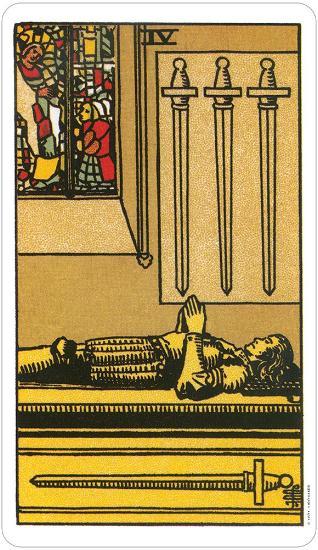
The Rider-Waite Tarot is divided into four suits—Wands, Cups, Swords, and Pentacles—each corresponding to an element and a facet of human experience. Understanding these suits is key to interpreting the cards accurately.
Wands (Fire) symbolize creativity, ambition, and personal growth. They often depict scenes of action, movement, and inspiration, such as the Three of Wands, where a figure gazes out at the horizon, symbolizing foresight and expansion. Cups (Water) represent emotions, relationships, and intuition. Cards like the Six of Cups evoke nostalgia and emotional connections, while the Queen of Cups embodies compassion and empathy. Swords (Air) are tied to intellect, conflict, and communication. The Eight of Swords, for example, illustrates a woman trapped in a mental prison, highlighting the power of perception and self-imposed limitations. Finally, Pentacles (Earth) ground the deck in material reality, focusing on finances, health, and practical matters. The Ten of Pentacles often shows a family gathered in abundance, reflecting stability and legacy.
Each suit also has its own court cards—Page, Knight, Queen, and King—representing different personality traits or stages of a situation. For instance, the Knight of Cups may indicate a romantic or idealistic pursuit, while the Queen of Swords embodies sharp intellect and independence. By familiarizing yourself with these suits, you can begin to see how the cards weave together to tell a cohesive story.
The Major Arcana: A Journey of Transformation
The Major Arcana consists of 22 cards that represent life’s grand themes, from innocence to enlightenment. These cards often appear in readings to signify pivotal moments or spiritual lessons. For example, the Fool card, with its carefree traveler at the edge of a cliff, symbolizes new beginnings, spontaneity, and a leap of faith. In contrast, the Death card—despite its ominous name—represents transformation, endings that pave the way for rebirth, and the inevitability of change.
Other key Major Arcana cards include the Magician, who wields the tools of creation, and the High Priestess, who guards the secrets of the subconscious. The Tower card, with its lightning-struck structure and falling figures, serves as a stark reminder of sudden upheaval and the collapse of illusions. Each of these cards carries a narrative that invites you to reflect on your own life’s journey and the lessons unfolding before you.

The Minor Arcana: Everyday Life and Subtle Shifts
While the Major Arcana deals with life’s major themes, the Minor Arcana focuses on the day-to-day experiences that shape our reality. Divided into four suits, these 56 cards offer nuanced insights into challenges, opportunities, and subtle shifts in energy. For instance, the Five of Pentacles depicts two figures in rags, suggesting financial hardship or feelings of exclusion, while the Three of Cups celebrates friendship and joyous gatherings.
The number and suit of each card further refine its meaning. Aces represent new beginnings, while Tens often signify completion or a cycle’s end. Court cards can indicate people in your life or aspects of your personality. The Page of Wands, for example, might suggest a burst of creative energy or a young person brimming with ideas, while the King of Swords embodies authority, logic, and a no-nonsense approach to problem-solving.
By studying the Minor Arcana, you’ll gain a deeper understanding of how the tarot reflects the ebb and flow of daily life, from mundane tasks to profound emotional shifts. These cards remind us that even the smallest moments carry significance and can be portals to greater wisdom.
The Hidden Symbols: Animals, Objects, and Gestures
The Rider-Waite Tarot is rich with symbolic imagery that goes beyond the suits and numbers. Animals, objects, and gestures often carry their own meanings, adding layers of depth to each card. For example, the Hierophant is accompanied by two acolytes, symbolizing tradition and spiritual guidance, while the Chariot’s sphinxes represent opposing forces that must be balanced for success.
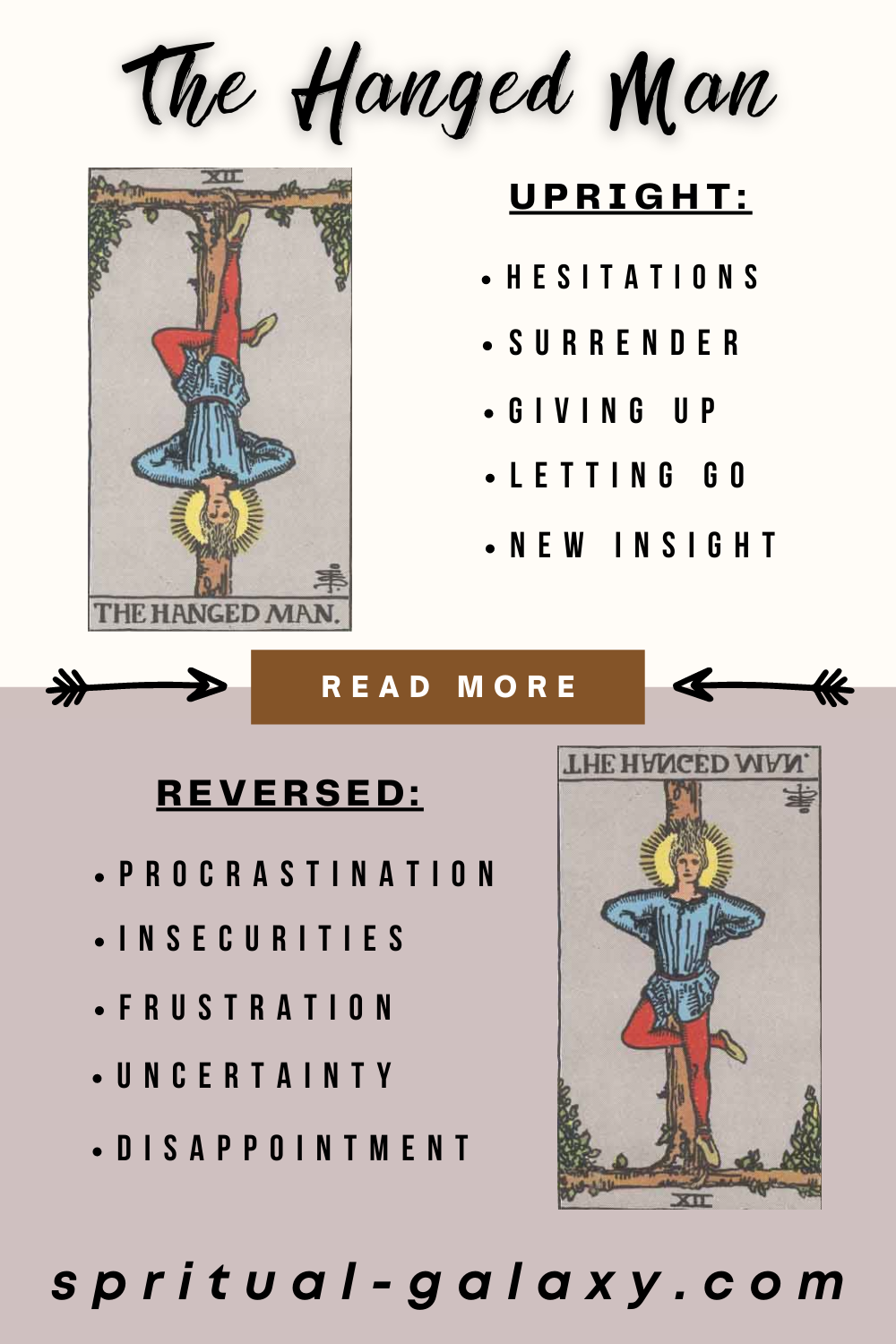
In the Lovers card, the apple tree in the background hints at the biblical story of Adam and Eve, suggesting choices and consequences. The Wheel of Fortune features a sphinx, a snake, and an ankh, blending Egyptian and Christian symbolism to represent cycles of fate and destiny. Even the positioning of figures—such as the outstretched hand of the Emperor or the crossed arms of the Hanged Man—can reveal power dynamics, surrender, or resistance.
These symbols invite you to look beyond the surface and explore the interconnected themes of each card. They encourage you to ask: What is the card trying to tell me? How do these symbols resonate with my current situation? By engaging with these details, you’ll develop a more intuitive and personalized approach to reading the tarot.
How Symbolism Shifts Perspective
One of the most powerful aspects of the Rider-Waite Tarot is its ability to reframe your perspective. A card that initially seems negative—like the Ten of Swords, which depicts a figure lying prone with ten swords in their back—can be reinterpreted as an opportunity for release and healing. The tarot doesn’t just predict the future; it offers a mirror to your inner world, helping you see patterns, confront fears, and embrace change.
For example, the Three of Swords shows a heart pierced by three swords, often interpreted as heartbreak or betrayal. Yet, the rain in the background suggests cleansing and renewal. By focusing on the broader context of the card, you can shift from a place of despair to one of acceptance and growth. Similarly, the Moon card’s eerie imagery—with its two towers, a crayfish emerging from water, and a sleeping dog—invites you to explore the subconscious, where hidden truths and illusions reside.
This transformative power lies at the heart of tarot symbolism. It doesn’t just tell you what is—it asks you to consider what could be. By engaging with the cards on a symbolic level, you open yourself to new ways of thinking, feeling, and acting.
Conclusion
The Rider-Waite Tarot is a tapestry of symbols, colors, and archetypes designed to guide you through life’s complexities. From the fiery energy of Wands to the emotional depth of Cups, from the stark truths of Swords to the grounded wisdom of Pentacles, each element of the deck serves a purpose. By learning to interpret these symbols, you unlock the tarot’s potential as a tool for self-discovery, reflection, and transformation.
Whether you’re drawn to the Major Arcana’s grand narratives or the Minor Arcana’s everyday insights, the key is to approach the cards with curiosity and an open mind. Let the imagery speak to you, and trust your intuition to guide your interpretations. The tarot is not a fixed map but a living dialogue between you and the universe—a conversation that evolves with every reading.
As you continue your journey with the Rider-Waite Tarot, remember that the symbols are not just static images; they are gateways to deeper understanding. Embrace the shifts in perspective they offer, and let them illuminate the path forward.
FAQ
What does each color in the Rider-Waite Tarot represent?
Colors in the Rider-Waite Tarot carry specific meanings: red symbolizes passion, blue represents calmness, and gold signifies enlightenment.
What are the four suits in the Rider-Waite Tarot?
The four suits are Wands (Fire), Cups (Water), Swords (Air), and Pentacles (Earth), each representing different aspects of human experience.
What is the significance of the Major Arcana?
The Major Arcana consists of 22 cards that symbolize significant life themes and spiritual lessons.
Leave a Reply