Short Answer
Welcome to a deep exploration of the Rider-Waite Tarot Deck and the enigmatic language of reversed cards. In this guide, you’ll uncover the rich symbolism, psychological depth, and intuitive power that make this deck a timeless tool for self-discovery and divination. Whether you’re a seasoned reader or a curious newcomer, you’ll gain insights into how the Rider-Waite system uses metaphor to reveal hidden truths, challenge perceptions, and guide personal growth. By the end, you’ll understand not just the cards themselves, but the art of interpreting their reversed meanings—a skill that transforms readings from simple predictions into profound reflections of the human experience.
The Rider-Waite Tarot Deck: A Gateway to Symbolic Wisdom
The Rider-Waite Tarot Deck, first published in 1909, is more than just a collection of illustrated cards—it’s a visual language that speaks to the subconscious. Created by A.E. Waite and artist Pamela Colman Smith, this deck revolutionized tarot by introducing detailed, narrative-rich imagery to each card. Unlike earlier decks that relied on abstract symbols, Rider-Waite’s illustrations are rich with allegory, inviting the viewer to explore layers of meaning beyond the surface.
The deck consists of 78 cards divided into the Major Arcana (22 cards representing life’s grand themes) and the Minor Arcana (56 cards reflecting everyday experiences). Each card is a microcosm of human emotion, archetype, and fate. For example, The Fool embodies spontaneity and new beginnings, while Death symbolizes transformation rather than literal demise. This symbolic depth allows the deck to resonate across cultures and eras, making it a universal tool for introspection.
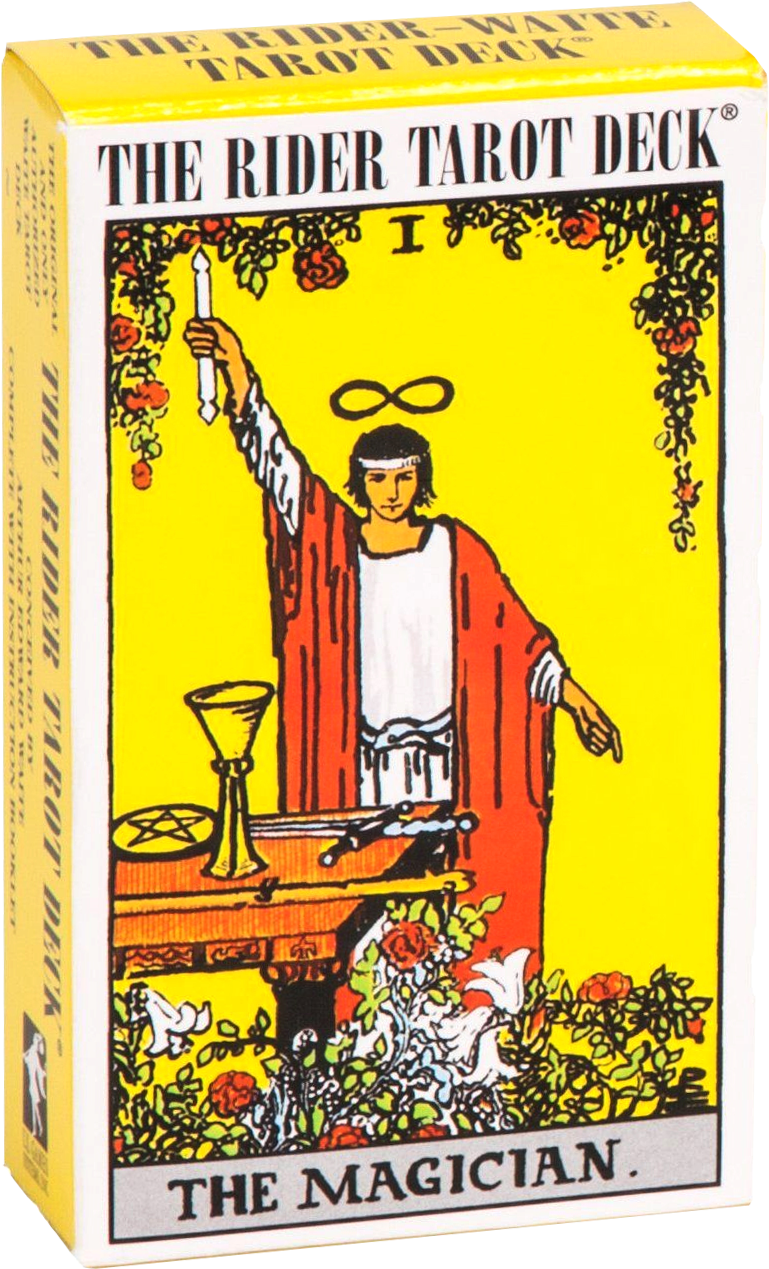
The deck’s power lies in its ability to mirror the human psyche. The Major Arcana, in particular, traces a journey from innocence (The Fool) to enlightenment (The World), mirroring the stages of personal growth. Meanwhile, the Minor Arcana—divided into suits of Wands, Cups, Swords, and Pentacles—reflects the rhythms of daily life, from passion (Wands) to emotions (Cups), intellect (Swords), and material reality (Pentacles). Together, they create a holistic language that speaks to every facet of existence.
Decoding the Minor Arcana: The Language of Everyday Life
The Minor Arcana cards are the workhorses of the Rider-Waite deck, offering nuanced insights into relationships, career, challenges, and opportunities. Each suit carries its own energetic signature:
- Wands (Fire): Creativity, ambition, and action. These cards often appear when you’re pursuing a passion or facing a crossroads in your career. For instance, the Three of Wands suggests foresight and expansion, while the Ten of Wands may indicate burnout or overcommitment.
- Cups (Water): Emotions, intuition, and relationships. Cups cards delve into the heart, from the joy of the Ace of Cups to the heartbreak of the Five of Cups. They’re essential for understanding love, family dynamics, and personal fulfillment.
- Swords (Air): Intellect, conflict, and clarity. Swords cards cut through illusion, revealing truths—sometimes harshly. The Ace of Swords represents a breakthrough in thinking, while the Three of Swords may signal betrayal or sorrow.
- Pentacles (Earth): Material world, stability, and practicality. These cards ground the deck in reality, from the Ace of Pentacles’ promise of new wealth to the Five of Pentacles’ depiction of financial struggle.
Understanding these suits is key to interpreting the Minor Arcana. For example, a reading dominated by Wands might suggest a period of high energy and change, while a spread filled with Cups could point to emotional healing or deepening relationships. The Minor Arcana’s strength lies in its ability to reflect the ebb and flow of life with precision and poetry.
Reversed Cards: When the Light Casts a Shadow
Reversed cards (or “upside-down” cards) add a layer of complexity to tarot readings, revealing blocked energy, internal conflicts, or delayed outcomes. While upright cards often suggest straightforward interpretations, reversed cards invite you to look beneath the surface. They don’t necessarily negate the card’s meaning but instead highlight its shadow side or internalized aspects.
For instance, the Lovers upright speaks of harmony and choices, while reversed, it may indicate disharmony, indecision, or a relationship built on superficiality. Similarly, the Chariot upright symbolizes determination and victory, but reversed, it could reflect a lack of direction or self-discipline. The key to interpreting reversals is context—the surrounding cards and the querent’s question play a crucial role.
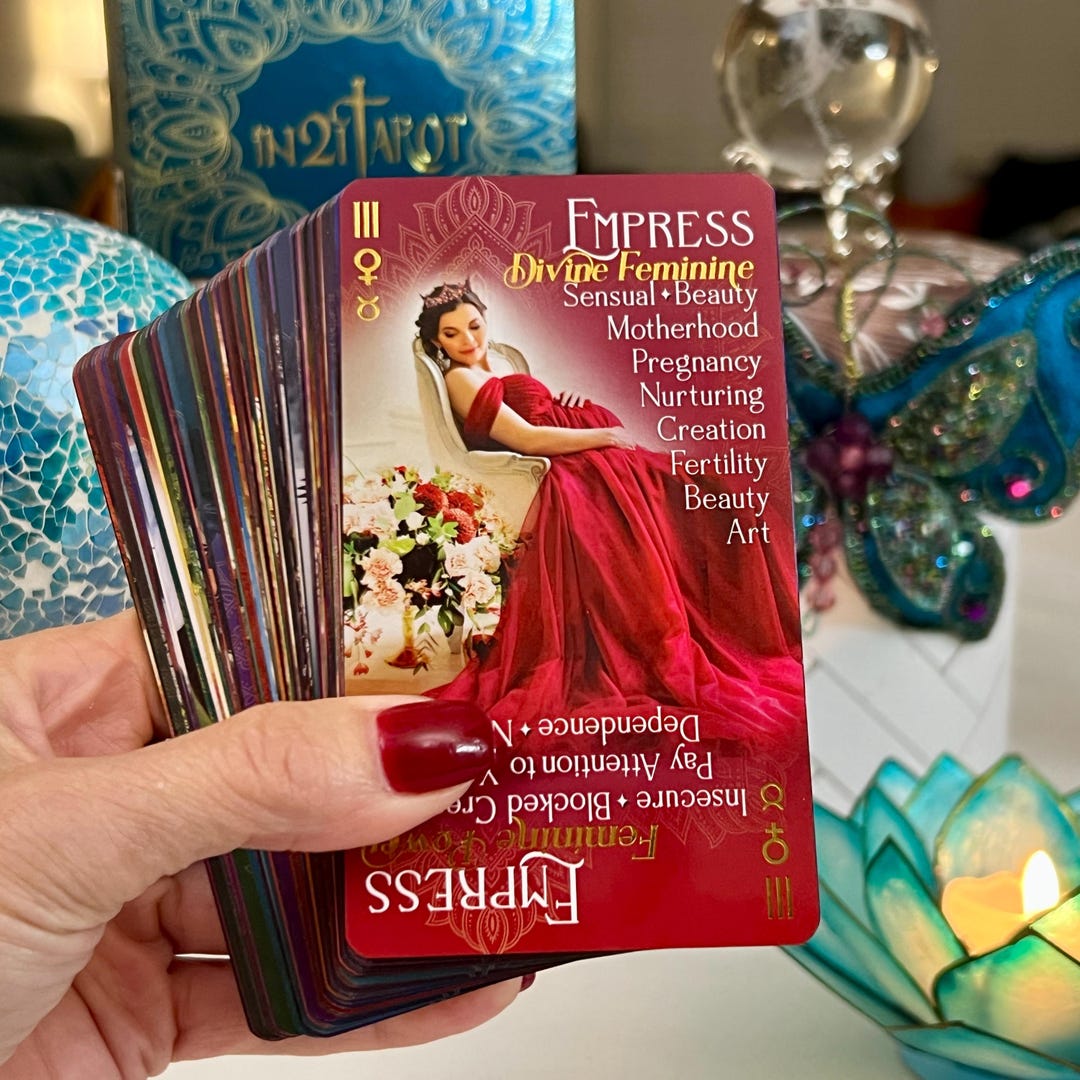
Reversals can also indicate:
- Internalization: The card’s energy is being experienced inwardly rather than externally. For example, the Hermit reversed might suggest loneliness or a reluctance to seek guidance.
- Blocked Potential: The card’s positive traits are stifled. The Strength reversed, for instance, could point to a struggle with self-control or compassion.
- Delayed Timing: The card’s message is coming later than expected. The Ten of Pentacles reversed might indicate a financial setback or a family issue that hasn’t yet resolved.
It’s important to approach reversals with an open mind. They’re not inherently “bad”—they’re simply highlighting areas that require attention, growth, or a shift in perspective. A reversed card can be a wake-up call, urging you to confront a truth you’ve been avoiding or to reassess a situation with greater honesty.
The Major Arcana Reversed: Archetypal Shadows and Growth
When Major Arcana cards appear reversed, their archetypal messages take on a more personal or challenging tone. These cards represent pivotal life themes, so their reversals often signal internal struggles or unresolved karmic lessons. For example:
- The Fool reversed: Fear of taking risks, recklessness without purpose, or a refusal to embrace change.
- The Tower reversed: Resistance to necessary upheaval, denial of truth, or a false sense of security.
- Judgment reversed: Self-doubt, ignoring your calling, or a delay in awakening to your true path.
The Major Arcana reversed can feel daunting, but they’re also opportunities for profound transformation. They ask you to confront the parts of yourself or your life that are out of alignment with your highest good. For instance, the Emperor reversed might reveal a lack of structure or authority in your life, prompting you to reclaim your power or establish healthier boundaries.
Interpreting these reversals requires intuition and self-reflection. Ask yourself: Where in my life am I resisting the lesson this card represents? or What shadow aspect of this archetype do I need to integrate? The answers often lie in the interplay between the card’s symbolism and your personal journey.
Practical Tips for Reading Reversed Cards
Reading reversed cards is as much an art as it is a science. Here are some strategies to deepen your understanding:
- Context is Everything: Always consider the surrounding cards. A reversed card in a spread of otherwise positive cards may have a milder interpretation than one surrounded by challenging cards.
- Look for Patterns: If multiple reversals appear in a reading, they may highlight a recurring theme, such as self-sabotage, avoidance, or delayed progress.
- Ask Open-Ended Questions: Instead of asking, “Will I get the job?” try, “What do I need to know about my career path right now?” This invites the deck to reveal deeper insights, including reversals.
- Trust Your Intuition: Reversals are highly subjective. If a card feels significant to you, even if it contradicts traditional meanings, honor that connection.
- Use Reversals as a Mirror: Reversed cards often reflect internal states. Ask, “What part of me is this card revealing?” rather than focusing solely on external events.
Remember, reversals are not about predicting doom—they’re about uncovering hidden layers of truth. They challenge you to look deeper, question assumptions, and embrace growth, even when it’s uncomfortable.
Conclusion: The Tarot as a Living Language
The Rider-Waite Tarot Deck is a masterpiece of symbolic storytelling, and its reversed cards add a layer of depth that transforms readings from static predictions into dynamic conversations with the subconscious. Whether you’re drawn to the deck’s rich imagery, its psychological insights, or its spiritual guidance, the key to mastery lies in practice, intuition, and an openness to the messages hidden in plain sight.
Reversed cards, in particular, remind us that wisdom often comes from the shadows. They invite us to confront our fears, reassess our paths, and find meaning in the unexpected. By learning to read both upright and reversed cards, you unlock the tarot’s full potential—not as a tool for fortune-telling, but as a mirror for self-discovery and a compass for navigating life’s complexities.
As you continue your tarot journey, let the Rider-Waite Deck be your guide. Explore its symbols, trust your intuition, and embrace the mysteries it reveals. In the dance between light and shadow, you’ll find not just answers, but a deeper connection to yourself and the world around you.
FAQ
What is the Rider-Waite Tarot Deck?
The Rider-Waite Tarot Deck is a popular tarot deck known for its detailed imagery and rich symbolism, created by A.E. Waite and Pamela Colman Smith in 1909.
What do reversed cards mean in tarot readings?
Reversed cards can indicate blocked energy, internal conflicts, or delayed outcomes, revealing deeper insights that may not be evident when the card is upright.
How do I interpret the Minor Arcana?
The Minor Arcana consists of four suits—Wands, Cups, Swords, and Pentacles—each representing different aspects of everyday life, emotions, and experiences.
Leave a Reply