Short Answer
Welcome to a fiery debate that has sparked countless discussions in gaming, fantasy lore, and even real-world magic systems. In this guide, we’ll explore the timeless rivalry between Rods and Wands—two iconic tools of power that, despite their differences, share a common purpose: to harness and unleash elemental fury. Whether you’re a spellcaster, a warrior, or simply a curious observer, understanding the nuances of these magical implements will deepen your appreciation for their unique roles in storytelling, gameplay, and symbolism. By the end, you’ll see why one might choose a rod over a wand (or vice versa) and how each reflects a different philosophy of power.
The Essence of Fire: What Defines a Rod or Wand?
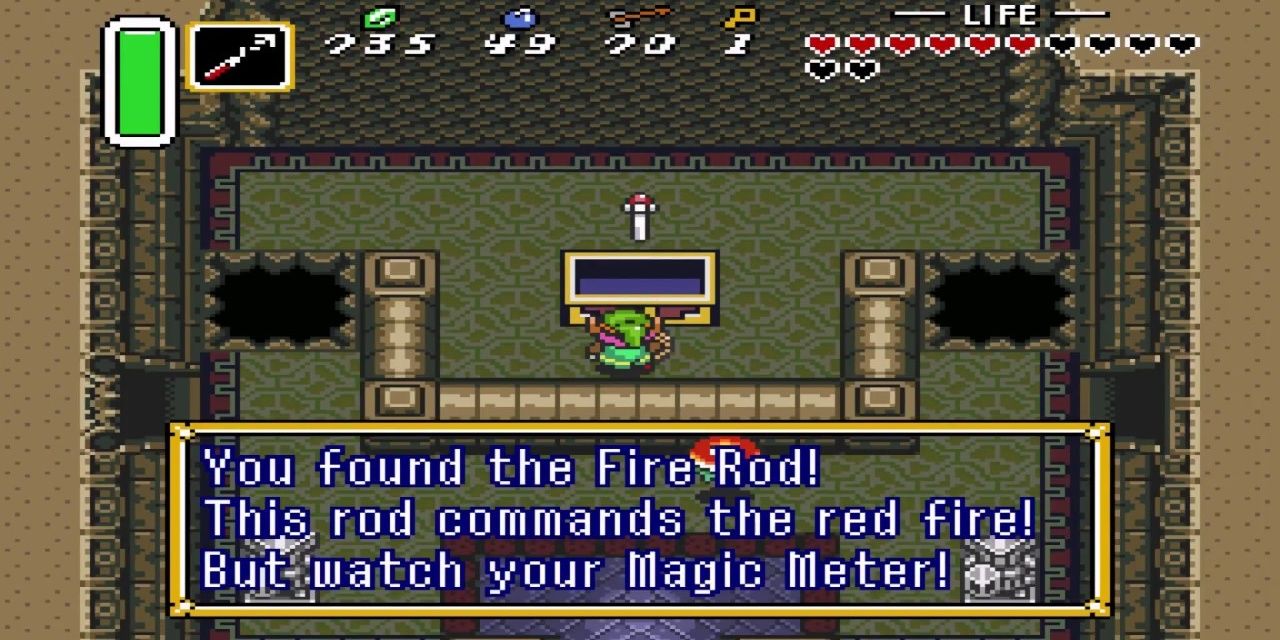
At their core, both rods and wands are conduits for magical energy, but their designs and functions reveal distinct philosophies. A rod is often depicted as a straight, elongated staff—sometimes segmented, sometimes adorned with runes—designed for precision and raw power. Think of the Fire Rod from *The Legend of Zelda*, a tool that channels flames with surgical efficiency, capable of both short-range bursts and devastating long-range blasts. Rods are the engineers of magic: they demand control, focus, and a deep understanding of the elements they manipulate.
A wand, on the other hand, is sleek, elegant, and often shorter, embodying versatility and spontaneity. Wands are the artists of magic—quick to adapt, easy to wield, and capable of a wide array of spells with minimal effort. In fantasy settings, wands are frequently associated with spellcasters who favor agility and improvisation, such as the wands in *Harry Potter* or the spellbooks of *The Elder Scrolls*. While a rod might specialize in one element, a wand can dance between fire, lightning, and even healing with equal finesse.

Design and Aesthetics: More Than Just Tools
The visual and tactile differences between rods and wands are more than cosmetic—they reflect the nature of the magic they channel. Rods, with their sturdy, often wooden or metallic construction, exude an aura of permanence and strength. The Fire Rod from *A Link Between Worlds*, for example, is a masterpiece of fantasy engineering, its intricate engravings hinting at the raw energy it contains. The design suggests a tool built for endurance, one that a warrior or a seasoned mage would wield in prolonged battles.
Wands, contrastingly, are often slender and lightweight, crafted from materials like holly, yew, or even dragon heartstring (as in *Harry Potter*). Their simplicity is deceptive; a wand’s power lies in its adaptability. The smooth, unadorned surface of a wand invites experimentation, allowing the caster to mold magic to their will. This duality is beautifully captured in the concept art of wands, where even the most basic designs hum with potential energy.
Functionality: Precision vs. Versatility
When it comes to performance, rods and wands cater to different playstyles and narrative roles. Rods excel in specialized, high-impact applications. Their design often allows for charged attacks, where the user can build up power over time for a more devastating effect. In *The Legend of Zelda* series, the Fire Rod’s projectile attacks are iconic—precise, controllable, and capable of igniting enemies from a distance. This makes rods ideal for players who prefer strategy and calculated risks over rapid-fire spellcasting.
Wands, meanwhile, thrive in dynamic, fast-paced environments. Their versatility means they can switch between offensive, defensive, and utility spells with ease. In *Dungeons & Dragons*, a wand of fireballs might allow a caster to unleash a burst of flames on a whim, while a rod of absorption could be used to counter enemy magic. Wands are the choice for those who value adaptability, whether in combat or in the improvisational art of spellcraft.
Consider the following scenarios:
- Rods: Perfect for a mage leading a siege, a warrior defending a fortress, or a scholar studying the properties of fire. The rod’s focus aligns with roles that demand mastery over a single element.
- Wands: Ideal for a rogue infiltrating a dungeon, a healer tending to allies, or a sorcerer experimenting with new spells. The wand’s flexibility suits those who thrive in unpredictable situations.
Symbolism and Cultural Significance
Beyond their mechanical differences, rods and wands carry deep symbolic weight in mythology, religion, and popular culture. The rod is often associated with authority and divine power. In ancient Egypt, the *was scepter* (a rod-like symbol) represented dominion over life and death. In Christianity, the *rod of Moses* symbolized both punishment and salvation. Even in modern fantasy, rods are wielded by figures of leadership—think Gandalf’s staff or Merlin’s enchanted rod.
Wands, conversely, are tied to creativity and intuition. The word “wand” itself evokes movement and fluidity, as in the act of waving a hand to cast a spell. In Celtic mythology, wands were used by druids to channel nature’s magic, while in alchemy, they represented the transformation of base materials into gold. Wands are the tools of dreamers, inventors, and rebels—those who see magic as an extension of their imagination.
This symbolic divide is reflected in how each tool is portrayed in media. Rods are often wielded by elders, warriors, or sages, while wands are favored by young prodigies, rogues, or artists. The choice between them can subtly influence a character’s arc—will they embrace the rigid discipline of the rod, or the boundless potential of the wand?
Choosing Your Path: Which Should You Wield?
The decision between a rod and a wand ultimately comes down to your playstyle, narrative preferences, and the role you wish to embody in your magical journey. Here’s a quick guide to help you decide:
| Factor | Rod | Wand |
|---|---|---|
| Combat Style | Prefer controlled, high-damage attacks. Great for tanks and siege specialists. | Thrive in fast-paced, adaptive combat. Ideal for rogues and spell-slingers. |
| Magic Specialization | Best for elemental mastery (e.g., fire, ice, lightning). | Excels in multi-element versatility (e.g., switching between fire, healing, and illusions). |
| Character Archetype | Warrior, scholar, or leader. | Rogue, artist, or innovator. |
| Narrative Role | Symbolizes discipline, tradition, and unyielding power. | Represents creativity, spontaneity, and boundless potential. |
Of course, there’s no rule saying you can’t appreciate both! Many fantasy settings feature characters who wield multiple magical implements, or even hybrid tools that blend the strengths of rods and wands. The key is to understand what each represents and how it aligns with your vision of magic.
Conclusion
Rods and wands are more than just in-game items or fantasy tropes—they are metaphors for the way we approach power, creativity, and control. A rod is the disciplined hand of a master, channeling fire with precision and purpose, while a wand is the playful spark of a dreamer, bending reality to their whim. Whether you’re drawn to the rod’s unyielding strength or the wand’s adaptable grace, both tools offer a unique path to mastery over the elements.
Next time you encounter a magical implement in a game, book, or film, take a moment to consider: Is this a rod, built for focus and firepower? Or a wand, designed for versatility and spontaneity? The answer might just reveal something deeper about the story—and about you.
FAQ
What is the primary difference between a rod and a wand?
A rod is typically associated with precision and raw power, while a wand embodies versatility and spontaneity in magic.
In what contexts are rods and wands used?
Rods are often used in serious, high-impact situations, whereas wands are favored for dynamic and adaptive spellcasting.

Leave a Reply