Short Answer
Ever felt like life is a cosmic ledger, keeping score of every give and take? The Six of Pentacles in tarot steps into this very dance of generosity, exchange, and balance. Whether you’re doling out kindness, receiving support, or nervously eyeing the scales, this card invites you to explore the art of giving, taking, and yes—even keeping score. In this guide, you’ll uncover the deeper meanings behind this card’s themes, learn how to navigate its energy in your life, and even playfully challenge your own habits around generosity and reciprocity. By the end, you’ll see the Six of Pentacles not just as a card of transactions, but as a mirror reflecting your relationship with abundance and fairness.
The Six of Pentacles: A Dance of Giving and Receiving
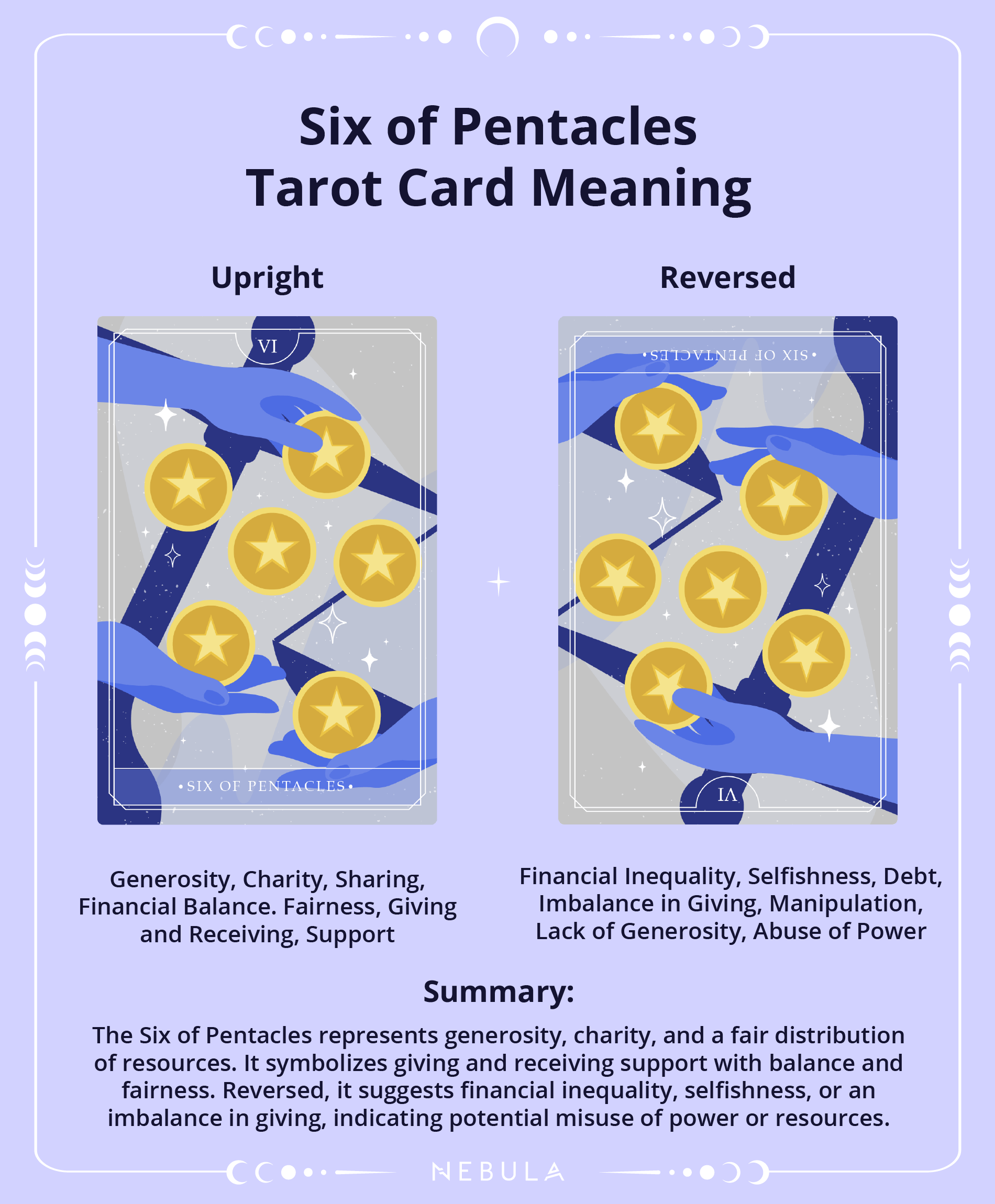
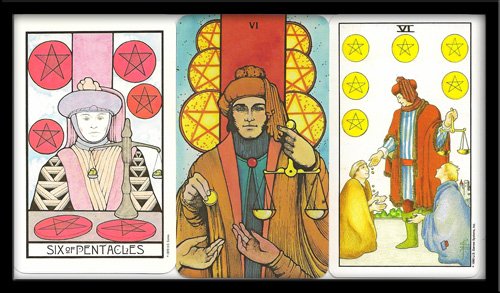
The Six of Pentacles is all about balance in exchange—whether it’s money, time, energy, or kindness. Picture a figure holding a set of scales, pouring coins into one hand while the other receives. This image isn’t just about literal wealth; it’s about the flow of resources and how we manage them. Are you the giver, the receiver, or the one carefully weighing what’s fair? The card asks you to reflect on your role in these exchanges. Are you giving freely, or do you keep a mental tally of every favor? Are you open to receiving, or do you resist help out of pride or fear? The Six of Pentacles reminds you that true abundance comes not from hoarding, but from participating in the natural rhythm of giving and taking.
In relationships, this card can highlight power dynamics. Are you the one always lending a hand, only to feel resentful later? Or do you struggle to accept help, even when you need it? The Six of Pentacles encourages you to find harmony. It’s okay to set boundaries, but it’s also okay to trust in the give-and-take of human connection. Sometimes, the healthiest relationships are those where both parties feel their contributions are valued, even if they aren’t perfectly equal.
Keeping Score: The Hidden Trap of Reciprocity
Here’s the tricky part: keeping score. While the Six of Pentacles celebrates fairness, it also warns against the pitfalls of transactional thinking. Have you ever done a favor and immediately thought, “Now they owe me one”? Or received help and felt the weight of obligation pressing down on you? This is the shadow side of the Six of Pentacles—the moment when generosity turns into a ledger, and relationships become transactions. The card nudges you to ask: Are you giving because you genuinely want to, or because you’re expecting something in return? Are you receiving with gratitude, or with the gnawing sense that you’ll have to “pay back” someday?
Keeping score can drain the joy out of giving and receiving. It turns simple acts of kindness into debts, and that’s not the energy the Six of Pentacles wants to cultivate. Instead, this card invites you to embrace a mindset of abundance. When you give without the expectation of return, you create space for more good to flow into your life. Similarly, when you receive without guilt or obligation, you allow others the joy of giving. The Six of Pentacles isn’t about tallying up favors; it’s about trusting that what goes around comes around in its own time.
Poses: The Power of Playful Generosity
What if generosity could be fun? The Six of Pentacles encourages you to approach giving and receiving with a sense of playfulness. Think of it like a game where the rules are simple: share what you can, accept what you’re given, and trust the process. Maybe that means surprising a friend with an unexpected gift, or allowing yourself to enjoy a favor without overanalyzing it. Playful generosity breaks the cycle of stress and obligation, replacing it with lightness and joy. It’s about giving because it feels good, not because you’re keeping score.
Try this: For one week, perform a small act of kindness without telling anyone. It could be paying for a stranger’s coffee, leaving a kind note for a coworker, or simply listening to a friend without offering unsolicited advice. Notice how it feels to give freely, without the expectation of recognition or return. Then, practice receiving with the same openness. Let someone treat you to lunch or offer you a helping hand, and simply say “thank you” without downplaying it or feeling indebted. The Six of Pentacles reminds you that generosity isn’t a duty—it’s a gift to yourself and others.
The Challenge: Breaking Free from the Ledger Mindset
Ready to put the Six of Pentacles into action? Here’s a challenge for you: For the next seven days, keep a “generosity journal.” Each day, write down one time you gave something—whether it was your time, money, or emotional support—and one time you received something. Don’t judge whether the exchange felt “fair” or “equal.” Just observe. At the end of the week, read through your entries. Do you notice any patterns? Are you giving more than you’re receiving, or vice versa? Are there moments where you felt resistance to either giving or receiving?
This challenge isn’t about fixing anything; it’s about awareness. The Six of Pentacles is here to show you where you might be stuck in a cycle of keeping score, whether you’re the one always giving or the one always taking. Once you see the patterns, you can start to shift them. Maybe you’ll realize you need to practice receiving more, or perhaps you’ll see that you’re giving out of obligation rather than joy. Either way, the Six of Pentacles is your guide to finding balance in the dance of exchange.
Conclusion
The Six of Pentacles is more than just a card about money or favors—it’s a lesson in the art of exchange. It asks you to examine your role in the give-and-take of life, to let go of the need to keep score, and to embrace a mindset of abundance. Whether you’re the giver, the receiver, or the one carefully balancing the scales, this card invites you to find joy in the flow of generosity. So next time you’re faced with a decision about giving or receiving, ask yourself: Am I doing this out of love, or out of obligation? Am I keeping score, or am I trusting in the natural rhythm of life? The Six of Pentacles reminds you that true wealth isn’t found in hoarding, but in the beautiful, messy, and often playful dance of sharing what you have with the world.
FAQ
What does the Six of Pentacles symbolize?
The Six of Pentacles symbolizes balance in giving and receiving, generosity, and the importance of not keeping score in relationships.
How can the Six of Pentacles guide my relationships?
It encourages you to reflect on your role in exchanges, promotes healthy boundaries, and emphasizes the joy of giving and receiving without expectation.
Leave a Reply