Short Answer
In this guide, you’ll explore the profound difference between solitude and loneliness through the lens of tarot. You’ll discover how tarot can reframe isolation as a path to liberation, offering insights that promise a shift in perspective. Whether you’re seeking clarity, empowerment, or simply a new way to understand your emotions, this exploration will guide you toward embracing solitude as a transformative experience rather than a burden. By the end, you’ll see solitude not as a void to fill but as a sacred space for growth.
What Is Solitude Tarot?
Solitude tarot is a practice that uses tarot cards to explore the emotional and psychological dimensions of being alone. Unlike traditional tarot readings that focus on external circumstances, solitude tarot delves into the inner landscape of isolation, helping you uncover hidden strengths, fears, and opportunities. The cards act as mirrors, reflecting your relationship with aloneness—whether it feels like a prison or a sanctuary.
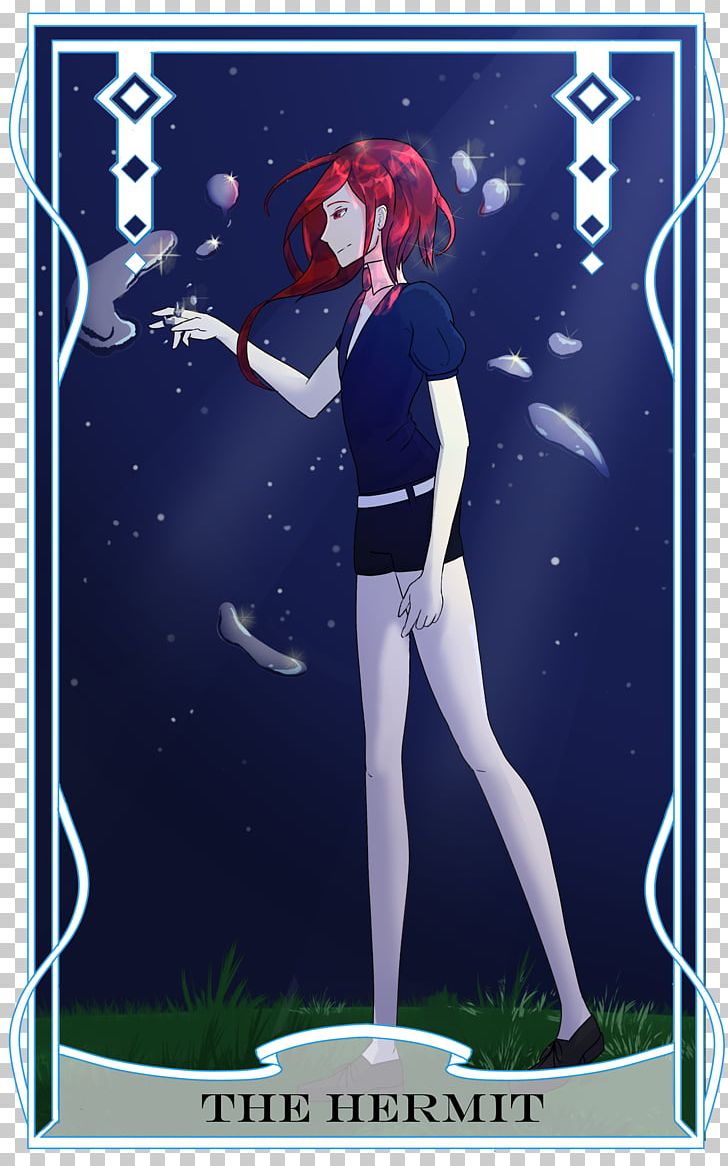
At its core, solitude tarot challenges the stigma around being alone. It frames solitude not as a lack of connection but as a deliberate choice or circumstance that holds potential for self-discovery. The imagery in tarot decks often emphasizes introspection, with cards like The Hermit or The Star serving as powerful symbols of inner wisdom and hope. By engaging with these symbols, you can begin to see solitude as a fertile ground for creativity, healing, and personal evolution.
The Difference Between Loneliness and Solitude
Loneliness is often described as a painful ache for connection, a feeling of emptiness that arises when your social needs aren’t met. It can feel like isolation is imposed upon you, leaving you vulnerable to despair. In contrast, solitude is a conscious embrace of being alone, a state where you feel at peace with your own company. It’s not about lacking people but about finding richness in your own presence.
Tarot can help you distinguish between these two states by highlighting the underlying emotions. For example, the Three of Cups might suggest a longing for social connection (loneliness), while The Hermit could indicate a desire for solitude as a path to enlightenment. By recognizing these nuances, you can shift your perspective from one of lack to one of abundance—even in moments of aloneness.
How Tarot Reframes Solitude as Liberation
Tarot has a unique way of transforming perceived negatives into positives. When you draw cards in the context of solitude, you’re invited to reinterpret your experience. For instance, the Eight of Swords might traditionally symbolize feeling trapped, but in solitude, it could represent the boundaries you’ve set to protect your energy. The cards become tools for empowerment, helping you see that solitude is not a cage but a carefully constructed space for growth.
One of the most liberating aspects of solitude tarot is its ability to reveal hidden strengths. Cards like Strength or The Chariot emphasize inner resilience and determination, reminding you that you have the power to navigate your emotions without external validation. By focusing on these cards, you can cultivate a sense of agency, turning solitude from a passive experience into an active journey of self-mastery.
Key Tarot Cards for Understanding Solitude
Certain tarot cards resonate deeply with the theme of solitude, each offering a unique perspective on being alone. Here are some of the most significant:
- The Hermit (Major Arcana): This card embodies the wisdom of solitude. It represents introspection, soul-searching, and the pursuit of inner truth. The Hermit’s lantern symbolizes the light you carry within, guiding you through dark times.
- The Star (Major Arcana): A card of hope and inspiration, The Star suggests that solitude can be a time of renewal. It encourages you to trust in the universe and your own intuition, even when you feel disconnected from others.
- Four of Cups (Minor Arcana): Often associated with apathy or disconnection, this card can also signify a moment of pause—a necessary withdrawal to reassess your priorities. It’s a reminder that solitude can be a choice, not a punishment.
- Two of Swords (Minor Arcana): This card represents indecision and the need for clarity. In solitude, it can symbolize the mental space you’ve created to weigh your options without external noise.
By familiarizing yourself with these cards, you can deepen your understanding of solitude and its role in your life. Each card offers a different layer of insight, whether it’s about patience, self-trust, or the beauty of stillness.
Practical Ways to Use Tarot for Solitude Reflection
Incorporating tarot into your solitude practice can be a deeply rewarding experience. Here are some practical steps to get started:
- Daily Draw: Pull a single card each morning to set an intention for your day. Reflect on how the card’s message relates to your current state of solitude. Is it encouraging you to embrace stillness or urging you to take action?
- Journaling: After a tarot reading, write about your impressions. How did the cards make you feel? Did they reveal any hidden emotions or patterns? Journaling can help you track your journey and recognize progress over time.
- Card Spreads: Use a spread designed for solitude, such as a three-card layout representing past, present, and future. This can help you see how your relationship with solitude has evolved and where it might be headed.
- Meditation: Place a card that resonates with your current solitude experience in front of you. Close your eyes and visualize the card’s imagery, allowing it to guide your meditation. Focus on the emotions it evokes and what they might be telling you.
These practices can transform tarot from a simple divination tool into a companion on your journey through solitude. The more you engage with the cards, the more they’ll reveal about your inner world.

Overcoming the Stigma of Solitude
Society often equates being alone with failure or sadness, but solitude tarot challenges this narrative. It encourages you to see aloneness as a valid and even sacred state. The key is to reframe your thoughts: instead of asking, “Why am I alone?” ask, “What can I learn from this time?”
Tarot can be a powerful ally in this reframing process. Cards like The World or Judgment remind you that solitude is not an endpoint but a chapter in a larger story. They encourage you to see the bigger picture, where even the most isolating moments contribute to your growth. By embracing this perspective, you can shift from feeling like a victim of circumstance to becoming the author of your own journey.
Conclusion
Solitude tarot offers a transformative way to view aloneness—not as a void to fear, but as a space brimming with potential. Through the cards, you can uncover the hidden strengths, insights, and opportunities that solitude brings. Whether you’re navigating a period of isolation or simply exploring the concept of being alone, tarot provides a language to articulate your emotions and a framework to reinterpret them.
By engaging with solitude tarot, you’re not just passing time; you’re actively shaping your experience. The cards become a bridge between isolation and liberation, helping you see that solitude is not the absence of connection but the presence of something deeper—yourself. As you continue to explore this practice, remember that every card drawn is a step toward understanding, and every moment of solitude is a step toward growth.
FAQ
What is solitude tarot?
Solitude tarot is a practice that utilizes tarot cards to explore the emotional and psychological dimensions of being alone, encouraging self-discovery and reframing solitude as a source of empowerment.
How can tarot help differentiate between loneliness and solitude?
Tarot can highlight underlying emotions, allowing individuals to recognize loneliness as a longing for connection and solitude as a conscious choice for introspection and growth.
What are some key tarot cards that relate to solitude?
Key tarot cards include The Hermit, which symbolizes introspection; The Star, representing hope; and the Four of Cups, which signifies a necessary pause for reflection.
Leave a Reply