Short Answer
Spring is a season of renewal, but what happens when that renewal stings a little? This guide explores the deeper layers of spring tarot readings, where growth often comes with discomfort. You’ll learn how to pose playful yet probing questions, recognize challenges in your spread, and embrace the transformative power of this season. Whether you’re a seasoned reader or just starting, these insights will help you navigate the bittersweet side of rebirth.
Why Spring Tarot Feels Like a Double-Edged Sword
Spring tarot readings often reflect the season’s duality—vibrant blooms and lingering frost, warmth and unexpected storms. The cards may highlight areas where you’re being nudged to change, even if the process feels uncomfortable. For example, The Tower might appear, signaling upheaval, while The Empress promises growth. This contrast isn’t a contradiction; it’s a reminder that renewal rarely happens without friction. Ask yourself: Where am I resisting change, even when I know it’s necessary?
Posing Playful (Yet Powerful) Questions
Tarot thrives on curiosity, so craft questions that dance between lighthearted and profound. Instead of asking, “Will I succeed this spring?” try, “What’s one small step I can take to bloom this season, even if it feels awkward at first?” This approach invites the cards to reveal hidden layers. For instance, if you pull The Eight of Swords, the question might shift to: “What mental barriers am I creating that keep me from moving forward?” Playfulness disarms resistance, making the reading more insightful.
Another tactic is to frame challenges as riddles. Ask, “What’s the lesson hiding in this discomfort?” or “How can I turn this spring cleaning into a game?” The cards respond better to questions that feel like a conversation than an interrogation. For example, The Five of Pentacles might suggest financial stress, but the playful twist could be: “Where can I find unexpected support this season?”
Recognizing the Challenges in Your Spread
Spring tarot often highlights obstacles disguised as opportunities. The Three of Swords, for instance, might show up when you’re clinging to old habits. Instead of panicking, ask: “What am I being asked to release so I can grow?” Even difficult cards like The Ten of Swords can be reframed—this card often signals the end of a cycle, making way for something new. The key is to look for the hidden invitation in the challenge.
Pay attention to recurring themes. If Wands appear frequently, you might be avoiding passion or action. Cups could indicate emotional resistance to vulnerability. Pentacles might reveal a need to ground yourself before leaping into change. The cards don’t just predict the future; they map your internal landscape. When a challenge arises in your spread, dig deeper: What’s the root of this resistance?

Embracing the “Hurts a Little” Aspect of Renewal
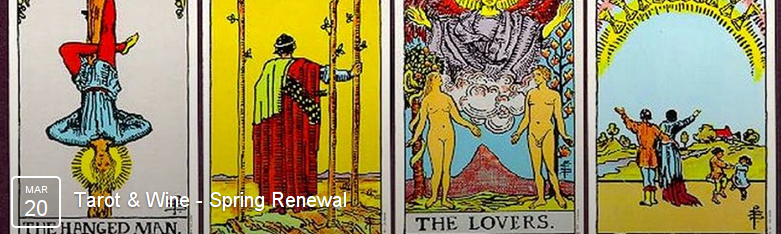
Spring’s renewal isn’t always gentle. Pruning a plant stings, but it’s necessary for growth. Similarly, tarot might show you where you’re being “pruned” this season. The Hanged Man, for example, suggests surrendering control, which can feel painful but is ultimately liberating. The lesson? Discomfort is often the price of progress.
To work with this energy, try a ritual. Light a candle and place a tarot card representing your challenge on your altar. Ask aloud: “What can I learn from this discomfort?” Then, pull a second card for guidance. This practice turns passive reading into an active dialogue with your intuition. Remember, the cards aren’t here to sugarcoat— they’re here to help you grow, even when it hurts.
Practical Tips for Spring Tarot Readings
Set the mood with spring elements: fresh flowers, green candles, or even a bowl of lemons to symbolize vitality. Shuffle your deck while focusing on a specific area of your life—career, relationships, or personal growth. When you pull cards, note any physical sensations (tingling, warmth) as these can indicate emotional triggers.
For a deeper dive, try a “spring cleaning” spread with five positions: Past Roots, Present Growth, Hidden Challenges, Unexpected Support, and Future Bloom. This structure mirrors the season’s themes and keeps your reading focused. If a card feels particularly harsh, ask the deck for clarification. Sometimes, the message softens when you revisit it with fresh eyes.
Conclusion
Spring tarot is a mirror for life’s messy, beautiful transformations. It doesn’t promise an easy ride, but it does promise growth—if you’re willing to sit with the discomfort. By posing playful questions, recognizing challenges as teachers, and embracing the “hurts a little” moments, you’ll uncover deeper truths about your path. The cards are your guide, but the real magic happens when you’re brave enough to listen, even when the message stings. This season, let renewal be your adventure, not your obligation.
FAQ
What is spring tarot?
Spring tarot refers to tarot readings focused on themes of renewal and growth, particularly during the spring season, acknowledging that transformation often comes with discomfort.
How can I use tarot for personal growth in spring?
You can use tarot for personal growth in spring by asking playful questions about your challenges and embracing the discomfort that comes with change.
Leave a Reply